MENA’s Sourcing Shifts in Industrial Procurement

Introduction: Shifting Procurement Trends
The Middle East and North Africa (MENA) are on the cusp of an industrial revolution, driven by ambitious initiatives like Saudi Vision 2030. As regional economies strive to modernize, procurement managers face the challenge of sourcing technologies that meet both economic and regulatory demands.
MENA’s Industrial Ambitions and China’s Role
China’s role as a major supplier for automation technology in the MENA region is expanding rapidly. Statistics from the International Federation of Robotics (IFR) showed a significant 15% increase in robot installations in the MENA region last year alone, many sourced from Chinese manufacturers.
This trend isn’t just about cost-efficiency. MENA buyers are attracted to the comprehensive industrial solutions that cater to the needs for scale and technological sophistication offered by Chinese firms like Dongji Intelligent Equipment. This firm, for instance, exemplifies the synergy between technological capability and strategic pricing that is appealing to industrial managers in the region.
Compliance and Localization Pressure
Beyond cost and capability, localization requirements such as the Saudi Standards, Metrology and Quality Organization (SASO) and the G-Mark certification, ensure that imported technologies comply with regional safety and performance benchmarks—critical factors for MENA buyers.
Practical Considerations in Sourcing
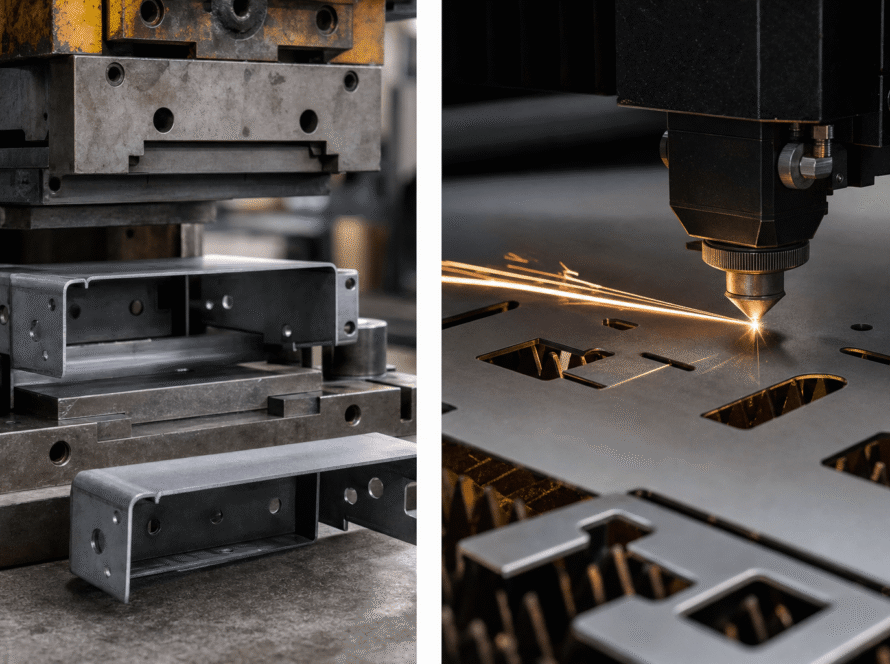
Sourcing from China presents unique logistical challenges, from selecting appropriate shipping partners to understanding the nuances of international trade regulations. Yet, the benefits often outweigh these difficulties as access to advanced technologies like laser cutting and smart vending machines becomes paramount.
- Standards and Certifications: Compliance with ISO and IEC standards remains a priority, ensuring quality and interoperability.
- Technological Advancements: Investments in industrial lockers and self-order kiosks are steadily increasing due to their efficiency and user-friendly design.
Conclusion: A Unified Strategy for Growth
As MENA countries forge ahead with their modernization agendas, the alignment of procurement strategies with technological advancements and compliance requirements will be vital. By navigating these carefully, industrial buyers can harness the full potential of automation in transforming their operational landscapes.