Why Sheet Metal Tolerance Matters
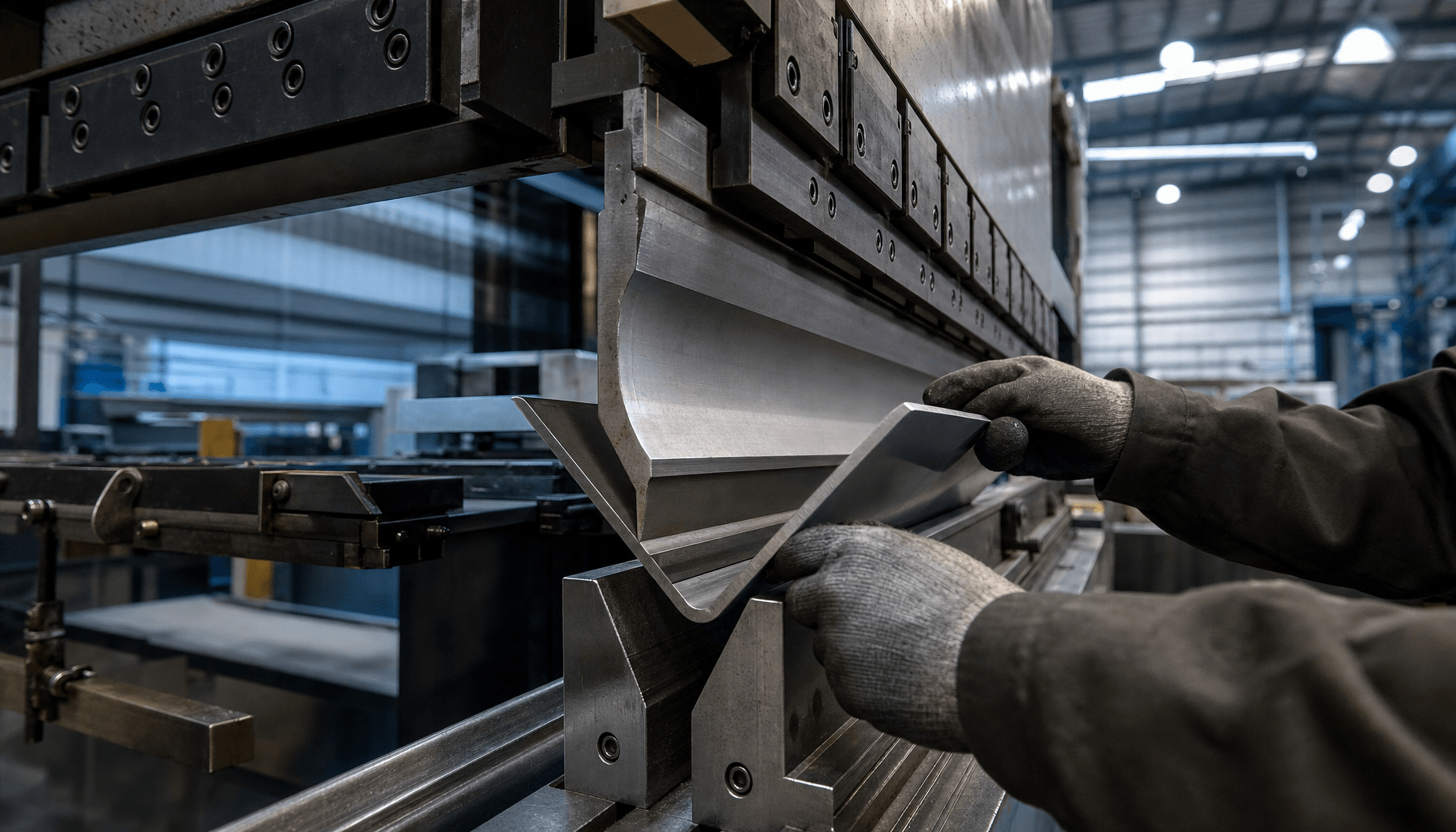
Understanding Tolerance in CNC Bending
In the realm of sheet metal manufacturing, precision is more than just a buzzword—it’s a necessity. CNC bending, a common process in the fabrication of metal components, relies on tight tolerance levels to ensure parts meet strict specifications. But why do these tolerances matter, especially when considering variances like ±0.1mm versus ±0.3mm?
The Real Cost of Precision
Consider this: for Original Equipment Manufacturers (OEMs), even the smallest deviation in part dimensions can cascade through an entire production line, leading to fitting issues, alignment problems, and ultimately, an increase in waste and rework. In industries where precision in enclosures and fittings is crucial, such as in the assembly of cabinet enclosures, these errors are not just tolerable—they’re costly.
According to ASTM standards, maintaining tighter tolerances ensures the reliability and performance of metal components. A deviation from these standards can result in components that do not fit together, leading to increased expenses for adjustments and replacements.
Case Study: Dongji Intelligent Equipment
Take Dongji Intelligent Equipment as an example in this sphere. Located in China’s Greater Bay Area, they illustrate the broader trend of manufacturers prioritizing precise bending techniques. Their use of CNC press brakes demonstrates how high-standard processes yield high-quality products that meet stringent OEM requirements, avoiding the pitfalls of costly imprecision.
Standards and Specifications: A Procurement Manager’s Guide
When procuring sheet metal components, understanding the importance of standards like ISO 2768 – a guideline for manufacturing tolerances – becomes key. It is the procurement manager’s role to ensure that suppliers adhere to these standards to mitigate risks associated with tolerance deviations. By doing so, they secure consistency in the manufacturing process, minimizing the need for expensive rework and potential project delays.
In conclusion, the impact of CNC bending tolerance extends far beyond the manufacturing floor. Precision in sheet metal manufacturing translates to reliability and efficiency, reducing long-term costs and enhancing product quality. For procurement managers, grasping these nuances is essential in crafting a competitive production strategy.
Industry References
Version 1.0 — Published June 5, 2026 · Editorial review window: 90 days