![vending machine innovation - [object Object] | Dongji Intelligent Equipment](https://sheet-metal-factory.com/wp-content/uploads/2026/06/dongji-carvana-just-took-1781816664227.png)
📰 Source Attribution:
Original reporting by Google News, published June 18, 2026.
Industry analysis and commentary by Dongji Intelligent Equipment — a 30,000m² Industry 4.0 sheet metal factory in China’s Greater Bay Area.
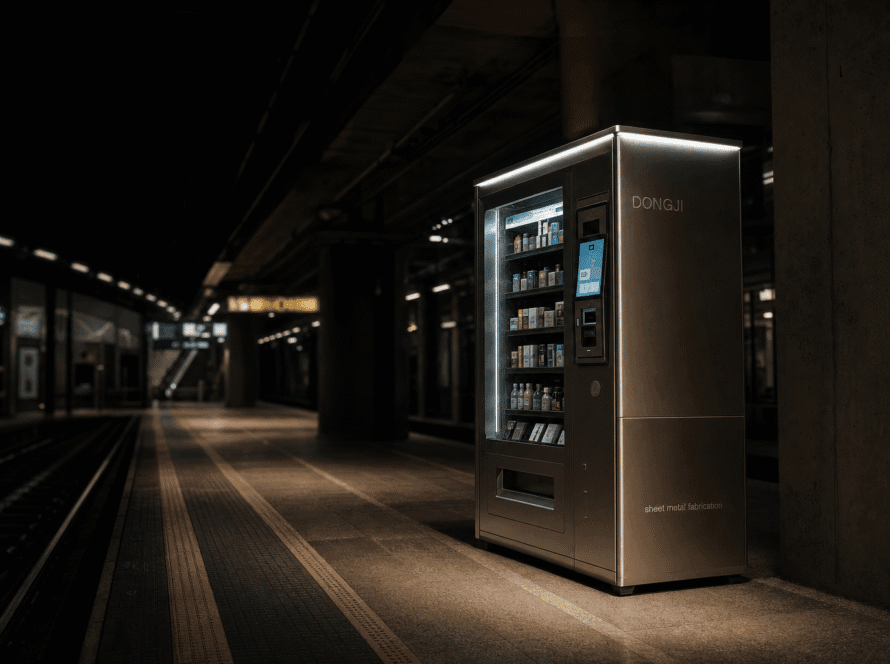
Carvana’s move beyond traditional vending machines, as mentioned by Autoweek, echoes a broader trend of innovation in the vending industry. But here’s the thing — while consumer-facing advancements make headlines, the real story for B2B procurement managers is how these shifts affect sourcing strategies and manufacturing partnerships.
The Underlying Industry Signal
The global vending machine market is projected to hit $33.6 billion by 2030, growing at a 10.4% CAGR. This surge in demand aligns with a pivot towards smarter, more automated solutions. If Carvana’s expansion is anything to go by, expect similar moves from other players, pushing a need for more sophisticated manufacturing capabilities.
Precision and Quality: The Real Differentiators
Look, the reality is, not all manufacturing plants can handle the precision these new machines require. At Dongji, we offer ±0.1mm precision, setting a benchmark well above the industry average of ±0.2mm. This level of detail isn’t just a bragging point; it’s essential for maintaining the integrity and functionality of sophisticated vending systems.
According to the World Steel Association, the global base metals market is projected to exceed $1 trillion by 2034. Such growth demands higher quality standards and certifications, which is where Dongji’s extensive list of certifications, including ISO9001, CE, and UL, become critical. This is especially true when you consider that 60% of Chinese manufacturers on Alibaba are actually trading companies, often lacking genuine quality assurance.
How This Affects Procurement Managers This Quarter
For procurement managers, this innovation wave means reassessing suppliers. In 15 years of OEM export, I’ve learned that timing and quality are everything. Dongji offers lead times of 14-21 days for prototyping and 25-45 days for mass production, compared to the 30-45 day and 60-90 day norms of trading companies.
Decision Time: What This Means For You
| Scenario | Old Approach | Dongji Approach | Bottom-line Impact |
|---|---|---|---|
| Need rapid prototyping | Wait 30-45 days | Get it in 14-21 days | Speed to market advantage |
| Demand for high precision | Accept ±0.2mm | Achieve ±0.1mm | Superior product quality |
| Require full certification | Risk relabeled certs | Verified ISO9001/CE/UL | Authentic assurance |
| Traceability issues | Fake batch numbers | ERP+MES traceability | Genuine accountability |
Frequently Asked Questions
Q1: Why is precision so critical in vending machine manufacturing?
Precision ensures that components fit perfectly and function correctly, reducing defects and returns.
Q2: How does Dongji ensure quality and reliability in its products?
We use an ERP+MES system for full traceability and conduct 100% inspections on all products.
Q3: What makes Dongji a better choice over trading companies?
Our direct manufacturing capabilities, rapid lead times, and lack of middlemen result in cost savings and quality assurance.
Further Reading
For related analysis, see our 2026-2030 Industry Outlook,
or explore manufacturing capabilities reference.