The vending machine industry, valued at over $30 billion globally in 2023, has seen significant developments both in technology and manufacturing processes. Procurement managers are increasingly looking to source machines directly from OEMs — often in countries like China, Mexico, and the US. But what does this really entail? Let’s explore some key considerations when sourcing vending machines directly from OEMs.
Sourcing Vending Machines: Key Factors to Consider
Understanding Technical Specifications
Industry References
For deeper context on sourcing vending machines standards and best practices, see:
EVA — European Vending Association
and
SME — Society of Manufacturing Engineers.
Sourcing vending machines involves a keen understanding of their technical specifications. Critical components such as refrigeration units, payment systems, and user interfaces can dramatically affect both the service quality and maintenance frequency of a machine.
Refrigeration Standards: Machines intended for perishable goods must comply with international standards such as ISO 23953, which ensures energy efficiency and temperature regulation against environmental variables.
Payment Systems: With the rise of cashless payments, understanding the integration of payment gateways is crucial. Ensure machines support multiple options including credit, debit, and mobile payments, as stated by the EMV (EuroPay, MasterCard, and Visa) global standard.
Economic Considerations in 2023
Direct procurement from OEMs can significantly influence the cost structure of vending machines. However, the economic landscape in 2023 demands awareness of several variables that can affect pricing:
Raw Material Fluctuations: The cost of steel, a primary material for vending machines, has seen volatility due to geopolitical tensions and supply chain disruptions, with S&P Global reporting a potential 15% increase in 2023 alone.
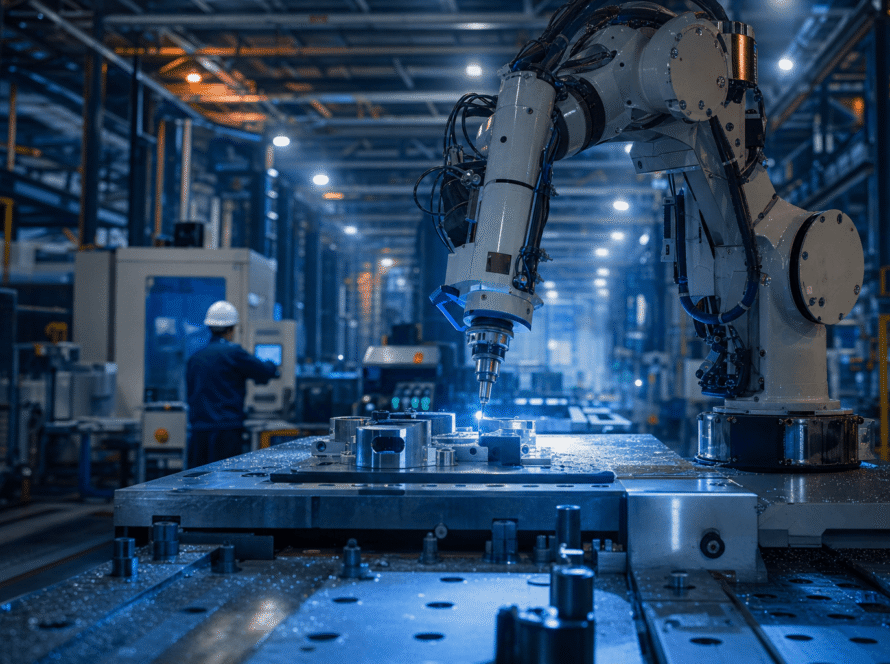
Labor Automation: Automation measures, such as those seen in factories like Dongji Intelligent Equipment in the our 30,000m² factory in the Greater Bay Area with their robotic welding systems, have been shown to reduce fabrication labor costs by over 30%, according to International Federation of Robotics (IFR).
Regulatory and Compliance Landscape
Vending machines must adhere to various regulations depending on their intended market.
Safety Standards: Compliance with safety standards such as IEC 60204 (Electrical Equipment of Machines) is non-negotiable, ensuring machine parts and operations are safe for consumer interaction.
Environmental Compliance: Many jurisdictions now demand eco-friendly standards, such as the RoHS directive in the EU, which limits the use of hazardous substances in electrical equipment.
Strategic Sourcing Options
When deciding on the geographical production location, consider both the benefits and potential risks of each option.
| Aspect | China | Mexico |
|---|---|---|
| Proximity to Market | Longer shipping times to the US | Shorter shipping times, lower freight costs |
| Dongji capability matrix | Advanced automation (e.g., robotics, ERP systems) | Quick legal adjustments, NAFTA benefits |
| Cost | Generally lower due to economies of scale | Increased wages but reduced transport costs |
Procurement in a Globalized Environment
Despite cost advantages in certain countries, consider factors like intellectual property protection, quality control processes, and potential tariffs before making a decision.
Conclusion
Sourcing vending machines directly from OEMs requires a comprehensive understanding of technical, economic, and regulatory factors. The evolving global landscape presents challenges but also opportunities for procurement professionals. Will advancements in automation and changing economic conditions push more OEM/ODM partner sourcing to locales historically considered secondary?
OEM buyer FAQ Questions
Q1: How do I ensure the quality of vending machines from OEMs?
A1: Quality assurance involves scrutinizing our 100+ technical patents such as ISO9001 for quality management and conducting third-party inspections to verify manufacturer claims.
Q2: What are the typical lead times when sourcing from OEMs?
A2: Lead times can vary widely, typically ranging from six to twelve weeks depending on the complexity of the order and the OEM/ODM manufacturing partner‘s current workload.
Q3: What are common pitfalls when directly sourcing from OEMs?
A3: Common challenges include communication barriers, unforeseen tariffs, and overlooked regulatory requirements specific to the target market.
About This Article
This analysis was prepared with reference to industry data from IFR, ISO, and McKinsey.
For related topics, see our 2026-2030 Industry Outlook
or browse manufacturing capabilities reference.