China vs Mexico: Industrial Procurement Trends
Understanding the Sourcing Dilemma: China vs Mexico
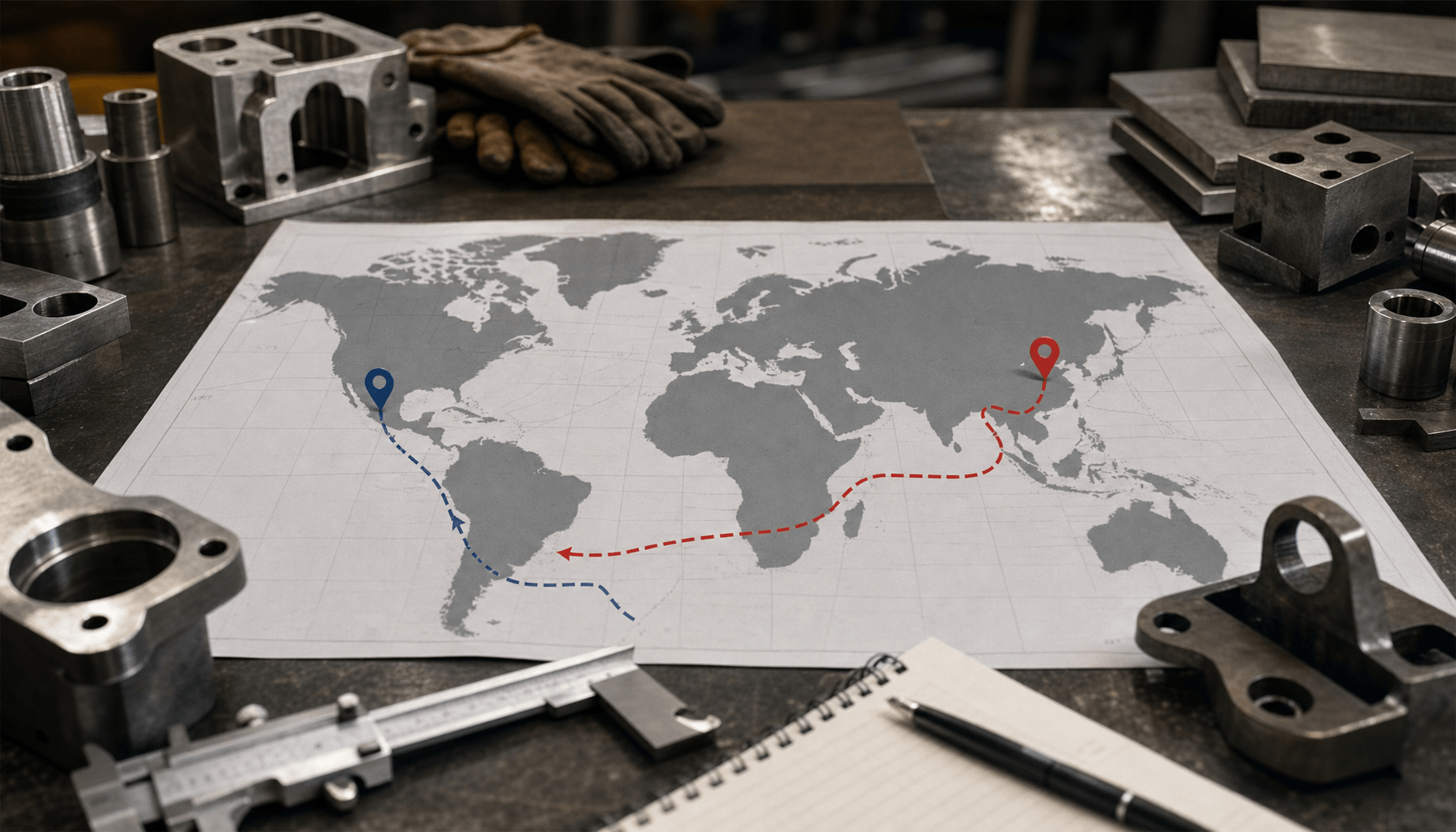
In recent years, procurement managers face a significant challenge: balancing cost efficiency and supply chain reliability. For industries reliant on sheet metal, two prominent players have emerged—China and Mexico. Each offers distinct advantages that cater to different strategic priorities.
Learn more about our our manufacturing process and how we support B2B OEM/ODM projects.
China, with its vast manufacturing infrastructure, offers lower base costs for sheet metal. Factories are equipped with advanced technologies such as laser cutting and robotic welding, facilitating mass production at competitive prices. In contrast, Mexico provides the benefit of proximity to North America and lower duties, making it an attractive option for companies looking to cut down on tariff costs.
Cost Dynamics: Where China Wins
The numbers speak for themselves. According to the International Federation of Robotics (IFR), China’s investment in robotics and automation, including the use of CNC bending and laser cutting equipment, allows for streamlined processes that can drastically cut production costs. A company like Dongji Intelligent Equipment exemplifies how a robust, technologically advanced approach can lead to lower base costs, making it a viable choice for high-volume orders.
Furthermore, the ASTM standards adhered to by Chinese manufacturers ensure a consistent quality output, despite the lower price tags.
Logistical Advantages: Mexico’s Strong Suit
However, the cost efficiency isn’t the only metric procurement managers are examining. The strategic location of Mexico offers noteworthy logistical advantages. As per the North American Industry Classification System (NAICS), numerous American manufacturers are leaning towards Mexico for its lower shipping costs and reduced import duties. This trend has been fuelled by the United States-Mexico-Canada Agreement (USMCA), which further lowers tariffs between these countries.
For companies prioritizing a nearshore model, this translates into faster delivery times and more responsive supply chain management.
Trade-offs and Strategic Considerations
Ultimately, the decision between sourcing from China or Mexico extends beyond mere cost analysis. Companies must consider the broader economic implications, such as geopolitical risks and environmental standards compliance. According to the Environmental Protection Agency (EPA), manufacturers need to align with strict regulations, influencing the choice of sourcing partners.
China’s commitment to smart manufacturing continues to entice firms looking for advanced technological solutions. Conversely, Mexico’s proximity allows for agile business operations, crucial for industries operating on tight timeframes.
In this ever-competitive landscape, understanding these nuances is key for procurement managers aiming to optimize their strategic sourcing initiatives.
Version 1.0 — Published July 15, 2026 · Editorial review window: 90 days