The escalating demand for electric vehicles (EVs) has driven a parallel growth in the need for robust and reliable charging infrastructure. As a procurement professional, understanding the nuances and hidden costs associated with sourcing EV charging station enclosures is crucial. This goes beyond the apparent price tags to incorporate material selection, manufacturing processes, compliance with regulations, and long-term durability.
Understanding the True Cost of Sourcing EV Charging Station Enclosures Wholesale
Invisible Costs in Material Selection
Industry References
For deeper context on EV charging station enclosures standards and best practices, see:
TWI — The Welding Institute
and
FMA — Fabricators & Manufacturers Association.
While the upfront cost of materials like steel or aluminum is straightforward, the long-term cost implications can be significant. For instance, material choices affect corrosion resistance and durability. According to a report by McKinsey’s Global Institute, durability and sustainability are becoming critical factors as EV infrastructure life cycles extend. Stainless steel, although more expensive upfront, offers superior corrosion resistance and high tensile strength, making it a preferable choice in environments with high humidity or salinity.
The alternative, aluminum, is lighter and may offer cost savings on transportation, but requires a thicker gauge to match the strength and impact resistance of steel, potentially negating initial savings. ASTM standards dictate that materials used in outdoor enclosures meet certain specifications for environmental resilience, thus impacting choices.
Manufacturing Advancements and Automation
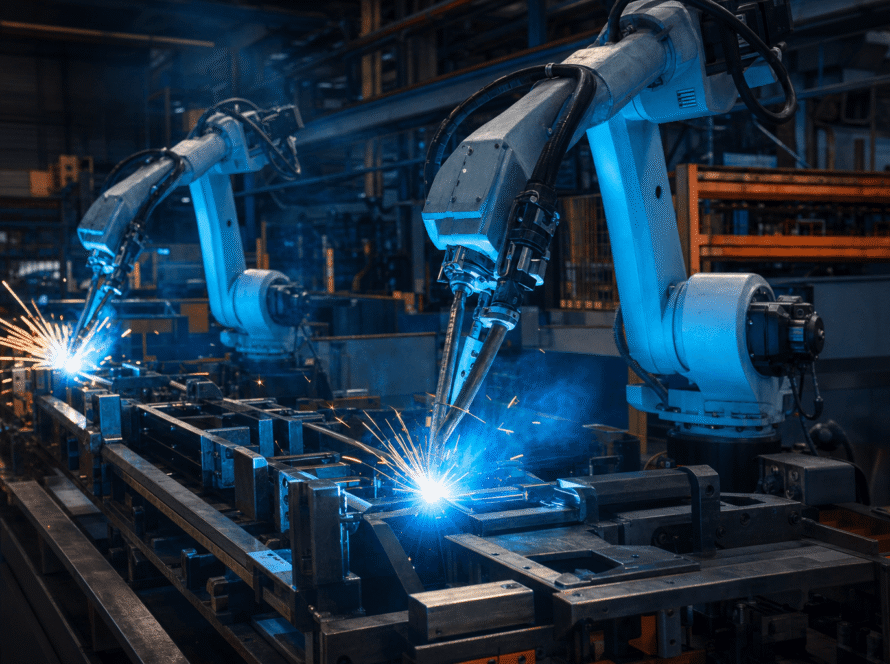
The advancement of manufacturing technologies is a double-edged sword, offering both efficiencies and risks. Automated processes such as robotic welding have minimized labor costs, particularly in regions like China, where factories such as Dongji Intelligent Equipment in the factory capability overview exemplify how automation can lower costs by over 30% industry-wide due to reduced fabrication time and waste. This shift, however, requires a substantial upfront investment in technology, which can be reflected in final product pricing.
Regulatory Compliance and Safety Standards
Compliance with global standards such as IEC 60529, which specifies the IP rating (Ingress Protection) for enclosures, is non-negotiable. An IP67 rating, for example, ensures protection against dust and immersion in water, essential for outdoor applications. Neglecting such standards can lead to significant liability risks, recalls, and reputational damage.
Equally impactful are regional regulations, such as those in the EU which require a stringent lifecycle analysis to quantify environmental impact, influencing material choice and design. Non-compliance can lead to fines and barriers to market entry, particularly in highly regulated markets.
Economic Considerations: Global Sourcing
The landscape of global sourcing is also shifting. While China remains a popular choice due to its advanced infrastructure and economies of scale, emerging markets like Mexico present competitive alternatives, especially for North American OEMs looking for reduced lead times and logistical efficiencies. A recent S&P Global report notes a 15% increase in Mexican exports of metal goods to the USA in 2024, indicating a trend towards closer-to-home production.
The cost of sourcing is not merely a factor of geography, but also encompasses political stability, tariff fluctuations, and currency exchange rates. Understanding these variables is integral to a comprehensive cost assessment.
Conclusion: Navigating an Evolving Landscape
As EV adoption rates soar, the sourcing strategies for charger enclosures will continue to evolve. Staying informed about technological advancements, regulatory changes, and geopolitical shifts is vital for procurement leaders. The question remains: How will your decisions today impact the sustainability and efficiency of EV infrastructure tomorrow?
common manufacturing questions Questions
What are the most important materials for EV charging station enclosures?
Stainless steel and aluminum are the most common, with each having advantages. Stainless steel offers higher durability and corrosion resistance, while aluminum is lighter and often more cost-effective.
How does automation affect the cost of manufacturing enclosures?
Automation, like robotic welding, reduces labor costs significantly, but the necessary investment in technology can affect pricing. The efficiencies gained often outweigh initial costs, leading to competitive pricing and higher quality.
Are there specific international standards for EV charging station enclosures?
Yes, enclosures must generally meet IEC standards such as IEC 60529 for IP ratings, ensuring adequate protection against environmental factors. These standards are crucial for regulatory compliance and product liability.
For specific technical references, see our methodology.