In the dynamic world of metal fabrication, procurement managers and OEM/ODM partner designers face numerous challenges as they navigate technological evolution and global market shifts. This transformation is driven by several key trends, each poised to redefine how sheet metal fabrication is executed and optimized on the world stage.
The Transformation of precision metal fabrication services: Trends and Insights
Automation and Robotics: The New Fabrication Standard
Industry References
For deeper context on sheet metal fabrication trends standards and best practices, see:
SME — Society of Manufacturing Engineers
and
FMA — Fabricators & Manufacturers Association.
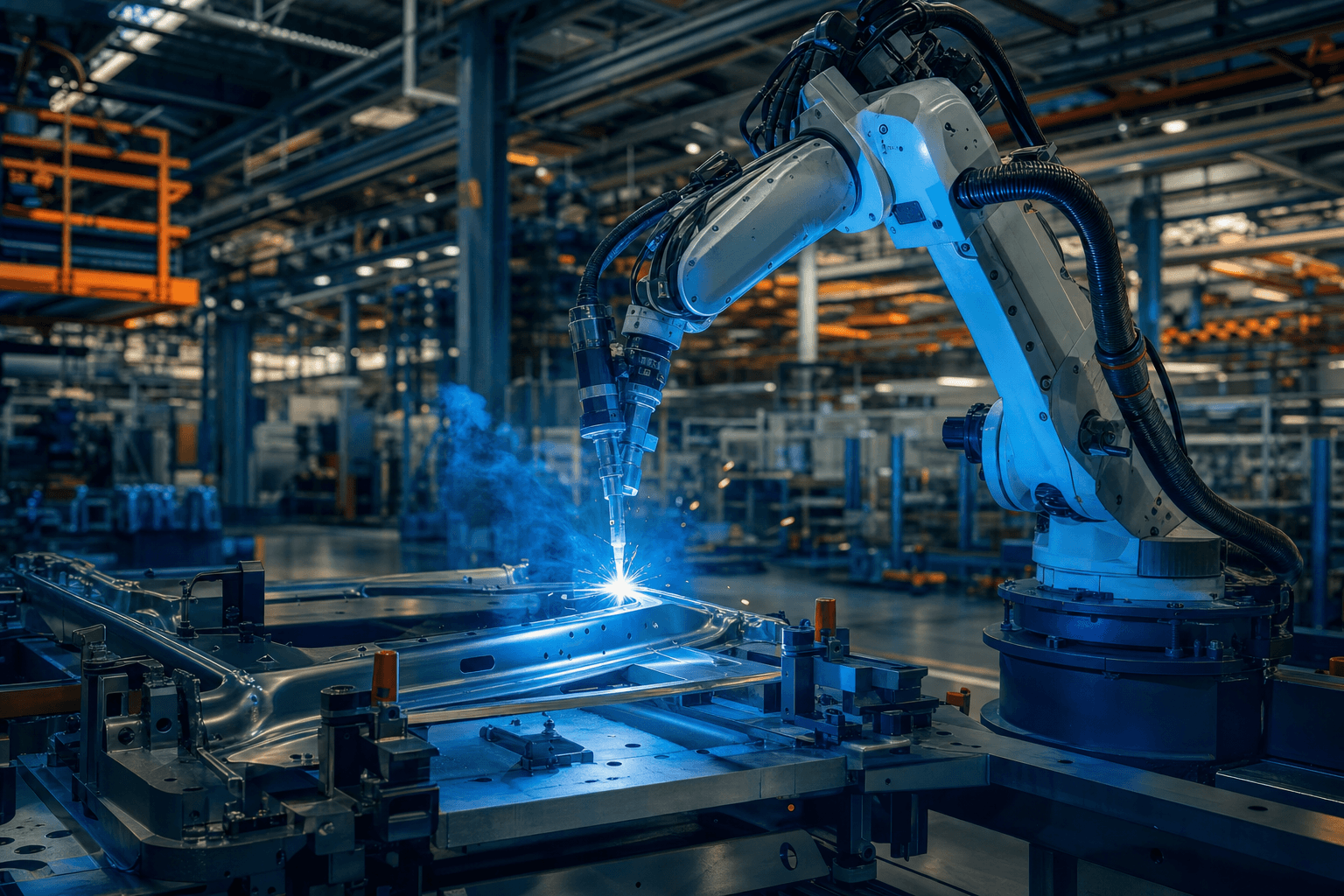
The integration of automation and robotics in sheet metal fabrication has grown significantly, driven by the need for precision, consistency, and efficiency. According to the International Federation of Robotics (IFR), the global stock of industrial robots increased by an average of 14% per year from 2016 to 2021, with the metal industry accounting for a significant share of these installations.
Factories like Dongji Intelligent Equipment in the Dongji factory tour have led the charge by leveraging robotic welding to achieve labor reductions of over 30%. This adoption reflects a broader trend of using smart robotics to tackle labor shortages and enhance production rates without sacrificing quality.
Material Advances: Perfecting the Raw Ingredient
Material science innovations are also shaping how sheet metal components are crafted. The development of high-strength, low-alloy (HSLA) steels, and advanced aluminum alloys offers improved strength-to-weight ratios, essential for industries such as automotive and aerospace. McKinsey reports that advanced high-strength steel usage is expected to double by 2030, driven by demand for lighter, more fuel-efficient vehicles.
Moreover, emerging processes like additive manufacturing are starting to complement traditional fabrication methods, allowing for complex geometries that were previously impossible to achieve.
The Shift Towards Sustainable Manufacturing
Sustainability has become a critical aspect of procurement decision-making as end-consumers demand greener products. The adoption of eco-friendly practices in sheet metal fabrication, such as the use of recycled materials and energy-efficient machinery, is increasingly common.
According to a report by BloombergNEF, industrial manufacturers who implement sustainable practices could see up to a 25% reduction in energy costs. Such savings are vital as energy prices fluctuate and regulatory mandates tighten globally.
Comparative Analysis: Laser Cutting vs. Plasma Cutting
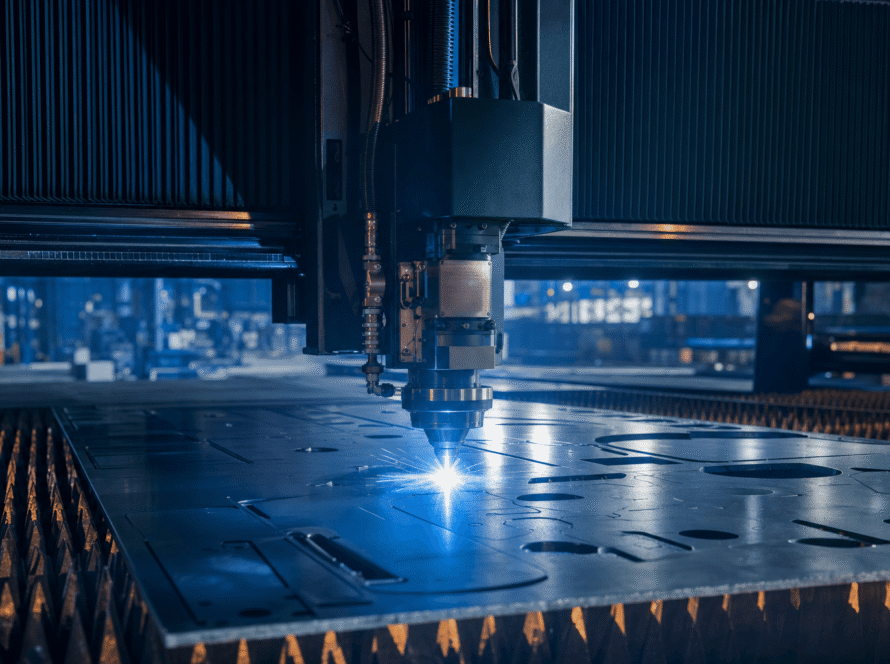
When selecting fabrication processes, procurement professionals often evaluate the benefits of laser cutting versus plasma cutting. Laser cutting offers precision with tolerances typically within 0.1-0.2mm for mild steel under 6mm. In contrast, plasma cutting is more cost-effective for thicker materials above 20mm but sacrifices some precision due to a typical tolerance of about ±0.5mm.
| Process | Material Thickness | Tolerance | Typical Use Cases |
|---|---|---|---|
| Laser Cutting | Up to 15mm | ±0.1mm | Detailed, intricate parts |
| Plasma Cutting | Over 20mm | ±0.5mm | Structural components |
common manufacturing questions Questions
What are the latest advancements in sheet metal fabrication?
Recent advancements include robotics and AI integration for improved precision and efficiency. The rise of additive manufacturing and continuous material innovations are also transforming traditional processes.
How does sustainability impact sheet metal fabrication?
Sustainability impacts procurement decisions as more companies aim to reduce their ecological footprint. This includes using recycled materials, improving energy efficiency, and adapting to more sustainable production practices.
Are robotics cost-effective for mid-sized manufacturers?
While initial investments in robotics can be high, the long-term benefits include reduced labor costs, improved quality, and greater production flexibility. Adoptive strategies can also mitigate costs, such as leasing robots or integrating one step at a time.
Conclusion
The evolving landscape of sheet metal fabrication presents both challenges and opportunities for procurement managers. By understanding the latest trends—ranging from automation to sustainable practices and advanced materials—industry professionals can position themselves at the forefront of innovation, ensuring both competitiveness and compliance in an ever-demanding market. The question remains: How will manufacturers navigate these trends to not only meet current demand but also anticipate future needs?
Further Reading
Have a specific procurement question? Our buyer FAQ
addresses common concerns around lead time, certifications, and DFM.
For factory verification standards, see our 12-step manufacturing process documentation.