The landscape of global manufacturing sourcing is undergoing significant change, driven by geopolitical tensions, technological advancements, and evolving economic factors. Procurement managers today face complex decisions as they navigate the sourcing of components and finished goods. One pivotal question many face is whether to source from China or Mexico, each of which presents unique benefits and challenges.
China vs Mexico Sourcing: Factors to Consider
Economic Considerations
Industry References
For deeper context on china vs mexico sourcing standards and best practices, see:
PMA — Precision Metalforming Association
and
AWS — American Welding Society.
When evaluating the economic factors of sourcing from China versus Mexico, procurement professionals must consider labor costs, tariffs, and logistical expenses.
Labor Costs: According to a recent report from Statista, China’s average manufacturing wage grew from $4.50 per hour in 2015 to about $6.50 in 2023. Mexico, however, maintains a lower average wage at approximately $4.35 per hour. These differences impact overall production costs, especially in labor-intensive industries.
Tariffs and Trade Agreements: The implications of tariffs cannot be overlooked. Since the U.S.-China trade war, additional tariffs on Chinese goods have placed a premium on imports. Conversely, the USMCA (United States-Mexico-Canada Agreement) has simplified trade relations for North American entities, reducing tariffs and fostering a more seamless supply chain for Mexico-sourced goods.
Technical Considerations
Beyond economics, the technical capabilities of factories in these regions play a crucial role.
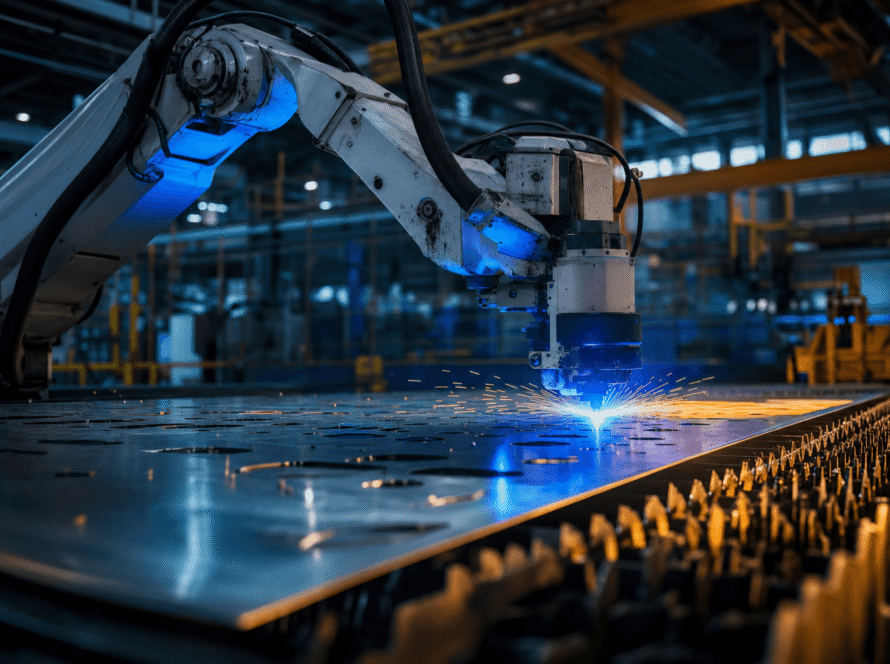
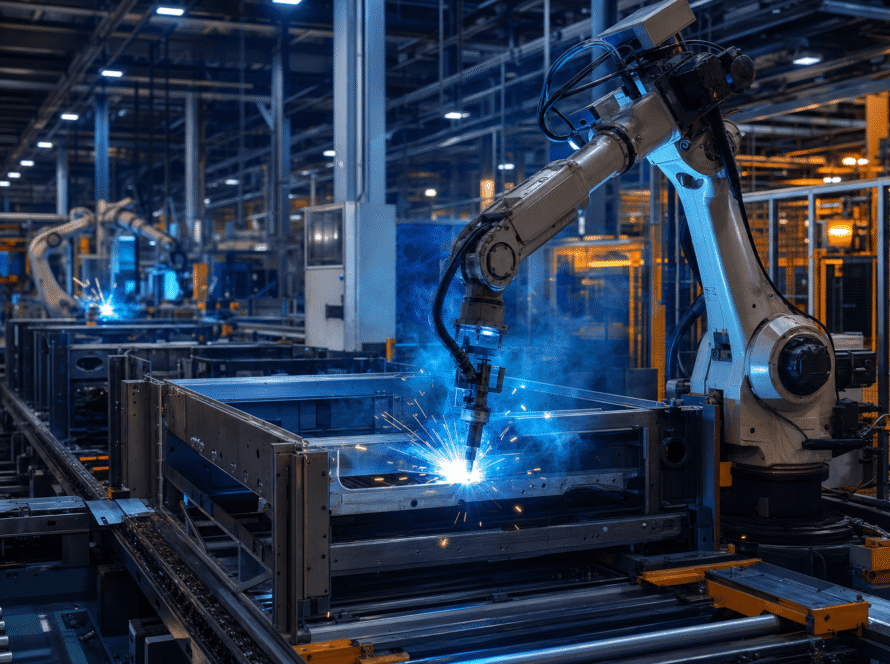
Manufacturing Technology: China’s industrial base is advanced, with facilities like Dongji Intelligent Equipment in the our 30,000m² factory in the Greater Bay Area implementing cutting-edge Industry 4.0 technologies such as robotic welding, which is reshaping production lines and reducing labor dependencies by 30%. Mexican facilities, while improving, often lack such widespread automation, potentially leading to higher defect rates and longer lead times.
Quality Standards: Both countries adhere to international standards like ISO 9001 for quality management systems; however, Chinese factories often offer a wider array of ISO9001/CE/UL/FCC certified, such as CE marking, which is critical for serving European markets.
Geopolitical Considerations
Procurement decisions must also account for geopolitical dynamics.
Political Stability: While both China and Mexico present certain challenges, the U.S.-Mexico trade relationship enjoys relative stability. Geopolitical tensions involving China, such as those around Taiwan or conflicts over intellectual property, can introduce risks of supply chain disruption.
Supply Chain Resilience: Operating closer to the U.S. border, Mexican manufacturers present an advantage in supply chain resilience. The reduced transit time and fewer shipping issues — especially those associated with the congested South China ports in recent years — bolster Mexico as a reliable source.
Environmental Considerations
Environmental impact is increasingly critical in procurement decisions.
Carbon Footprint: Shipping from China to the U.S. incurs a higher carbon footprint compared to Mexican imports, which has driven many firms to reassess their environmental commitments. As reported by BloombergNEF, companies sourcing more locally in North America could reduce their supply chain carbon footprint by up to 50%.
Conclusion
As global manufacturing dynamics evolve, deciding between China and Mexico for sourcing is not merely a question of cost. It requires a holistic approach considering economic, technical, geopolitical, and environmental factors. With green manufacturing and sustainable sourcing becoming more prominent, the future might see shifts in preferred sourcing destinations. How will your sourcing strategies adapt to these trends?
common manufacturing questions Questions
Q1: How do tariffs influence sourcing decisions from China vs. Mexico?
A1: Tariffs significantly impact costs. U.S. tariffs on Chinese imports can make them more expensive compared to Mexican goods, which benefit from the USMCA agreement, providing more cost-effective trade relations.
Q2: What about the quality of manufacturing in China compared to Mexico?
A2: China generally offers more advanced manufacturing technologies and global certifications, which can be crucial for high-volume, precise orders. Mexico, however, is improving its capabilities, particularly in sectors like automotive and electronics, while offering proximity benefits.
Q3: Is environmental impact a significant factor when choosing between China and Mexico for sourcing?
A3: Yes, environmental concerns are increasingly important. Mexican sourcing typically produces a lower carbon footprint due to shorter shipping routes, aligning with global sustainability goals.
Further Reading
Have a specific procurement question? Our buyer FAQ
addresses common concerns around lead time, certifications, and DFM.
For factory verification standards, see our 12-step manufacturing process documentation.