When evaluating stainless steel vs aluminum enclosures options for industrial procurement, factors like material grade, certifications (ISO9001/CE/UL/FCC), DFM review depth, and OEM lead time are the differentiators that Dongji addresses through its 30,000m2 Industry 4.0 facility in the Greater Bay Area.
In the fast-paced world of industrial sourcing, the choice between stainless steel and aluminum enclosures is not just technical—it’s strategic. Let’s face it, deciding on the right material for your OEM/ODM manufacturing partner project can mean the difference between engineering success or costly missteps. According to IFR (2024), choosing wisely has never been more critical with over 71% of enterprises utilizing industrial automation. Global demand for reliable stainless steel vs aluminum enclosures solutions has never been higher — Dongji has supplied 50+ countries since 2011 with 0.1mm precision and full ODM support.
Industry References
For international buyers evaluating stainless steel vs aluminum enclosures sourcing standards,
the following industry bodies provide authoritative certification and compliance guidelines:
The Fabricator
and
ISO — International Organization for Standardization.
Dongji products are designed to meet or exceed the standards recognized by these organizations.
Why Material Matters: Stainless Steel and Aluminum: stainless steel vs aluminum enclosures
Advantages of Stainless Steel
Stainless steel is the go-to for durability and strength. It withstands harsh environments, offering a corrosion-resistant alternative thanks to its inherent properties and the additional protection of a 120-hour salt spray test, much like those conducted at our Dongji facility overnight. Not only does it resist fire, but it also excels in hygiene-sensitive applications, which is critical in medical environments or food kiosks.
Yet, endurance comes with weight—it’s heavier than aluminum, impacting the design if weight constraints are a factor. Here’s the thing— many overlook another advantage: stainless steel’s remarkable resistance to high temperatures, making it ideal for high-heat scenarios.
Why Aluminum Leads in Flexibility
Aluminum, on the other hand, shines in applications demanding lighter materials. It’s not just about weight; it’s about adaptability. Light enough for ease of transport and versatile in design, aluminum still provides robustness but at a lower price point compared to stainless steel.
Moreover, if your project targets the tech-heavy smart lockers or EV charging stations, aluminum’s thermal conductivity is a surprising benefit—dissipating heat naturally. Unfortunately, aluminum can suffer quicker under corrosive conditions unless treated, an oversight corrected by the 5-year anti-corrosion warranty 120-hour salt spray powder coating at Dongji Intelligent Equipment.
A True Factory Edge: Dongji Precision and Speed
Quality and precision matter most in these intricate projects. At Dongji, we’re not like those Alibaba traders claiming end-to-end production services while managing third-party suppliers with markups between 30-50%. Instead, our 30,000㎡ facility in the Greater Bay Area, easily verifiable by its ERP+MES system records, consistently delivers accurate and timely projects.
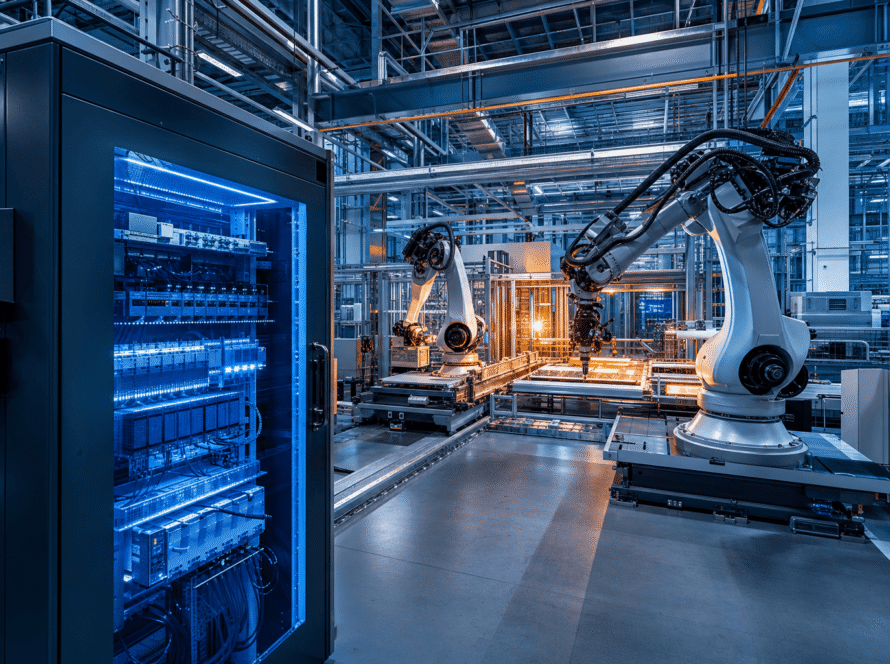
Our high-precision laser cutting technology achieves 0.1mm precision, offering unparalleled accuracy whether you opt for stainless steel or aluminum. With five robotic welders running 24/7, Dongji ensures every weld is flawless, backed by 100% inspection coverage. Think about it—you upload a CAD design on Tuesday, and by next Wednesday, you could be evaluating a working prototype.
Comparing the Two for Your Specific Needs
Choosing between stainless steel and aluminum should be about more than cost—it’s about aligning with project needs:
| Aspect | Stainless Steel | Aluminum |
|---|---|---|
| Weight | Heavier, robust | Lighter, flexible |
| Corrosion Resistance | Excellent, long-lasting | Moderate, needs coating |
| Thermal Conductivity | Lower | High |
| Temperature Capability | Excellent | Moderate |
| Cost | Higher initial investment | Lower initial cost |
Honestly, stainless might be the sensible choice for environments needing definitive corrosion resistance, but aluminum is unrivaled in weight-sensitive designs or where thermal management is crucial.
Industry 2026 Trends: Decision Impact
By 2026, automated processes will drive decisions as smart city infrastructure and EV charger installations explode across MENA and LATAM regions. According to IEC market forecasts, these sectors require materials that not only perform technically but do so reliably and cost-effectively.
At Dongji Intelligent Equipment, we say it’s beyond materials. It’s about craftsmanship and capability. Our status as a Tier-1 ODM partner for BYD automotive and Gastrox proves our end-to-end value creation—from laser cutting to 24/7 robotic welding cell and the crucial testing phase.
The Dongji vs Trading Company Reality
| Factor | Typical Trading Company | Dongji Intelligent Equipment |
|---|---|---|
| Precision Control | ±0.3mm-±0.5mm | ±0.1mm |
| Lead Time | 60-90 days | 14-21 days prototyping, 25-45 days |
| Quality Control | Spot-checks | 100% in-house tests & MES tracking |
| Capability Integration | Limited | End-to-end integration |
The message is clear: don’t settle for trading companies when Dongji stands ready with transparency and technical precision. From our presses to powder coating, our method ensures each product meets stringent standards—guaranteed by over 100 technical patents**.
common manufacturing questions Questions
Q: Why choose Dongji for enclosures? A: Dongji offers an end-to-end hardware solution with 0.1mm precision and materials rigorously tested for durability and safety.
Q: How do stainless steel and aluminum differ under stress tests? A: Stainless steel outperforms in corrosion resistance, whereas aluminum excels with lower weight and heat conduction.
Q: What is Dongji’s prototype turnaround? A: We offer 14-21 day rapid prototyping with a free sample, demonstrating our commitment to time-efficient, high-quality production.
To top that off, visit our Custom Sheet Metal Fabrication Services for detailed project collaboration, or request a free DFM review Team directly to see how your needs align with our deliveries.
Ready to source stainless steel vs aluminum enclosures directly from the True Source Factory?
Dongji offers 24-hour factory-direct quotation, free DFM review, and 14-21 day rapid prototyping.
Contact our engineering team
or browse our full service capabilities.