As supply chains stabilize post-pandemic, procurement managers are facing a new array of challenges, from raw material volatility to the rapid pace of technological advancement. Specifically, sheet metal fabrication is seeing significant shifts due to increased automation, materials innovation, and evolving international standards. Understanding these trends is crucial for strategizing procurement and production in 2024.
precision metal fabrication services Trends Shaping 2024
Automation and Robotics Revolution
Industry References
For deeper context on sheet metal fabrication trends standards and best practices, see:
NAMA — National Automatic Merchandising Association
and
ISO — International Organization for Standardization.
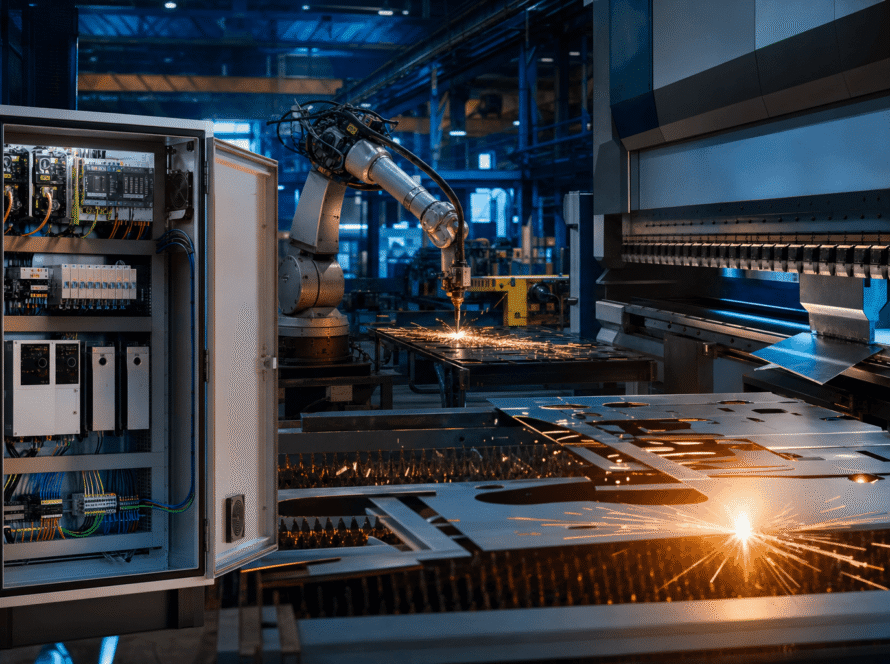
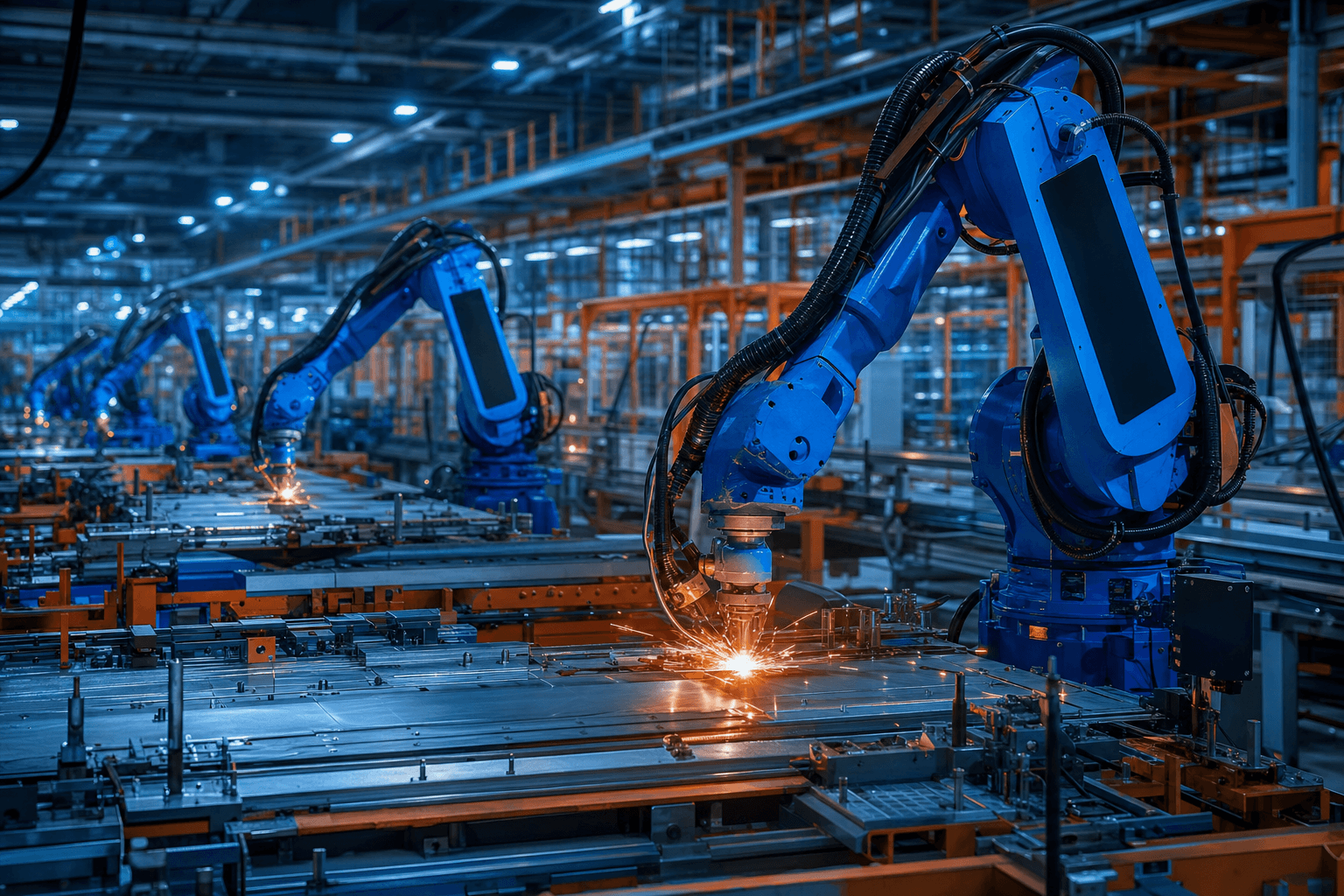
The sheet metal sector is witnessing a profound transformation, driven largely by automation and robotics. According to the International Federation of Robotics, the global stock of operational industrial robots reached nearly 3 million by 2021, with the automotive and electronics sectors being major adopters. As these technologies become more affordable and sophisticated, mid-tier sheet metal fabricators are beginning to close the automation gap with larger global competitors. Factories like Dongji Intelligent Equipment in the our 30,000m² factory in the Greater Bay Area, as a representative example, now run multiple welding robots around the clock, demonstrating the industry’s shift toward minimizing labor costs and increasing efficiency. This has resulted in a reduction in fabrication labor costs by over 30% across the industry.
However, the transition to automation isn’t without its challenges. Key considerations include the initial capital investment, integration with existing systems, and the availability of skilled technicians to maintain and program robotic systems. For procurement managers, it’s essential to consider a supplier’s automation capabilities and how they might impact long-term costs and production timelines.
Material Innovations
Recent advancements in materials science are also influencing sheet metal fabrication. The development of advanced high-strength steels (AHSS) and aluminum alloys provide manufacturers with robust yet lightweight options critical for automotive and aerospace applications. The American Society for Testing and Materials (ASTM) has been pivotal in setting standards such as ASTM A1008/A1011 for AHSS, which offers improvements in tensile strength and ductility compared to traditional steels.
Beyond steel, the increase in demand for greener manufacturing practices has led to a rise in recycled aluminum use. This shift is underscored by McKinsey’s 2023 report, which predicts a 30% increase in recycled aluminum demand by 2030, driven by sustainability goals across industries.
Regulatory Developments
Amidst technological advancements, regulatory changes continue to shape the industry landscape. Procurement managers must stay abreast of global standards like ISO 9001:2015 for quality management and IEC 60204 for the safety of machinery. Compliance with these standards is not merely mandatory but serves as a competitive advantage.
Recent changes in international trade policies, specifically those influencing tariffs on imported sheet metal, have also impacted sourcing strategies. With fluctuating tariffs, suppliers based in countries with stable trade agreements result in cost-effective and reliable partnerships. For instance, the ongoing U.S.-China trade negotiations could potentially affect the cost and availability of imported metals, prompting some buyers to consider sourcing from Mexico or other regions not subject to such tariffs.
Sheet Metal Cutting Technology Comparison
When it comes to processing sheet metal, laser cutting and waterjet cutting are often compared. Laser cutting is ideal for quick precision cuts and thin materials, offering tolerances as tight as 0.1mm. In contrast, waterjet cutting can handle thicker materials and does not subject the metal to thermal stress, making it suitable for materials sensitive to high temperatures.
| Feature | Laser Cutting | Waterjet Cutting |
|---|---|---|
| Cutting Precision | 0.1mm tolerance | 0.2-0.4mm tolerance |
| Suitable Material Thickness | Up to 25mm steel | Up to 100mm different materials |
| Thermal Influence | High (requires allowances for distortion) | Minimal (cold process) |
| Operational Speed | Fast | Slower compared to laser |
Both technologies have their place in the industry, and the choice largely depends on specific project needs and material characteristics.
sheet metal sourcing FAQs Questions
How do I evaluate a supplier’s automation capabilities?
When evaluating a supplier, inquire about the types and numbers of robots and automated systems they have in place. Consider touring their facilities to see firsthand how automation is integrated into their processes.
What are the benefits of sourcing materials from countries with stable trade agreements?
Countries with stable trade agreements offer more predictable landed costs and secure supply chains. This stability can be crucial for planning budgets and ensuring timely delivery of materials.
Are advanced high-strength steels suitable for all types of projects?
While AHSS offers excellent strength-to-weight ratios, they may not be necessary for all projects. They are best suited for applications where reducing weight while maintaining strength is critical, such as in automotive and aerospace industries.
Further Reading
Have a specific procurement question? Our buyer FAQ
addresses common concerns around lead time, certifications, and DFM.
For factory verification standards, see our 12-step manufacturing process documentation.