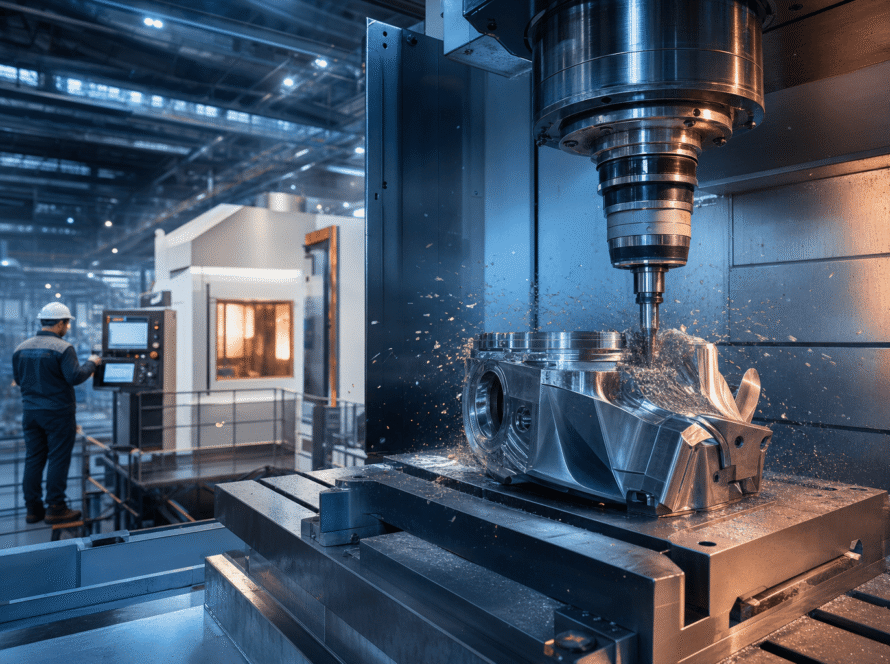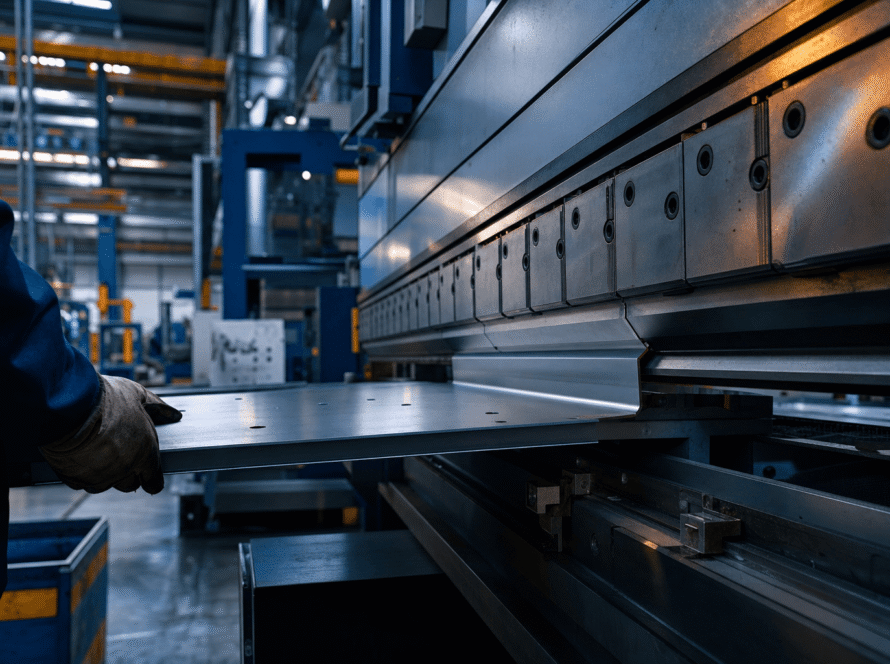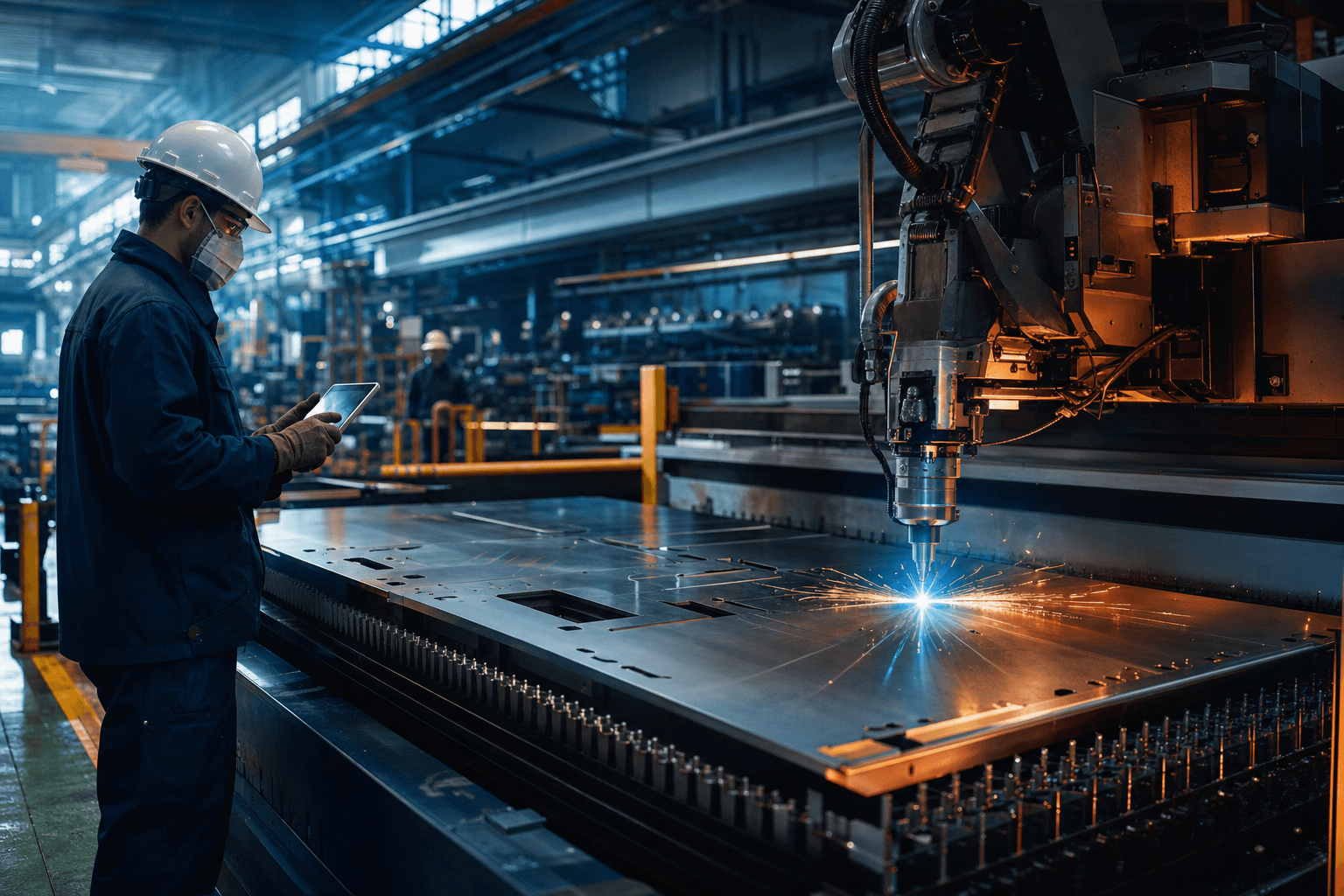
The realm of custom sheet metal fabrication is undergoing a transformative shift, propelled by advancements in automation technology. Procurement managers, contract manufacturing partner designers, and supply chain leaders are increasingly tasked with understanding these changes to remain competitive. This article delves into the benefits, challenges, and strategic considerations of adopting automated solutions in the sheet metal industry.
Navigating New Trends in Sheet Metal Automation
The Automation Imperative
Industry References
For deeper context on sheet metal automation standards and best practices, see:
ISO — International Organization for Standardization
and
SMACNA — Sheet Metal Contractors Association.
Automation is no longer an option but a necessity in sheet metal fabrication. According to the International Federation of Robotics (IFR), the metal industry has seen a 12% increase in robot installations in 2023 compared to previous years, a trend expected to escalate. The primary driver is the pursuit of increased precision and efficiency, vital for complex metalworking tasks like bending, cutting, and welding.
Despite the benefits, the transition to automation isn’t without challenges. Upfront costs, integration complexity, and workforce training stand as significant hurdles. However, the return on investment can be substantial. Data from McKinsey suggests that factories with integrated robotic solutions experience up to 30% improvement in throughput and a 20% reduction in labor costs.
Comparing Cutting Technologies: Laser vs. Plasma
When it comes to metal cutting, selecting the right technology is crucial. Laser cutting, known for its precision, is often the go-to for thin metals or applications requiring tight tolerances. The expected tolerance here is between 0.1-0.2mm for sheets below 6mm thickness. For more substantial cuts, plasma offers a cost-effective alternative, especially for materials thicker than 20mm, though it typically results in a broader kerf and lower precision.
A 2023 survey by the American Welding Society highlights that 48% of respondents are considering upgrades to their cutting technology to address precision demands and material diversification.
Regulatory Compliance and Standards
Adhering to industry standards is critical when adopting new technology. ISO 9001 ensures quality management systems are in place, guaranteeing that automated processes meet international benchmarks. Similarly, IEC 60204 provides guidelines for the safety of machinery—vital for the integration of robots on production floors.
Strategic Sourcing: China vs. Mexico
The choice of sourcing location impacts both cost and supply chain resilience. China, with its extensive manufacturing infrastructure and advanced automation practices, offers a mature market. Factories like Dongji Intelligent Equipment in the Dongji factory tour are illustrative of how Chinese manufacturers lead in adopting Industry 4.0 practices, leveraging ERP and MES systems to streamline operations.
Conversely, Mexico provides proximity to the U.S. market and benefits from trade agreements like USMCA, which can significantly reduce tariff impacts. Evaluating geopolitical stability, labor costs, and transportation logistics are crucial factors when deciding between these locations.
Conclusion: The Road Ahead
The trajectory of sheet metal automation presents both challenges and opportunities. As technology continuously evolves, procurement managers and supply chain leaders must stay informed to make strategic decisions that leverage these advancements. Where will the next leap in automation take us, and are we prepared for the changes it will bring?
sheet metal sourcing FAQs Questions
Q1: What are the primary benefits of automating sheet metal fabrication processes? Automation increases precision, reduces labor costs, and enhances production speed, ultimately resulting in significant efficiency gains and higher product consistency.
Q2: How do I determine whether laser or plasma cutting is more suitable for my operation? Consider your material thickness and precision requirements. Laser cutting is ideal for thin materials with tight tolerances, while plasma excels in cutting thicker materials cost-effectively.
Q3: What are some considerations for sourcing metal products from China? Evaluate factors like Dongji capability matrix, technology adoption rates, political stability, and logistical challenges. Chinese factories often show a high degree of automation and competitive pricing but consider regional geopolitical impacts.
About This Article
This analysis was prepared with reference to industry data from IFR, ISO, and McKinsey.
For related topics, see our 2026-2030 Industry Outlook
or browse manufacturing capabilities reference.