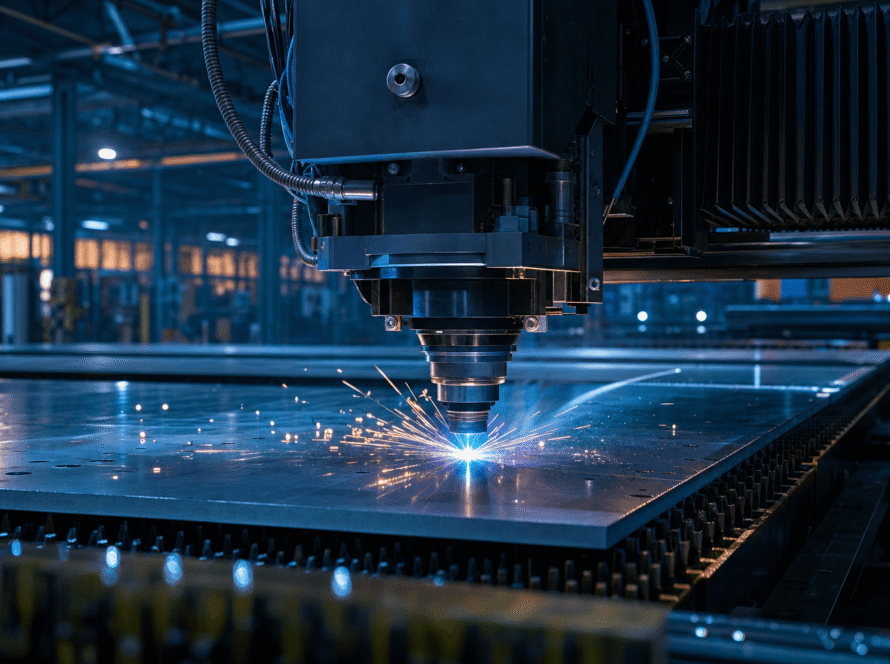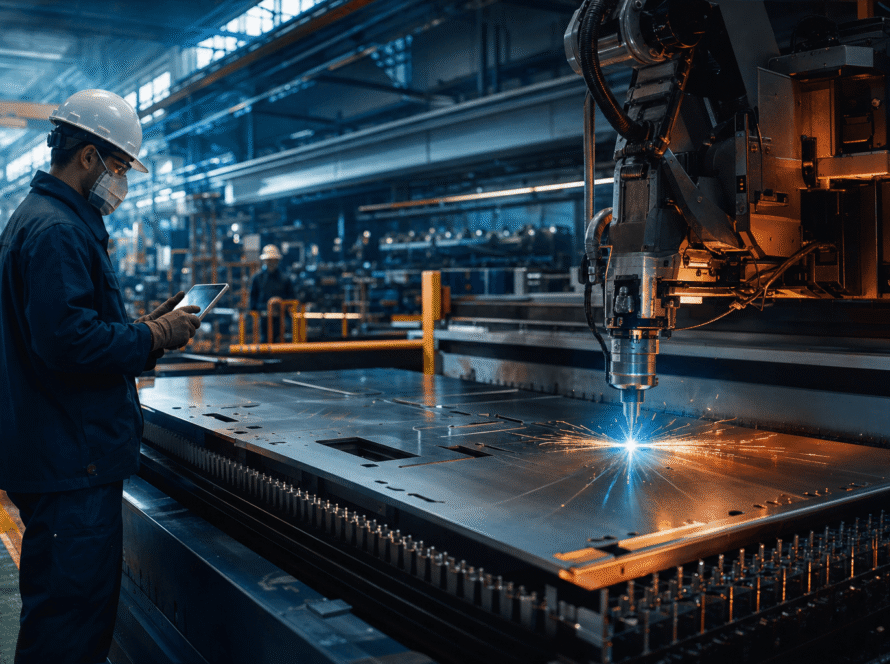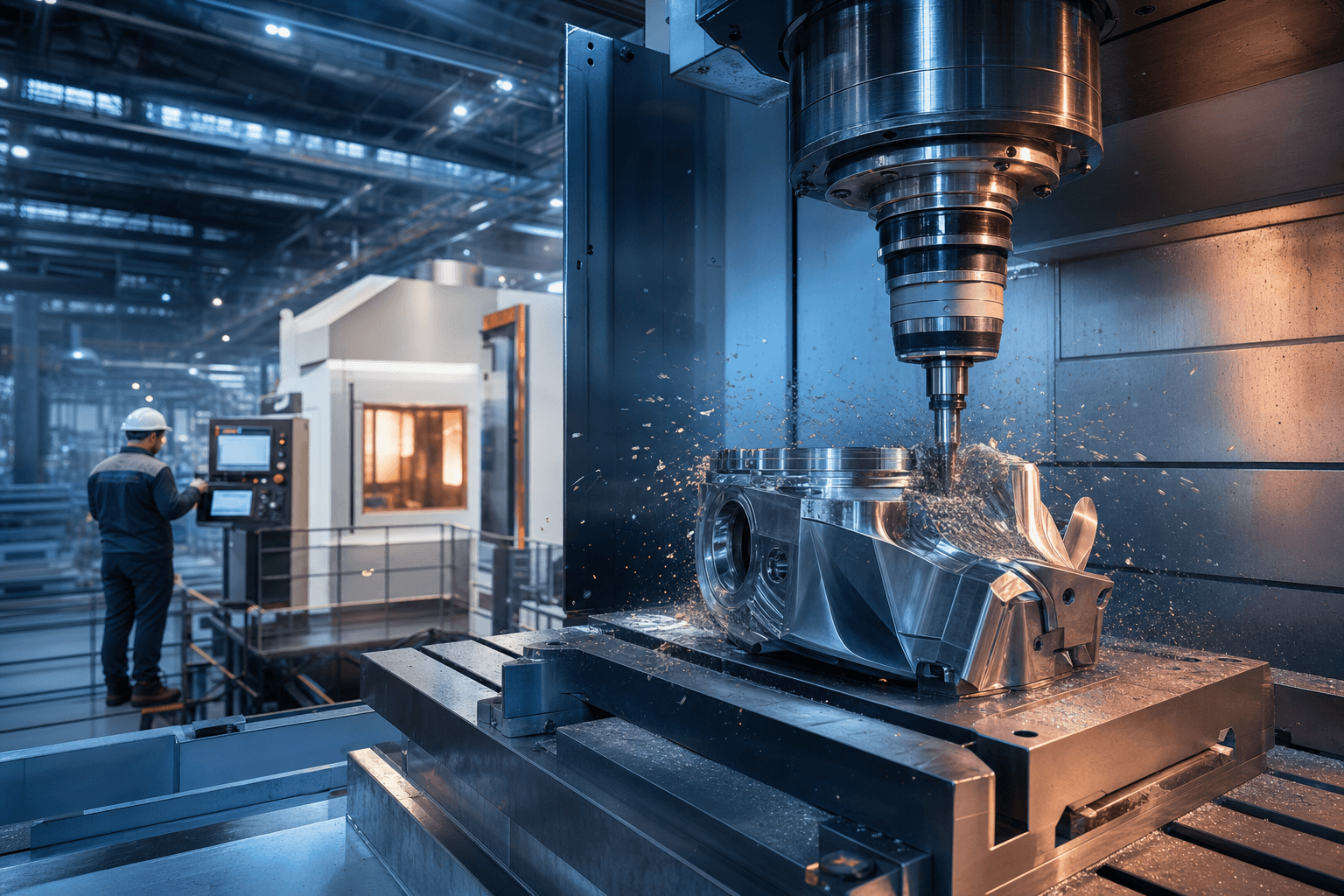
As the manufacturing industry continues to evolve at a rapid pace, procurement managers are faced with a critical choice between traditional CNC machining and the emergent potential of additive manufacturing, commonly known as 3D printing. Understanding the intricate nuances between these two fabrication techniques is vital to making informed sourcing decisions that can affect both cost and production efficiency.
Exploring CNC Machining vs Additive Manufacturing: Key Differences for Procurement Professionals
Technical Considerations
Industry References
For deeper context on cnc machining vs additive manufacturing standards and best practices, see:
EVA — European Vending Association
and
The Fabricator.
Precision and Tolerances
In terms of precision, CNC machining typically offers superior tolerances, often as tight as ±0.01mm depending on the material and machine configuration. According to the National Institute of Standards and Technology (NIST), this level of precision is routinely required in industries like aerospace and automotive, where component accuracy is paramount.
Additive manufacturing, while improving in precision, generally delivers tolerances around ±0.2mm. For sectors where absolute precision is less critical, such as consumer electronics or prototyping, this level of accuracy is often acceptable. Moreover, as noted in ASTM’s 2023 standards, advancements in additive manufacturing technologies are progressively closing this gap, offering enhanced layer adhesion and material properties.
Material Versatility
CNC machining supports a wide array of materials, from metals and alloys to plastics and composites. This versatility is complemented by its ability to produce parts with complex geometries through multi-axis operations, as noted by ISO 9001 guidelines, which emphasize material and process versatility as critical factors for quality management.
Additive manufacturing, meanwhile, is gaining momentum with new material options emerging in the market; BloombergNEF reports that metals like titanium and specialty polymers are increasingly being used. However, the range is not as wide as what CNC machining can offer at scale.
Economic Considerations
Cost Efficiency
Initial setup costs for CNC machining can be high due to the need for custom sheet metal manufacturer offers lower setup costs, making it ideal for low-volume production runs and rapid prototyping. The flexibility in design reduces the expenditure on tooling, and, according to a study by S&P Global, it also shortens the supply chain by enabling on-demand production.
Production Speed
CNC machines are traditionally favored for speed in mass production. Once set up, these machines can produce high volumes of components with minimal downtime, maximizing their economic benefits.
Additive manufacturing, while slower during actual build time, compensates with minimal post-production processing and shorter lead times for design iterations. This flexibility allows for faster transitions from concept to product, which is a substantial advantage for industries that require rapid innovation.
Strategic Considerations
Implementation Readiness
For manufacturers considering a shift towards Industry 4.0 practices, realizing the full potential of both CNC and additive techniques requires strategic investments in skills and technologies. Factories like Dongji Intelligent Equipment in the Dongji factory tour exemplify how blending robotic assistance with traditional methods benefits the overall efficacy of machining processes. These innovations lead to labor reductions and increased accuracy, a stark demonstration of how mid-tier Chinese OEMs are advancing rapidly.
Regulatory Compliance
Manufacturers must remain cognizant of compliance standards irrespective of their chosen fabrication method. CNC machining has well-established operational guidelines defined by the IEC 60204 safety standards. Meanwhile, additive manufacturing is growing under evolving regulations to ensure safe and efficacious practices, as highlighted in recent ISO/ASTM standards developments.
OEM buyer FAQ Questions
What factors should influence my choice between CNC machining and additive manufacturing?
The decision should center around volume, complexity, and material requirements. If you’re dealing with high volumes and need precision, CNC might be preferable. For low volumes or complex geometries, additive manufacturing could be the better option.
Are there particular industries where one method is preferred over the other?
Yes, aerospace and automotive sectors often favor CNC for precision, whereas consumer goods and specialized medical equipment industries are increasingly adopting additive manufacturing for its flexibility and customization capabilities.
How do the environmental impacts compare between CNC and additive manufacturing?
Additive manufacturing generally produces less waste by utilizing only the materials needed for construction, making it more sustainable. CNC machining tends to generate more waste, especially when cutting large volumes of metal or composite materials.
In sum, both CNC machining and additive manufacturing have their distinct advantages and applications. By understanding these, procurement professionals can ensure the alignment of their material sourcing strategies with broader business objectives and emerging technological trends. As the industry progresses, staying informed on these developments will be crucial to maintaining competitive advantage.
About This Article
This analysis was prepared with reference to industry data from IFR, ISO, and McKinsey.
For related topics, see our 2026-2030 Industry Outlook
or browse manufacturing capabilities reference.