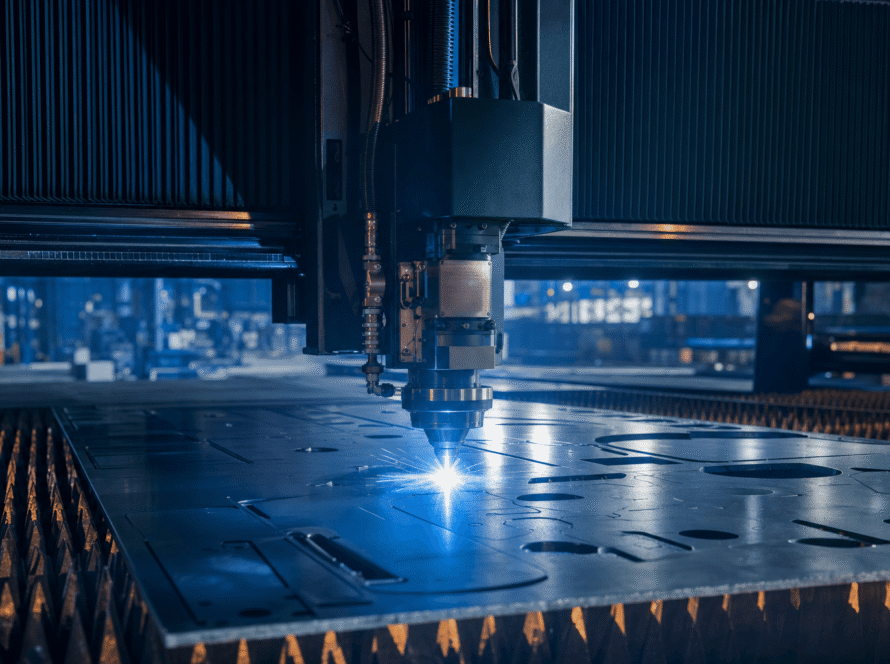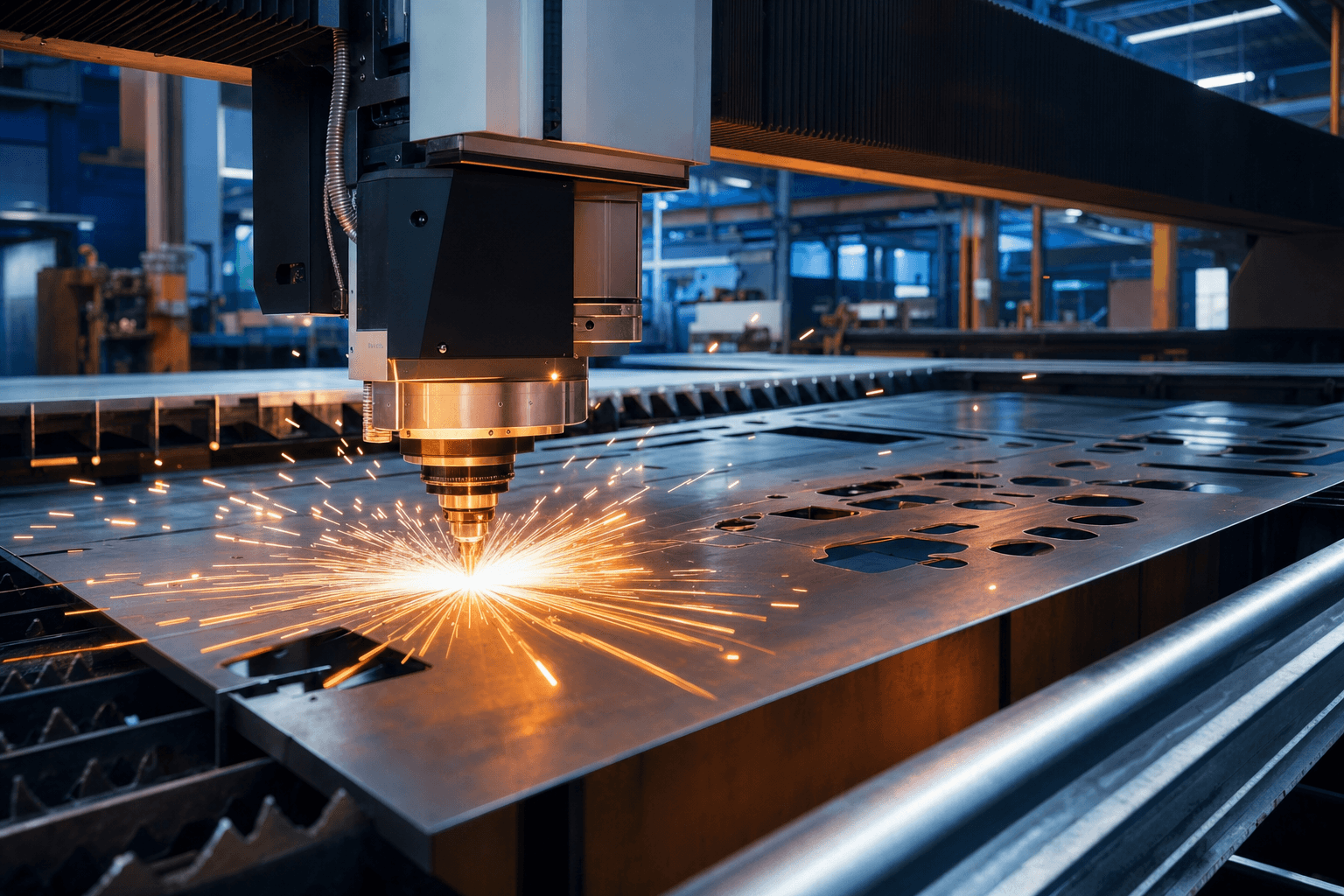
In a rapidly evolving manufacturing industry, the concept of Design for Manufacturability (DFM) has become a cornerstone for optimizing production processes, especially in sheet metal fabrication. Procurement professionals are increasingly tasked with ensuring that components are not only designed to meet functional requirements but also optimized for cost-effective and high-quality manufacturing. This article explores the critical role that DFM plays in sheet metal fabrication and its implications for procurement strategies.
Understanding Design for Manufacturability (DFM) in precision metal fabrication services
The Economic Impact of DFM
Industry References
For deeper context on dfm for sheet metal standards and best practices, see:
The Fabricator
and
ISO — International Organization for Standardization.
One of the primary advantages of implementing DFM principles is cost reduction. By considering manufacturability at the design stage, companies can significantly cut down on material waste, production delays, and rework, all of which can inflate costs. According to a study by McKinsey & Company, companies that incorporate DFM can reduce production costs by up to 30%. This is particularly pertinent in markets like aerospace and automotive, where precision and efficiency are paramount.
Moreover, advanced DFM tools can simulate the manufacturing process and predict potential points of failure or inefficiency. For instance, using finite element analysis, designers can model stresses on sheet metal parts and optimize thickness or material usage accordingly, potentially preventing costly production hiccups.
Technical Aspects: DFM Tools and Techniques
Incorporating DFM in sheet metal fabrication requires a close collaboration between design teams and manufacturing engineers. Various software solutions facilitate this collaboration by allowing for concurrent engineering practices. For example, CAD/CAM software often includes DFM modules that enable cross-functional teams to assess design choices based on real-life manufacturability metrics.
For sheet metal, key considerations in DFM include the selection of appropriate bending, cutting, and joining techniques. Laser cutting, known for its precision and speed, is often compared to plasma cutting. While laser cutting usually provides tighter tolerances and cleaner edges, plasma cutting can be more cost-effective for thicker materials. According to the ASTM International, for materials under 6mm, a tolerance as tight as 0.1-0.2mm is achievable with laser cutting, but this flexibility may reduce for thicker sheet metal.
Regulatory and Quality Standards
Adhering to industry standards is critical in ensuring quality and compliance in sheet metal fabrication. The ISO 9001 ISO9001/CE/UL/FCC certified outlines requirements for a quality management system that enhances custom sheet metal manufacturer landscape becomes increasingly complex, DFM offers procurement managers a powerful tool to enhance product quality and process efficiency while cutting costs. By emphasizing manufacturability early on, companies can anticipate challenges and reduce unforeseen expenses. As technology and globalization continue to reshape industries, keeping DFM at the forefront of procurement strategies could well be the differentiator for competitive advantage in sheet metal fabrication.
sheet metal sourcing FAQs Questions
What is the primary benefit of DFM in sheet metal fabrication?
DFM greatly reduces production costs and inefficiencies by ensuring products are designed with manufacturability in mind. This approach results in less material waste and lower production complexity.
How does DFM affect supplier selection?
Supplier selection should consider the supplier’s expertise in DFM, their willingness to engage in design optimization discussions, and their capability to meet quality standards and delivery requirements.
How can I verify a supplier’s DFM capabilities?
Review their past projects, ISO certifications, and the technologies they employ. Visiting their facility to observe their processes and discuss project iterations in detail can offer valuable insights.
Further Reading
Have a specific procurement question? Our buyer FAQ
addresses common concerns around lead time, certifications, and DFM.
For factory verification standards, see our 12-step manufacturing process documentation.