In today’s complex global manufacturing landscape, ensuring compliance and quality assurance in sheet metal manufacturing is not just a regulatory necessity but a critical competitive differentiator. Procurement managers and OEM/ODM partner designers must navigate various ISO9001/CE/UL/FCC certified requirements to mitigate risks, ensure product reliability, and enhance supply chain resilience.
Introduction
Understanding Key Certifications
Industry References
For deeper context on sheet metal certifications standards and best practices, see:
ISO — International Organization for Standardization
and
FMA — Fabricators & Manufacturers Association.
One of the primary focuses for sheet metal manufacturers is achieving certifications that guarantee quality, safety, and environmental sustainability. ISO 9001 is widely recognized as the baseline standard for quality management systems, focusing on consistent quality and continual improvement. Manufacturers with ISO 9001 certification are often seen as more reliable partners since they demonstrate a commitment to reaching rigorous quality standards. According to the International Organization for Standardization, over 1 million companies in more than 170 countries are ISO 9001 certified.
Further enhancing safety and environmental efforts, ISO 14001 certification helps manufacturers manage their environmental responsibilities systematically. This is particularly crucial for those involved in large-scale or international projects, where environmental regulations might vary significantly across different regions.
While these certifications are vital, sheet metal manufacturers should also consider ISO 45001, which specifies requirements for an occupational health and safety (OH&S) management system. It aims to reduce workplace injuries and illnesses, improving employee safety and overall workplace health.
Technical and Economic Considerations
Certifications like EN 1090 are integral for those working with structural steel and aluminum. This European standard ensures components meet essential safety and reliability standards, particularly in construction projects. Given Europe’s strict regulatory environment, compliance with EN 1090 can significantly smooth market entry into the EU.
Moreover, NEMA ratings and IP standards define levels of sealing effectiveness against dust and water — a critical factor for sheet metal enclosures used in harsh environments. NEMA 250 and IEC 60529 (IP ratings) ensure that products meet specified protection levels, thus catering to industry sectors such as telecommunications and infrastructure.
From an economic standpoint, maintaining inadequate certifications can result in hefty penalties, damaged relationships with clients, and harm to a manufacturer’s brand reputation. However, investing in necessary certifications can lead to reduced operational risks and improve market access.
Strategic Benefits of Certification
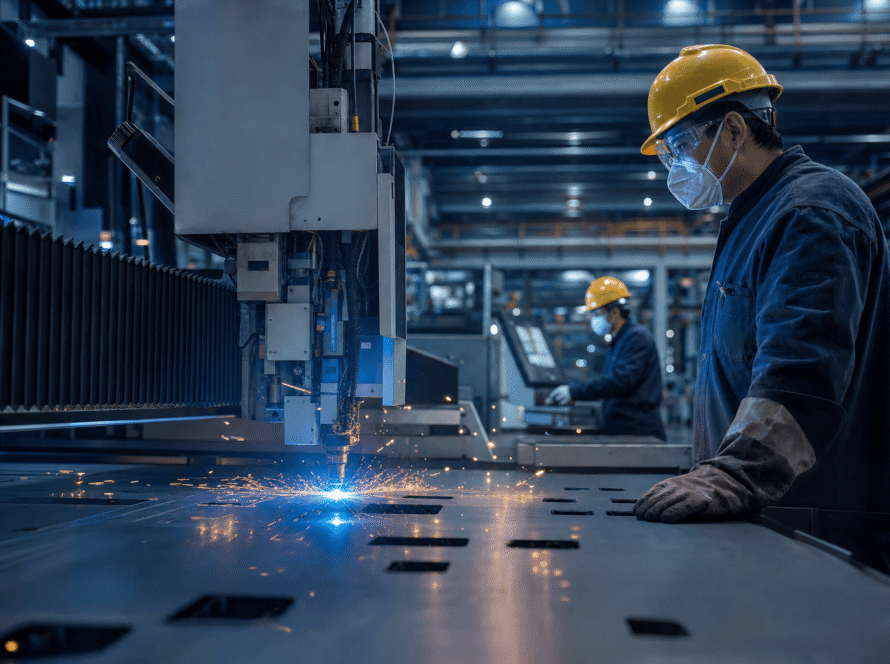
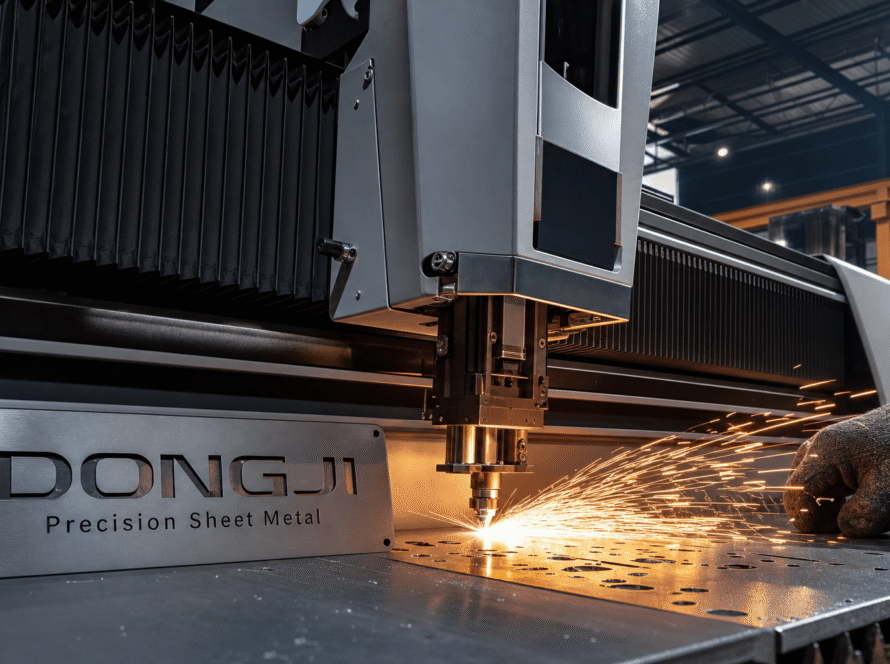
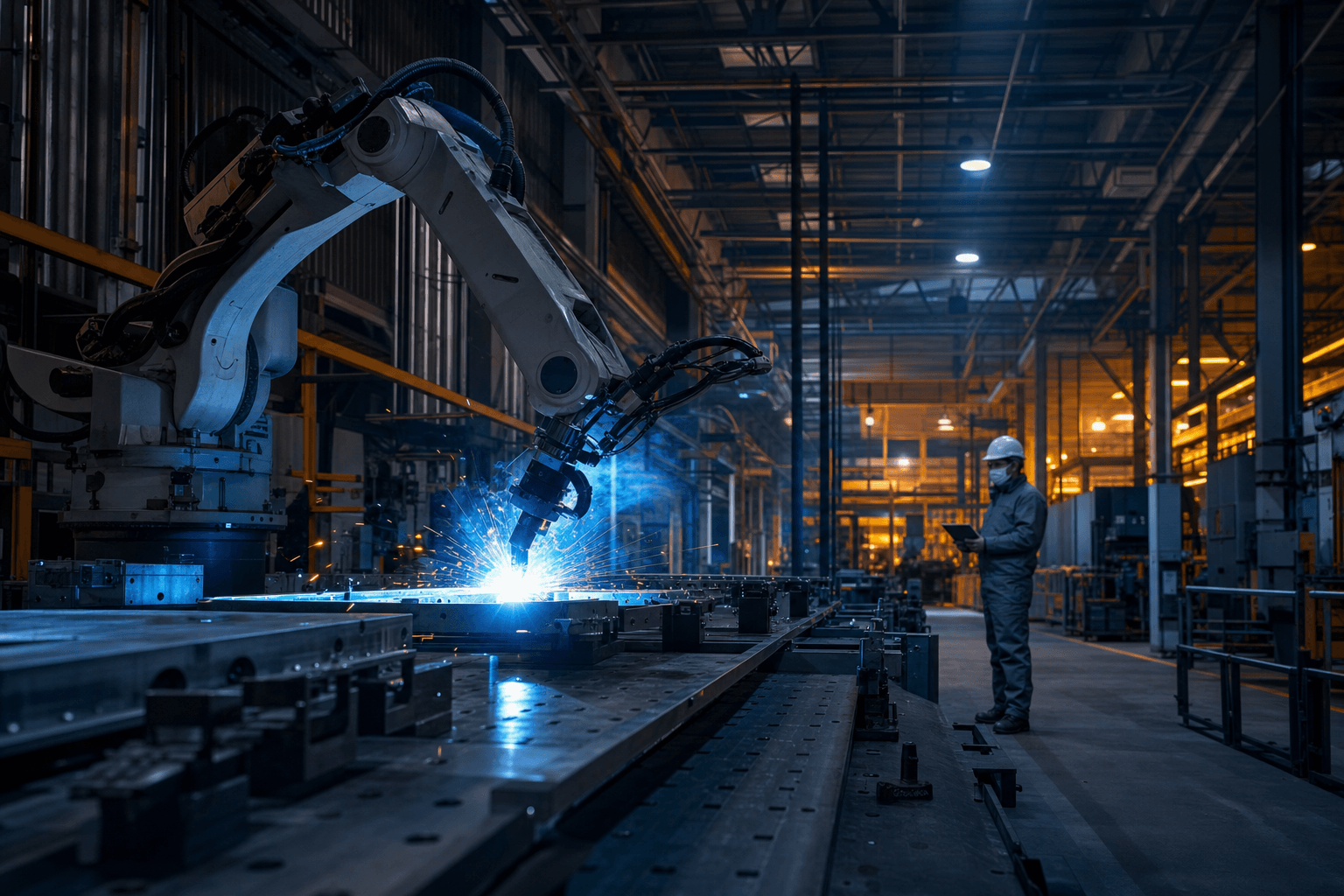
Certifications also offer strategic advantages. They can open new market opportunities and enhance supply chain transparency. For manufacturers like those in the Dongji factory tour, including examples like Dongji Intelligent Equipment, with advanced robotic welding capabilities, aligning their operations with industry standards can lead naively to a reduction in labor costs and improvement in production consistency. The International Federation of Robotics (IFR) reports that automation in sheet metal factories is contributing to a 15-25% increase in productivity while maintaining superior quality standards.
Regulatory Landscape and Future Trends
As the regulatory environment continues evolving, sheet metal manufacturers should stay informed about future trends. The shift towards sustainability has given rise to increased scrutiny on suppliers’ environmental and ethical practices. Regulations that push for more sustainable practices, like the European Green Deal, could potentially require more stringent environmental certifications.
Moreover, blockchain technology is increasingly explored for its potential in enhancing certification processes, offering improved traceability and transparency. While still in its nascent stages, its adoption could redefine compliance management, offering procurement managers near-real-time insights into supplier certification statuses.
Conclusion
As procurement professionals focus on risk management and quality assurance, understanding and applying the correct certifications becomes a strategic asset. As technologies and industry standards evolve, those manufacturers that proactively adapt will position themselves to lead in a competitive global marketplace. Future shifts in regulations and technological solutions, such as blockchain, may further redefine the role and management of certifications, offering both challenges and opportunities.
common manufacturing questions Questions
What certifications are most crucial for sheet metal manufacturers?
ISO 9001 and ISO 14001 are essential for quality management and environmental standards, while ISO 45001 focuses on occupational health. EN 1090 is imperative for construction-related projects due to its emphasis on structural integrity.
How do certifications impact my supply chain decisions?
Certifications can significantly influence supply chain reliability, mitigate risk, enhance compliance with regional regulations, and improve overall product quality.
Why is environmental certification becoming more important?
As sustainability becomes a regulatory focus globally, environmental certifications like ISO 14001 can improve marketability, compliance, and brand reputation, offering a competitive edge to certified manufacturers.
Further Reading
Have a specific procurement question? Our buyer FAQ
addresses common concerns around lead time, certifications, and DFM.
For factory verification standards, see our 12-step manufacturing process documentation.