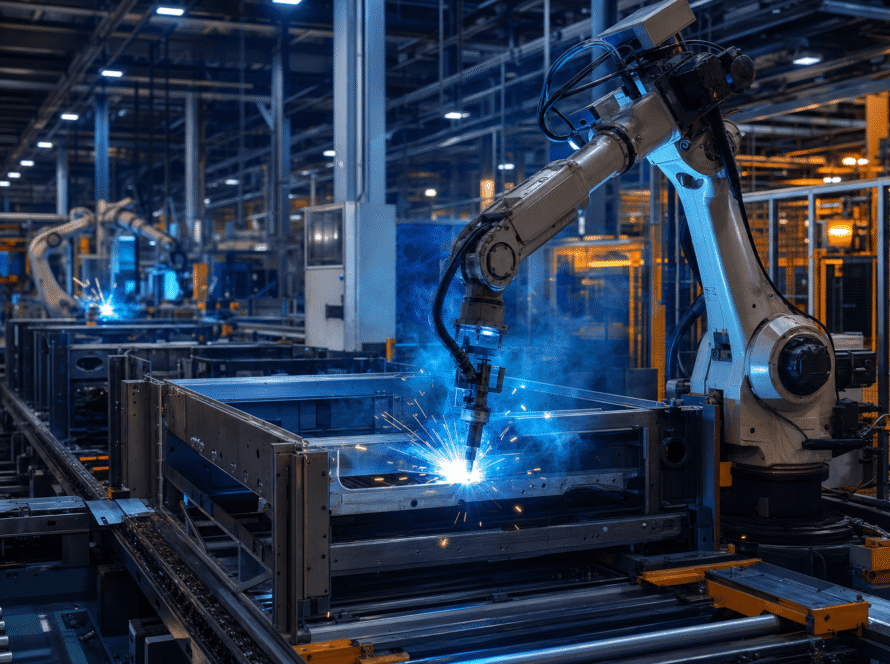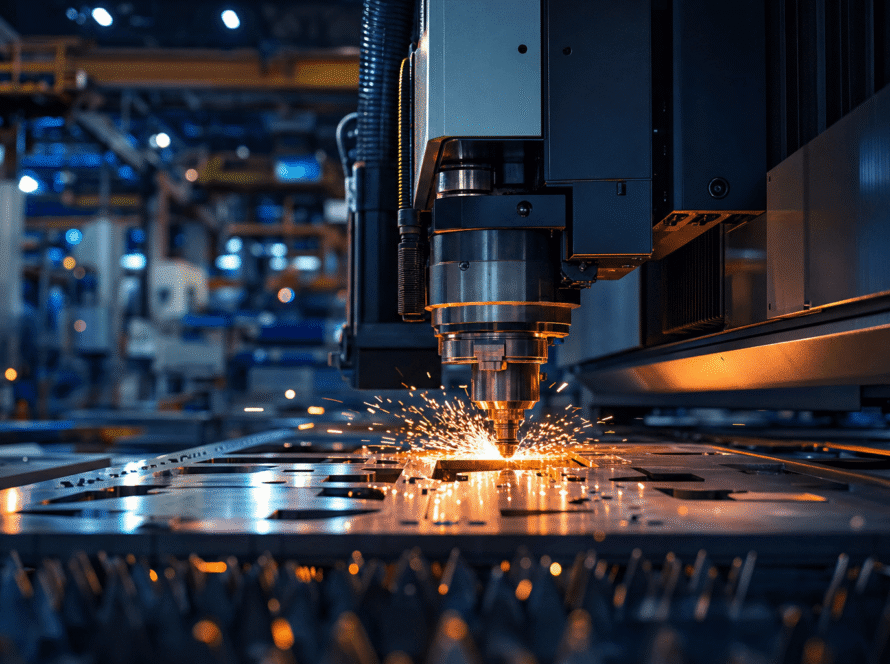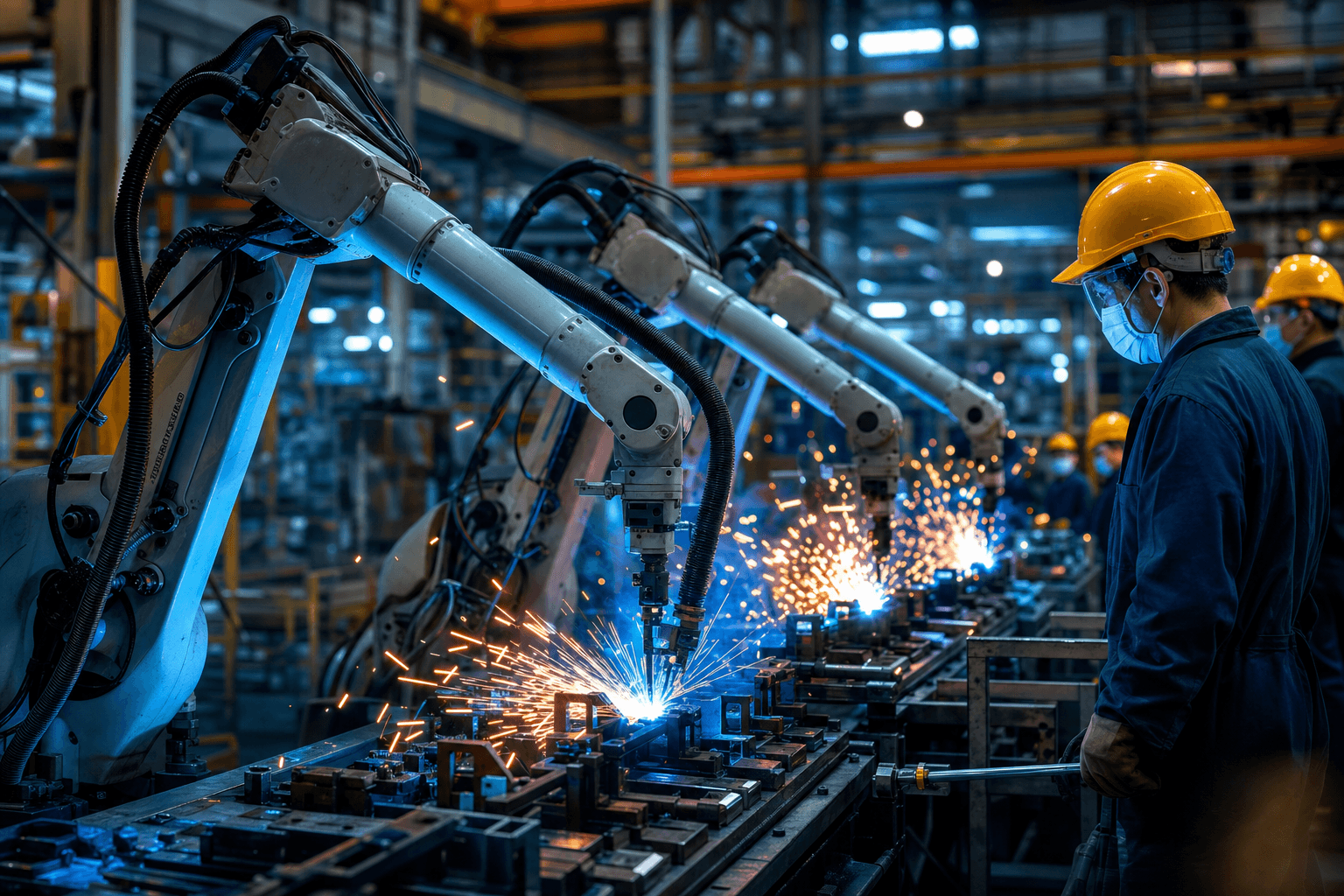
The landscape of industrial automation is undergoing a seismic shift with the integration of advanced robotics in manufacturing processes. Welding robots, in particular, are leading this transformation, promising enhanced productivity, precision, and safety. For procurement managers and supply chain leaders, understanding the role of these technological marvels in automation by 2026 is crucial for strategic planning and competitive positioning.
The Transformative Role of Welding Robots in Industrial Automation by 2026
Increased Adoption and Market Growth
Industry References
For deeper context on welding robots in automation standards and best practices, see:
AWS — American Welding Society
and
The Fabricator.
The adoption of welding robots is expected to rise significantly by 2026, with the global market likely reaching an estimated $8.22 billion, according to a report by Markets and Markets. This surge can be attributed to a growing emphasis on enhancing operational efficiency while reducing labor costs. The International Federation of Robotics (IFR) notes that industrial robot installations increased by 12% in 2022, highlighting a robust momentum towards automation.
Welding robots can execute complex welding tasks with a high degree of precision, reducing the possibility of human error. Unlike human labor, robots can work tirelessly in hazardous environments, further improving workplace safety standards. Such capabilities make them invaluable in sectors like automotive, aerospace, and heavy machinery, where precision welding is critical.
Technical Advancements and Flexibility
One of the most compelling reasons for the growing reliance on welding robots is their adaptability to different welding processes such as MIG, TIG, and laser welding. Modern robots are equipped with advanced sensors and artificial intelligence (AI), allowing them to dynamically adjust to real-time conditions on the manufacturing floor.
By 2026, expect robotics technology to further enhance the versatility of these systems. Factories like Dongji Intelligent Equipment in the factory capability overview, for example, now run 5 welding robots 24/7, demonstrating how mid-tier Chinese OEMs are closing the automation gap with European competitors. This move towards smart factories illustrates not only the technological capabilities but also the strategic shift towards full-fledged digital transformation.
Comparison of Welding Methods: Robotic vs Manual
While assessing welding processes, procurement managers often debate between robotic and manual welding. Here is a concise comparison:
| Aspect | Robotic Welding | Manual Welding |
|---|---|---|
| Precision | High precision with minimal errors | Prone to human error |
| Efficiency | Operates continuously 24/7 | Limited by labor shifts |
| Safety | Keeps workers away from hazards | Workers exposed to risks |
| Flexibility | Easily reprogrammable | Limited by human adaptability |
| Cost | High initial investment | Lower initial setup cost |
Although robotic welding requires a significant upfront investment, the long-term operational savings and productivity gains often outweigh the initial costs. Manual welding, on the other hand, remains feasible for small enterprises due to lower initial investments, but could struggle to compete with robotic efficiencies and quality over time.
Regulatory and Compliance Landscape
As the adoption of welding robots increases, regulatory bodies have begun drafting standards to ensure safety, quality, and consistency in welding operations. Compliance with standards such as ISO 9001 for quality management systems, and the new ISO/TS 15066 for collaborative robots, is crucial for manufacturers to ensure seamless integration of robotics in their factories. These standards not only guarantee product quality but also provide a framework for risk management and continuous improvement initiatives.
Moreover, national and international regulatory bodies are pushing for greener manufacturing practices. Incorporating robots helps reduce waste and improves efficiency, aligning with sustainability goals that are increasingly mandated by regulators and demanded by custom sheet metal manufacturer capabilities, workforce skills, and strategic goals. While the capital investment is significant, the payoff comes in the form of reduced labor costs, increased throughput, and enhanced product quality.
Furthermore, understanding the supplier landscape and technical specifications of the robotics systems is vital. Buyers should evaluate vendors based on their technical support, training services, and post-deployment maintenance commitments.
The path towards automation should not only be viewed as a cost-saving measure but as a strategic investment in competitive differentiation and resilience against market disruptions. As industry players look ahead, the question remains: how can welding robots not only enhance fabrication efficiency but also innovate product manufacturing methods?
sheet metal sourcing FAQs Questions
1. What industries benefit most from welding robots?
Welding robots are particularly beneficial in industries with demanding precision requirements such as automotive, aerospace, and heavy machinery. They offer improved accuracy, repeatability, and speed in production lines.
2. What are the common challenges in implementing welding robots?
Key challenges include the high initial setup cost, the need for skilled technicians, and potential disruptions during the transition phase. However, these are often outweighed by the long-term cost and productivity benefits.
3. How do welding robots contribute to sustainability?
Welding robots enhance sustainability by reducing material waste and energy consumption, thus supporting greener manufacturing practices. They also improve operational efficiency, aligning with regulatory demands for sustainability.
Further Reading
Have a specific procurement question? Our buyer FAQ
addresses common concerns around lead time, certifications, and DFM.
For factory verification standards, see our 12-step manufacturing process documentation.