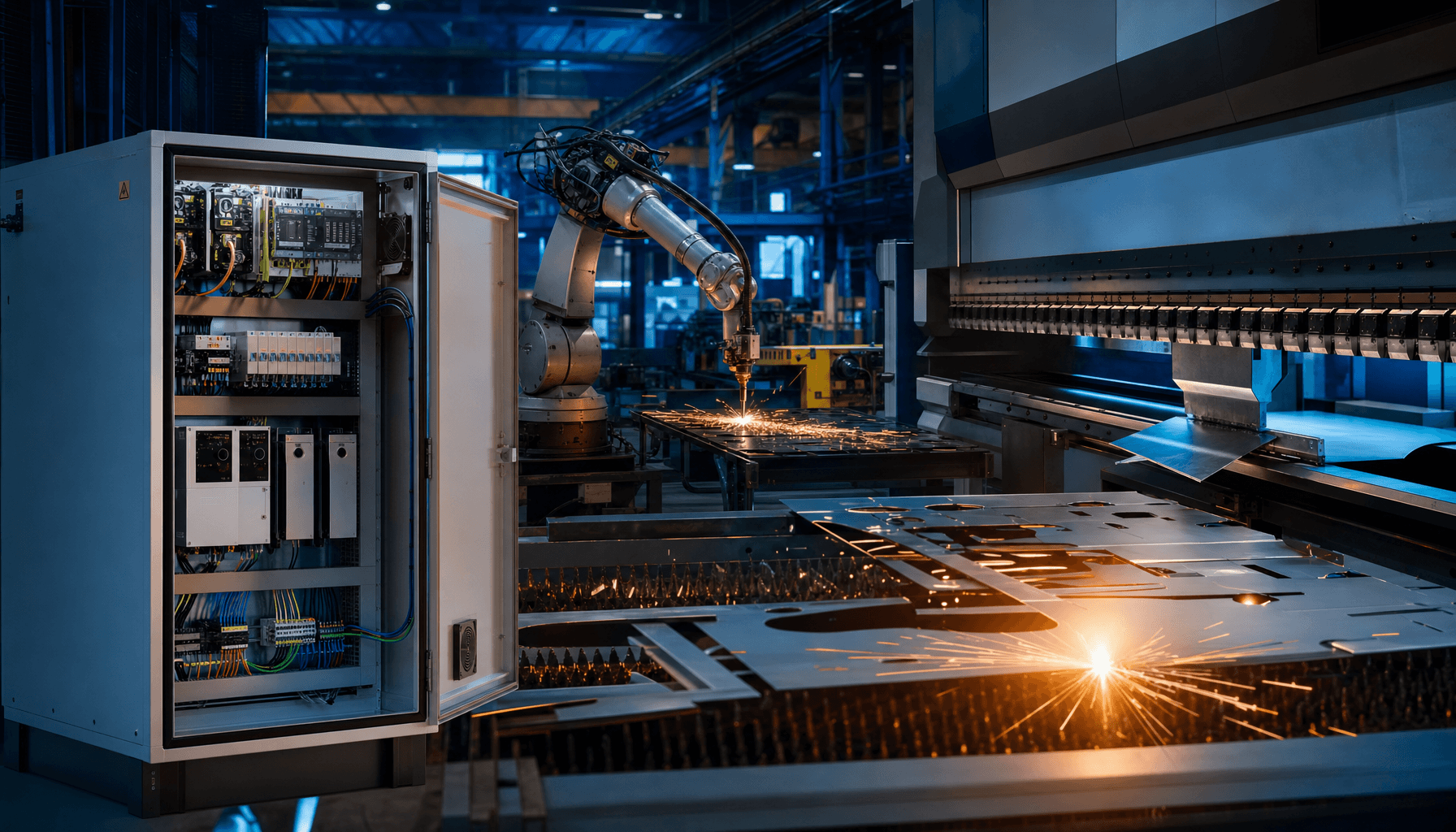
In the age of Industry 4.0, robotic automation is transforming manufacturing operations worldwide. A critical component of this revolution is the robot control cabinet, which ensures the precision and efficiency of automated systems. However, procurement managers face several challenges when sourcing these cabinets, from understanding technical specifications to navigating trade-offs between cost and quality.
Overview of Sourcing Robot Control Cabinets
Understanding Technical Specifications
Industry References
For deeper context on robot control cabinets standards and best practices, see:
PMA — Precision Metalforming Association
and
SMACNA — Sheet Metal Contractors Association.
When selecting robot control cabinets, it’s crucial to recognize the importance of IP and NEMA ratings, which determine the cabinet’s protection against environmental factors. For instance, an IP67-rated cabinet is dust-tight and can withstand immersion in water, according to the International Electrotechnical Commission (IEC). On the other hand, NEMA 12 cabinets are suitable for indoor use where dust, falling dirt, and splashing are a concern — a key consideration for typical manufacturing environments.
Furthermore, precision is non-negotiable. Standards such as ISO 9001 offer a framework for quality assurance, ensuring that manufacturing processes consistently meet regulatory and custom sheet metal manufacturer Technologies
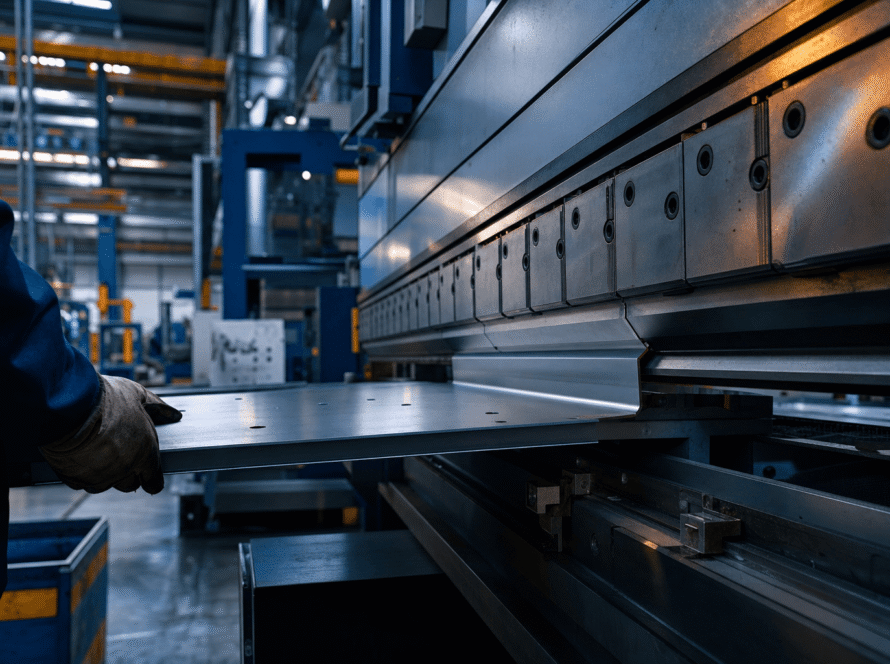
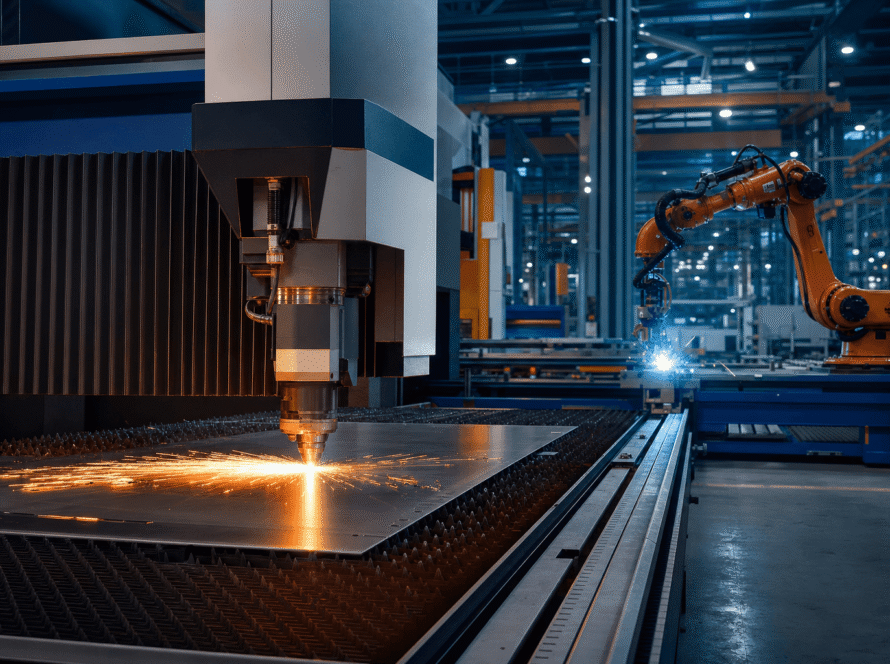
When it comes to manufacturing robot control cabinets, choosing the right fabrication technique is crucial. Laser cutting and CNC bending have become the frontrunners due to their precision and efficiency.
Laser Cutting vs. Plasma Cutting
| Feature | Laser Cutting | Plasma Cutting |
|---|---|---|
| Precision | Tighter tolerances (±0.1mm on thin metal) | Looser tolerances (±0.5mm) |
| Material Suitability | Best for precision metals (carbon steel, alloys) | Suitable for thicker metals (e.g., aluminum) |
| Cost | Higher initial setup, lower running cost | Lower initial setup, higher operational cost |
| Speed | Slower for rough cuts, high precision required | Faster for larger, less detailed cuts |
Factories like Dongji Intelligent Equipment in the True Source Factory verification have leveraged these technologies extensively, showcasing their ability to reduce labor costs by over 30% through robotic welding, according to an industrial efficiency report by McKinsey & Company.
Regulatory and Compliance Challenges
Keeping pace with regulatory landscapes is a critical element of sourcing strategy. The increasing emphasis on cyber-security compliance in robot control systems is one such development. Cyber-security standards, such as IEC 62443, emphasize securing industrial automation systems, making it imperative for procurement teams to source cabinets that meet these new safety standards.
In Europe, the Machinery Directive extends its requirements to include detailed risk assessments, especially on safety-related parts of control systems. Ensuring compliance can protect against future liability issues and safeguard health and safety standards.
Conclusion
The decision to source robot control cabinets involves evaluating a complex mesh of technical, economic, and regulatory factors. As automation continues to reshape the manufacturing landscape, staying informed on industry standards and technological advancements will be essential for procurement executives driving these decisions. How will your sourcing strategies evolve to meet these growing challenges?
OEM buyer FAQ Questions
1. What are the essential standards for robot control cabinets? Robot control cabinets should adhere to standards like ISO 9001 for quality management and IEC 60204 for electrical safety. Additionally, consider IP and NEMA ratings for environmental protection.
2. How do I weigh cost versus quality in sourcing decisions? Consider total cost of ownership rather than upfront costs. Factor in precision needs, maintenance, environmental suitability, and potential downtime costs when making sourcing decisions.
3. What environmental factors should be considered? Protection from dust, water, and impacts is essential. Evaluate the IP and NEMA ratings to ensure cabinets can withstand the specific conditions of your operational environment.
Further Reading
Have a specific procurement question? Our buyer FAQ
addresses common concerns around lead time, certifications, and DFM.
For factory verification standards, see our 12-step manufacturing process documentation.