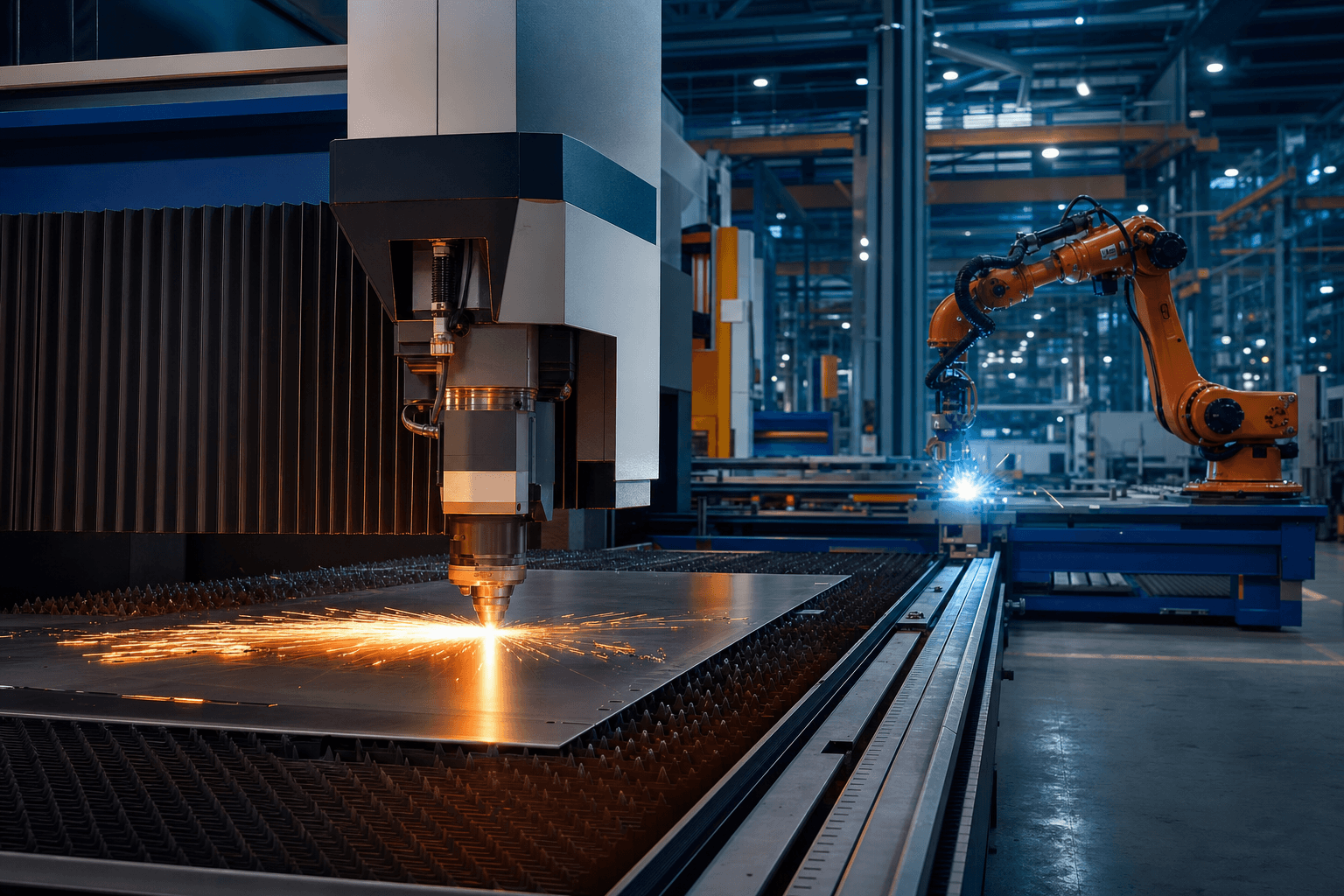
In today’s sheet metal fabrication industry, maximizing efficiency is crucial for staying competitive. One solution gaining traction is the integration of Manufacturing Execution Systems (MES) and Enterprise Resource Planning (ERP) systems. These advanced software solutions offer comprehensive visibility and control across manufacturing processes, from order intake to final delivery.
The Role of MES ERP Systems in Modern custom sheet metal fabrication
Bridging the Gap: MES and ERP Integration
Industry References
For deeper context on MES ERP systems in sheet metal standards and best practices, see:
SMACNA — Sheet Metal Contractors Association
and
AWS — American Welding Society.
MES and ERP systems serve different but complementary functions. ERP systems are designed to manage core business activities such as accounting, procurement, project management, and supply chain operations. On the other hand, MES systems focus on the shop floor, providing real-time monitoring and control of production processes.
Integrating these systems bridges the gap between corporate management and manufacturing operations. This integration streamlines data flow, enabling more informed decision-making and reducing downtime. According to a report by McKinsey & Company, manufacturers who successfully integrate MES and ERP systems can expect productivity increases of up to 25%.
Real-Time Data and Quality Control
One of the most significant advantages of MES ERP systems is the ability to capture and analyze real-time data. This data is crucial for tracking inventory, managing production schedules, and ensuring quality control. For instance, fabricators can monitor material usage, reducing waste and cost overruns.
Quality control is another area where MES ERP systems shine. Traditional clipboard-based inspections often lead to delays and inconsistencies. However, factories like Dongji Intelligent Equipment in the factory capability overview have adopted computerized systems to replace manual quality checks, resulting in faster identification of defects and reduced rework.
Meeting Industry Standards and Regulatory Compliance
Integration of MES ERP systems is not only about efficiency but also compliance. For example, ISO 9001 requires documented processes for quality management, and MES ERP systems provide a framework for capturing and maintaining these records digitally. With automated tracking and reporting, compliance becomes a byproduct of daily operations, significantly reducing the administrative burden.
Moreover, in highly regulated industries where traceability is vital, these systems ensure that every component’s path through production is recorded. This level of traceability is critical for standards like ISO 14001, which focuses on environmental management requirements.
Cost Implications and Investment Considerations
While the benefits are clear, the investment in MES and ERP systems can be substantial. According to S&P Global, the initial implementation costs can range from $150,000 to several million, depending on the scale and complexity of the operations. However, the long-term benefits frequently outweigh these costs, as companies often see significant reductions in labor, material waste, and overhead.
When considering such an investment, it’s essential to evaluate the total cost of ownership, which includes software licenses, training, maintenance, and potential upgrades. The choice between on-premises and cloud-based solutions also impacts costs and scalability.
Future Trends in MES ERP Evolution
The future of MES ERP systems lies in increased automation and data analytics capabilities. As more companies adopt Industry 4.0 practices, systems that integrate IoT sensors and machine learning will become the norm. These advancements enable predictive maintenance, real-time performance analytics, and a level of customization tailored to individual factory needs.
Factories that fail to adopt these technologies risk being left behind. On the flip side, early adopters who leverage these advanced capabilities could set new industry benchmarks for efficiency and innovation.
OEM buyer FAQ Questions
What are the main benefits of integrating MES and ERP systems in sheet metal fabrication?
Integrating MES and ERP systems provides real-time visibility into operations, improves quality management, reduces lead times, and ensures better compliance with industry standards.
How do MES ERP systems help in maintaining quality standards?
These systems automate tracking of production and quality data, enabling quick identification of defects and ensuring compliance with standards like ISO 9001.
What should companies consider before implementing MES ERP solutions?
Before implementation, assess costs, scalability, and compatibility with existing systems. Consider the total cost of ownership, including training and ongoing support, to ensure alignment with business goals.
About This Article
This analysis was prepared with reference to industry data from IFR, ISO, and McKinsey.
For related topics, see our 2026-2030 Industry Outlook
or browse manufacturing capabilities reference.