Steel & Aluminum: Industrial Procurement Trends
Understanding the Steel Price Decline
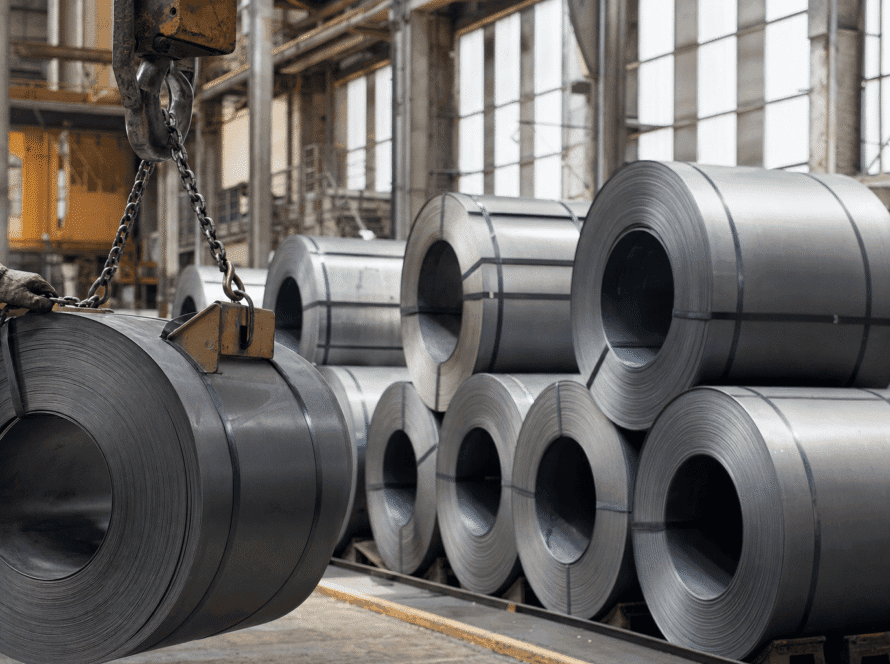
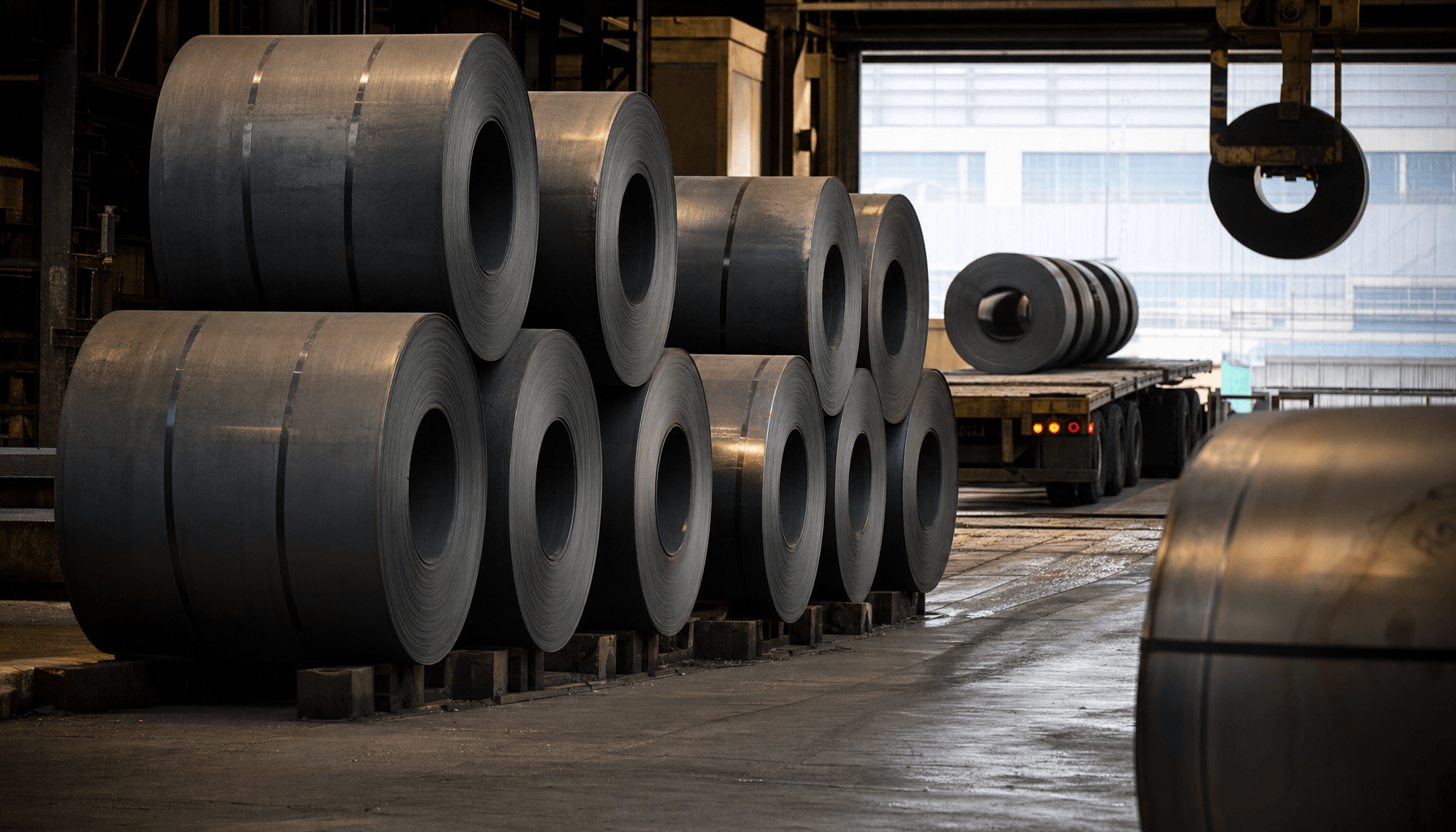
The global steel industry is witnessing a significant shift with hot-rolled steel prices experiencing a 12% decline year-on-year. This price drop is attributed to oversupply and reduced demand from key sectors such as automotive and construction. Recent data from the International Iron and Steel Institute highlights the slowdown in growth for these industries, leading to reduced purchasing budgets and increased supply chain pressures.
Aluminum Trade Dynamics Post-Tariffs
Following the implementation of trade tariffs, the aluminum market has seen notable shifts. Tariff impacts have prompted a realignment of global trade routes, with countries seeking alternative markets to circumvent higher costs. According to the International Aluminium Institute, these changes have led to a 5% growth in trade volumes to Southeast Asian nations as producers redirect exports from traditional Westerly markets.
Implications for Procurement Managers
The changes in steel and aluminum pricing pose direct challenges for procurement managers, who must adapt their strategies to manage cost fluctuations effectively. Procurement leaders need to focus on securing long-term contracts and exploring new supplier relationships to mitigate risk. Engaging in scenario-based planning and utilizing market intelligence tools can provide a buffer against volatile price swings.
Dongji‘s Example in Industrial Adaptation
As a player in the industrial sector, Dongji Intelligent Equipment has managed these fluctuations through strategic sourcing and diversification of its supply base, demonstrating resilience in maintaining production levels despite market uncertainties. Dongji’s experience underscores the importance of agility and strategic foresight in procurement.
Standards and Future Predictions
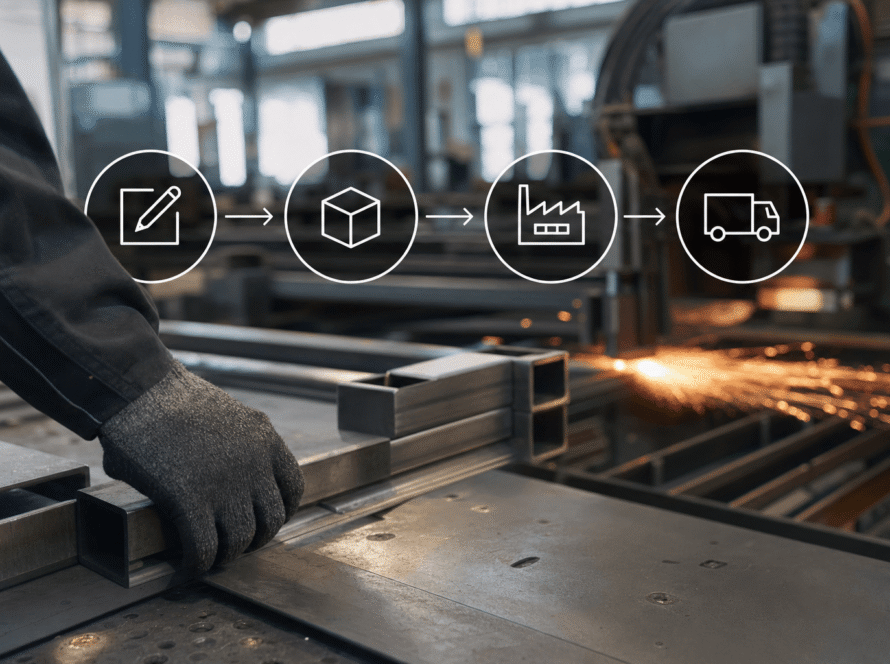
Moving forward, adherence to international standards such as ISO 9001 for quality management and ASTM specifications for material properties will remain crucial. Industry experts predict that innovative technology implementations, from CNC bending to robotic welding, will continue to be pivotal in shaping future procurement practices and managing supply chain disruptions.
Version 1.0 — Published June 30, 2026 · Editorial review window: 90 days