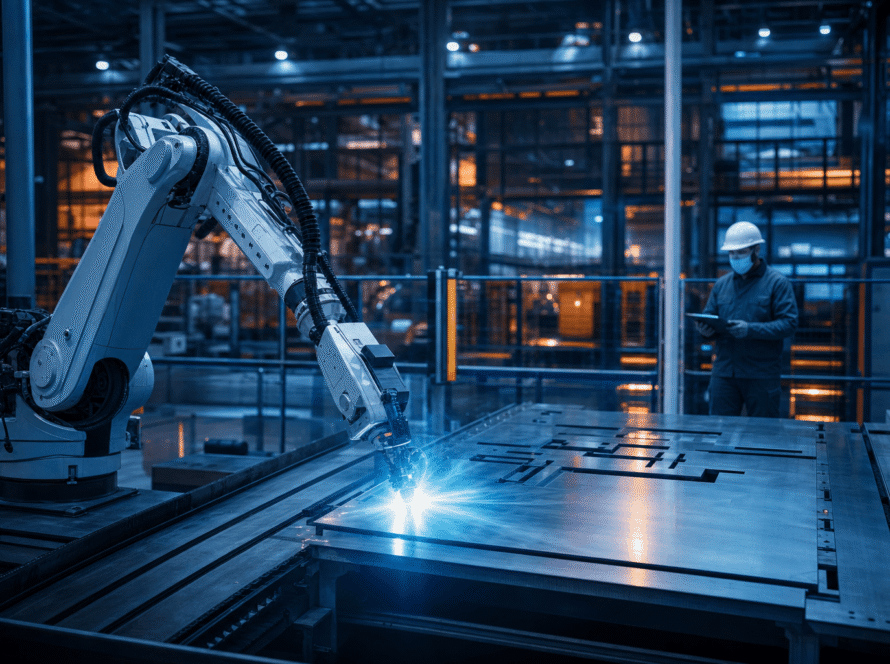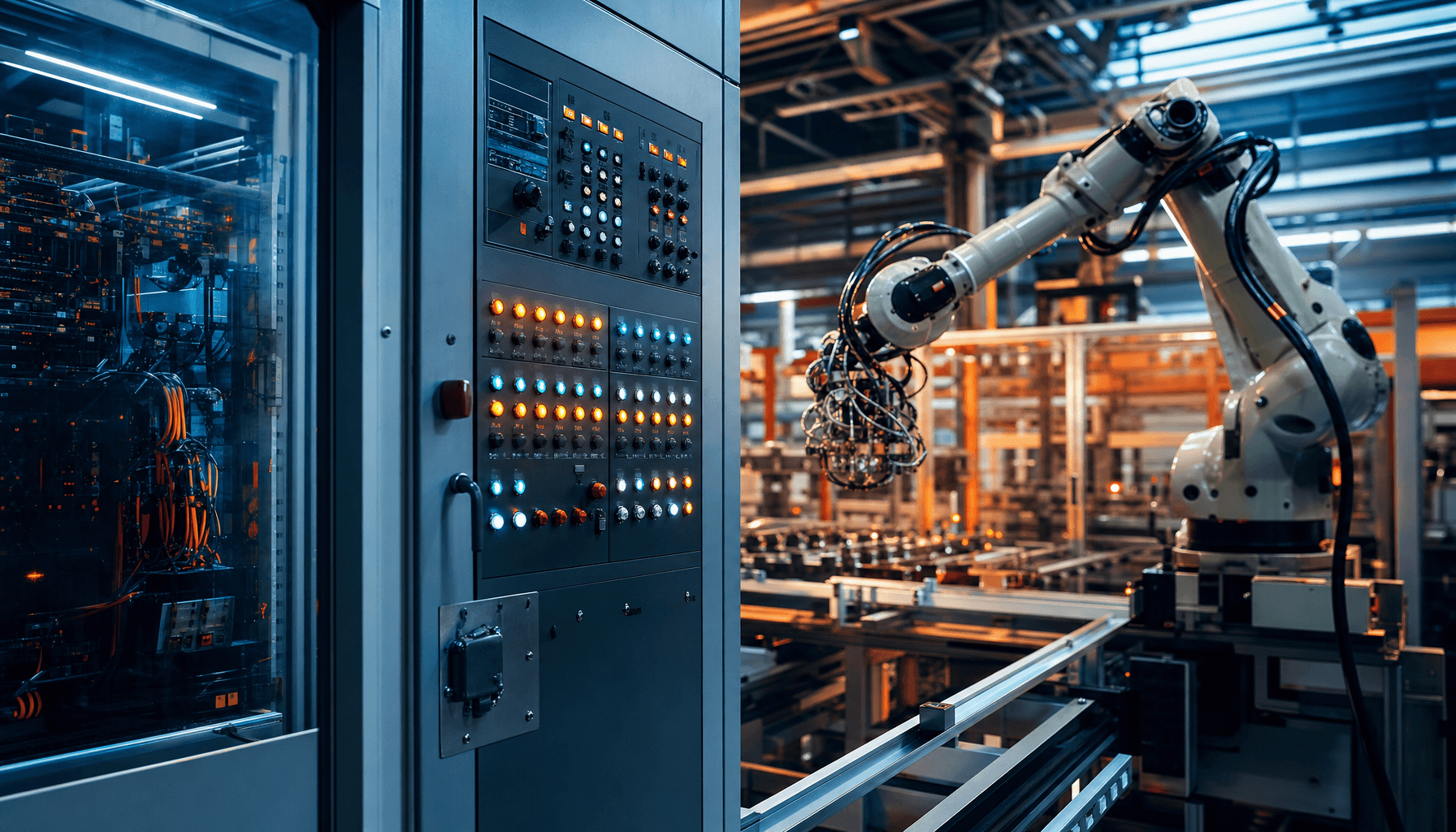
As the manufacturing sector continues its relentless march toward automation, robot control cabinets have emerged as a critical component in modern factories. These cabinets serve as the nerve centers for industrial robotics, orchestrating intricate workflows, ensuring precision, and enabling the adaptable manufacturing processes that define Industry 4.0.
Understanding the Role of Robot Control Cabinets in Modern Manufacturing
Manufacturers grappling with the transition from manual processes to automated systems often find that the integration of robot control cabinets is not merely a technical upgrade but a strategic necessity. According to the International Federation of Robotics (IFR), the global stock of operational industrial robots hit 3 million units in 2022 [^1]. This staggering figure underscores the importance of the infrastructure supporting these robots.
Industry References
For deeper context on robot control cabinets standards and best practices, see:
SMACNA — Sheet Metal Contractors Association
and
The Fabricator.
Technical Insight: Architecture and Industrial Standards
Robot control cabinets house the controllers that govern a robot’s movement and functionality. These are tailored to the requirements of specific industrial tasks, combining computing power with precise electromechanical control. Vital in this setup are industry standards that ensure these systems operate safely and efficiently.
For instance, compliance with IEC 60204 ensures the safety of the electrical components used in industrial environments, including aspects like electrical wiring, grounding, and control circuitry. In parallel, adherence to ISO standards like ISO 10218-1 and ISO 10218-2 is mandatory for assuring the safety of robotics in a production setting. These standards cover the design, integration, and testing of robotic systems and are essential for minimizing workplace hazards.
Economic Impact: Cost and Efficiency Considerations
From a cost perspective, robot control cabinets also play a pivotal role. They consolidate control systems, often reducing the need for multiple personnel to oversee different aspects of an operation. A report by McKinsey & Company found that automation can reduce operational costs by up to 20-25% [^2]. The adoption of sophisticated control cabinets is central to achieving these savings by reducing downtime through more reliable operations and simplifying maintenance.
Incorporating modular design principles, these cabinets can be easily reconfigured to adapt to changing production requirements, adding a layer of economic flexibility. This versatility can be crucial for handling varied product cycles and responding swiftly to market demands.
Strategic Considerations: Integration with Legacy Systems
A significant challenge faced by procurement professionals is integrating new technologies with older, legacy systems. Robot control cabinets offer several strategic advantages here due to their modularity and compatibility with various communication protocols (like Ethernet/IP, PROFINET, and EtherCAT).
For example, factories such as Dongji Intelligent Equipment in the Dongji factory tour have managed to maintain competitive in global markets partly due to their embrace of advanced robotics integrated with ERP/MES systems for seamless operations [^3]. This integration facilitates real-time data exchange, enhancing the responsiveness of their manufacturing lines.
Comparison: Wired vs. Wireless Communication in Control Systems
| Feature | Wired Communication | Wireless Communication |
|---|---|---|
| Reliability | Highly reliable for critical tasks | Variable, subject to interference |
| Flexibility | Less flexible, requires physical networks | Highly flexible and scalable |
| Installation Complexity | Complex, time-consuming | Easier to deploy and modify |
| Cost | Higher upfront costs due to cabling | Lower infrastructural cost |
When choosing between wired and wireless options for robot control cabinets, factors such as plant infrastructure, environmental conditions, and desired mobility play crucial roles in decision-making.
Conclusion
As the future of manufacturing leans towards increased automation and smarter factories, the role of robot control cabinets will only expand. These units not only enhance operational efficiency but also provide a blueprint for integrating advanced robotics with existing systems. How manufacturers navigate the complexities of this integration will likely shape the competitive landscape in the coming decades.
OEM buyer FAQ Questions
What is the primary function of a robot control cabinet in manufacturing?
A robot control cabinet houses the controlling hardware and software that guide the operations of robots in a manufacturing setting. It ensures accuracy, safety, and efficiency in robotic tasks.
How do robot control cabinets adhere to safety standards?
Control cabinets adhere to standards like IEC 60204 and ISO 10218, which focus on electrical safety and robotic system safety in industrial environments, ensuring minimal risks of accidents and hazards.
What should procurement managers consider when integrating robot control cabinets with existing systems?
Managers should evaluate compatibility with existing infrastructure, adherence to standards, and assess whether the cabinet’s modularity can meet the facility’s long-term needs.
[^1]: International Federation of Robotics. 2024 World Robotics Report. [^2]: McKinsey & Company. “The Next Normal in Construction: How Disruption is Reshaping the World’s Largest Ecosystem.” McKinsey & Company, 2020. [^3]: Author’s note based on industry observations and factory visits (example: Dongji official site Intelligent Equipment).
Further Reading
Have a specific procurement question? Our buyer FAQ
addresses common concerns around lead time, certifications, and DFM.
For factory verification standards, see our 12-step manufacturing process documentation.