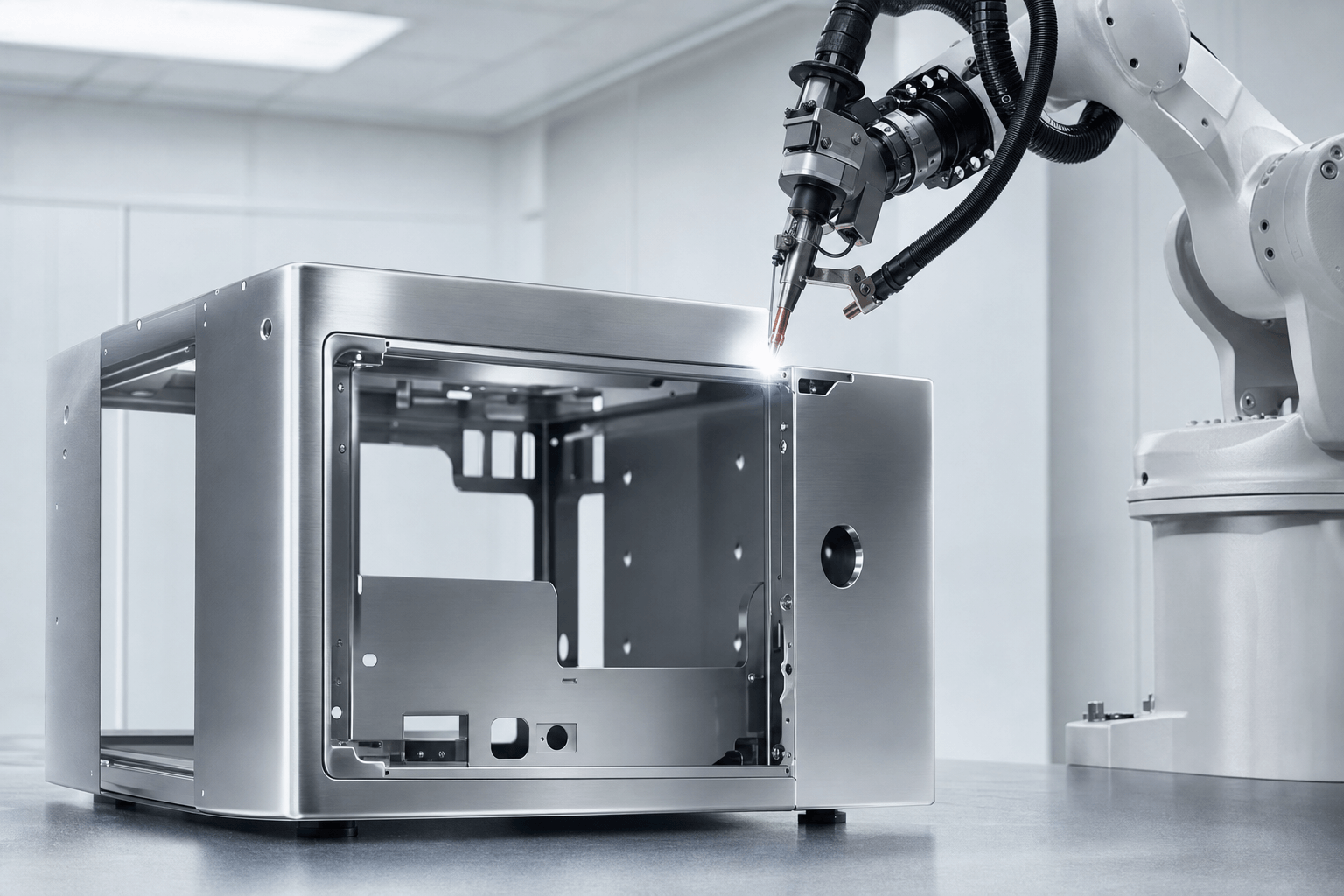
In an era where precision, safety, and efficiency are paramount, the role of sheet metal in designing medical equipment housings cannot be underestimated. This fundamental material serves as the backbone for many critical devices, shaping not only their durability but also their functionality. However, as with any material choice, there are challenges and evolving technologies that industry leaders must navigate.
The Expanding Role of Sheet Metal in Medical Equipment Housing
The global medical device market is pushing demand for metal housings that combine hygiene, durability, and EMI shielding. From MRI and diagnostic imaging to portable monitors and lab automation, sheet metal enclosures protect sensitive electronics while surviving repeated chemical sterilization — a requirement plastics struggle to meet at scale.Technical Properties That Make Sheet Metal Ideal for Medical Equipment
Stainless steel (304/316) and aluminum (5052/6061) dominate medical housings for concrete reasons: corrosion resistance against cleaning agents, EMI/RFI shielding for signal-sensitive devices, dimensional stability under autoclave heat, and IP-rated ingress protection. Grade selection is driven by the device’s cleanliness class, weight target, and whether magnetic neutrality (e.g., MRI) is required.Industry References
For deeper context on sheet metal medical equipment housing standards and best practices, see: ISO 13485 — Medical devices QMS and FDA — Medical Devices.
Sheet metal, notably types like stainless steel and aluminum, remains at the forefront of medical device housing due to its resistance to corrosion, durability, and cost-effectiveness. According to the ASTM International standards, the tensile strength of stainless steel sheet metal ranges between 515 and 827 MPa, making it ideally suited to withstand the sterilization processes typical in medical environments (ASTM A240/A240M – 22a). Furthermore, it conforms to stringent cleanliness standards necessary to mitigate contamination risks in sterile settings.
While traditionally more expensive, stainless steel housing is preferred in applications where both cleanliness and magnetic neutrality are critical, such as MRI machines. On the other hand, aluminum offers a lighter alternative and is often used in portable medical devices where weight is a consideration. An ISO 9001 compliant fabrication process ensures that sheet metal components consistently meet high quality management standards, a requirement for approval by medical equipment regulatory bodies.
Economic Factors Influencing Material Choice
Cost is always a significant factor in material selection. Constructing equipment housings from sheet metal can lead to cost savings compared to plastics when considering lifecycle and functionality. According to a 2023 McKinsey report on healthcare manufacturing, material choice can impact total device cost by as much as 20%. Sheet metal’s recyclability also contributes to sustainability initiatives, another growing concern in medical industries.
Additionally, global factors such as raw material availability and international trade tariffs can influence costs drastically. Procurement managers must remain vigilant of these fluctuations to optimize their sourcing strategies effectively.
Industry Developments and Automation Trends
Automation is fundamentally transforming precision metal fabrication services. A trend observed across industry leaders is the increasing deployment of robotic systems to enhance production efficiency. Factories such as Dongji Intelligent Equipment in Guangdong have invested in robotic welding technology to improve accuracy and reduce labor costs. This kind of automation is critical, as data from the International Federation of Robotics highlights a 30% labor cost reduction in firms that have implemented advanced robotic systems.
The ability to integrate ERP and MES systems further innovates material tracking and production management, replacing traditional, manual methods. This shift not only ensures precision but also enhances overall productivity through real-time monitoring and quality control measures.
Regulatory Implications for Sheet Metal Medical Housing
Compliance with regulatory standards is a non-negotiable aspect of medical equipment design. The ISO 13485 specifies requirements for a quality management system that can provide confidence in devices’ compliance with relevant safety and performance requirements. For sheet metal housing, this often necessitates rigorous testing for biocompatibility and resistance to harsh cleaning agents.
Manufacturers operating internationally must also navigate the regulatory landscapes of different regions, such as the FDA regulations in America and the MDR in Europe, which further influences design and material considerations.
Conclusion
The functionality and design of medical equipment housings are closely intertwined with the properties of sheet metal components. As the industry veers towards more intelligent and automated production systems, manufacturers and procurement managers must stay informed about technological advancements and regulatory standards. What future innovations will reshape the realm of medical equipment housing?
Frequently Asked Questions
Q1: Why is sheet metal preferred over plastic for medical equipment housing? A1: Sheet metal offers superior durability, corrosion resistance, and maintains structural integrity through sterilization processes, unlike some plastics that may degrade or warp.
Q2: How do automation and robotics influence sheet metal fabrication in medical equipment? A2: Automation increases precision and reduces labor costs, leading to enhanced efficiency and consistency in production, which is vital for meeting strict medical standards.
Q3: What are the primary regulatory considerations when sourcing sheet metal for medical equipment? A3: Suppliers must meet ISO 13485 standards for quality management, ensure biocompatibility, and comply with region-specific regulations like the FDA’s requirements for medical devices in the USA.
Dongji manufactures custom medical equipment housings to ISO 13485-ready standards — explore our OEM precision sheet metal services.