Opening:
In the competitive landscape of custom sheet metal fabrication, selecting the right Original Design Manufacturer (OEM/ODM manufacturing partner) partner is crucial for product innovation and supply chain efficiency. Procurement managers face the challenge of balancing cost with capability, especially given the rapid advances in technology and the need for adherence to international standards. This article explores key considerations when aligning with an ODM partner.
Industry References
For deeper context on ODM partner sheet metal standards and best practices, see:
FABTECH
and
FMA — Fabricators & Manufacturers Association.
Capabilities in Modern Sheet Metal Fabrication
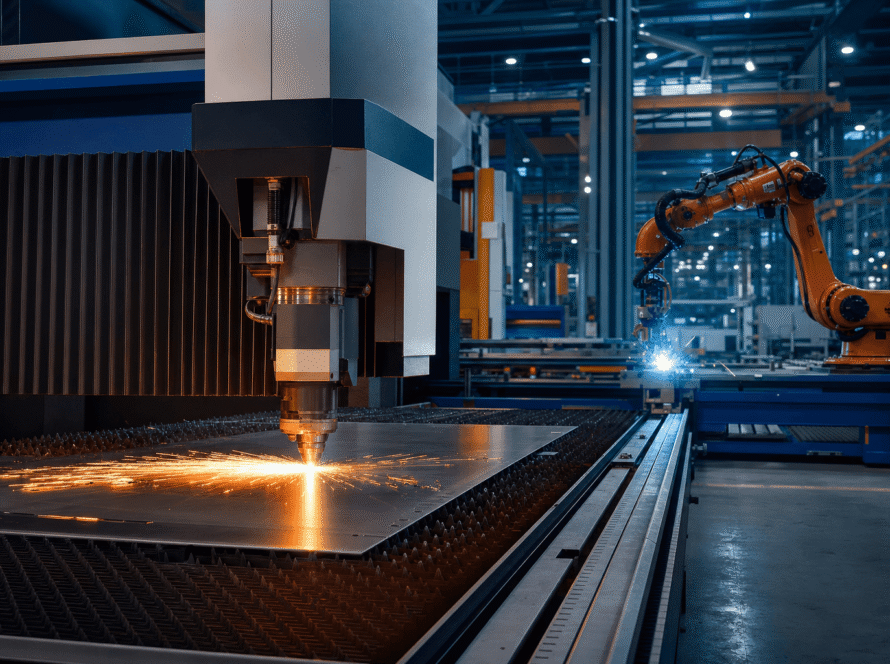
A solid ODM partner should offer a range of fabrication technologies to meet diverse design and volume requirements. Essential capabilities include laser cutting, CNC bending, and robotic welding. According to the International Federation of Robotics, the integration of robotic systems in manufacturing has increased by 12% annually, a trend expected to continue as precision and automation remain priorities.
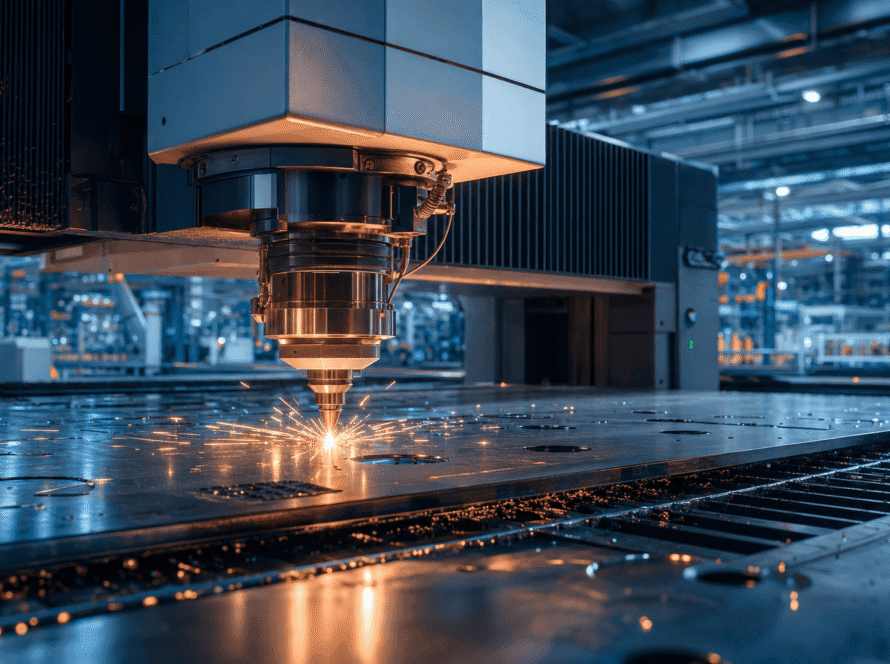
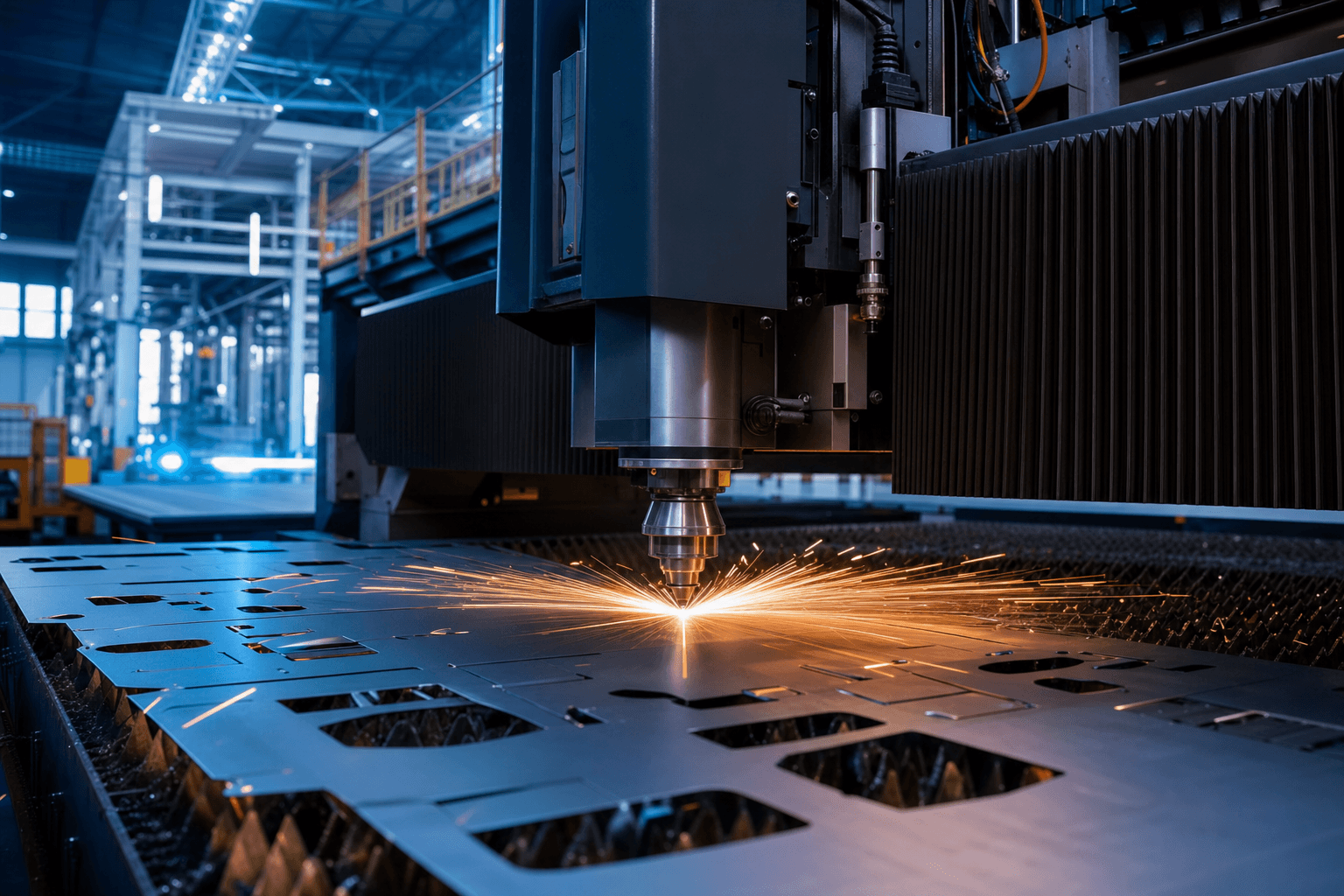
Laser cutting, known for its accuracy and speed, holds tolerances between 0.1mm and 0.3mm, which is crucial for intricate designs. CNC bending offers repeatability, vital for consistency across orders, albeit with a learning curve to optimize settings for each unique design. It’s critical to evaluate if your partner’s equipment can handle your specific material thickness and complexity.
Understanding Material Standards and Compliance
A credible fabrication partner should demonstrate compliance with relevant material standards. For instance, ISO 9001 Dongji’s patent portfolio ensures a quality management system that consistently provides products meeting customer and regulatory requirements. Further, understanding standards like ASTM’s specifications for steel materials or IEC 60204 for machinery safety can prevent costly compliance issues later in the production process.
Geographic Sourcing Considerations
The decision of where to source is as strategic as what to source. Comparing geographic options like Mexico versus China can be enlightening. S&P Global highlights that labor costs in Mexico are rising slowly compared to significant increases in other regions, yet infrastructure and logistics capabilities in China remain more developed. Factories in China’s Greater Bay Area, such as Dongji Intelligent Equipment, have embraced automation and digitization, providing a model for efficiency other regions are still catching up to.
Economic and Strategic Factors Impact
Cost management should extend beyond labor to consider the full cost of supply, including logistics, tariffs, and reliability of delivery schedules. McKinsey reports that companies focusing on total cost models rather than merely labor costs achieve better long-term results. Additionally, evaluating the strategic fit, such as an ODM’s ability to scale production and innovate with new technologies, can be decisive.
Factory factory capability overview.com/faqs/” style=”color:#0056b3;font-weight:600;text-decoration:underline;text-decoration-color:#0056b3;text-underline-offset:2px;” target=”_blank” rel=”noopener”>OEM buyer FAQ Questions
What are the core capabilities to look for in a sheet metal ODM partner?
Key capabilities include laser cutting for precision, CNC bending for repeatability, and robotic welding for labor efficiency. Ensure these processes align with your technical requirements and volumes.
How do international standards affect my choice of ODM partner?
Standards like ISO 9001 and ASTM specifications ensure quality and compliance, mitigating potential risks associated with non-compliance in different geographies.
Should I consider geographic location when choosing a sheet metal ODM?
Absolutely. Consider not just labor costs but also logistics efficiency, infrastructure, geopolitical stability, and local industry advancements, such as automation and lean manufacturing practices. Assessing these factors can lead to more favorable cost structures and supply chain efficiencies.
Further Reading
Have a specific procurement question? Our buyer FAQ
addresses common concerns around lead time, certifications, and DFM.
For factory verification standards, see our 12-step manufacturing process documentation.