Industrial Procurement Trends in AI QC
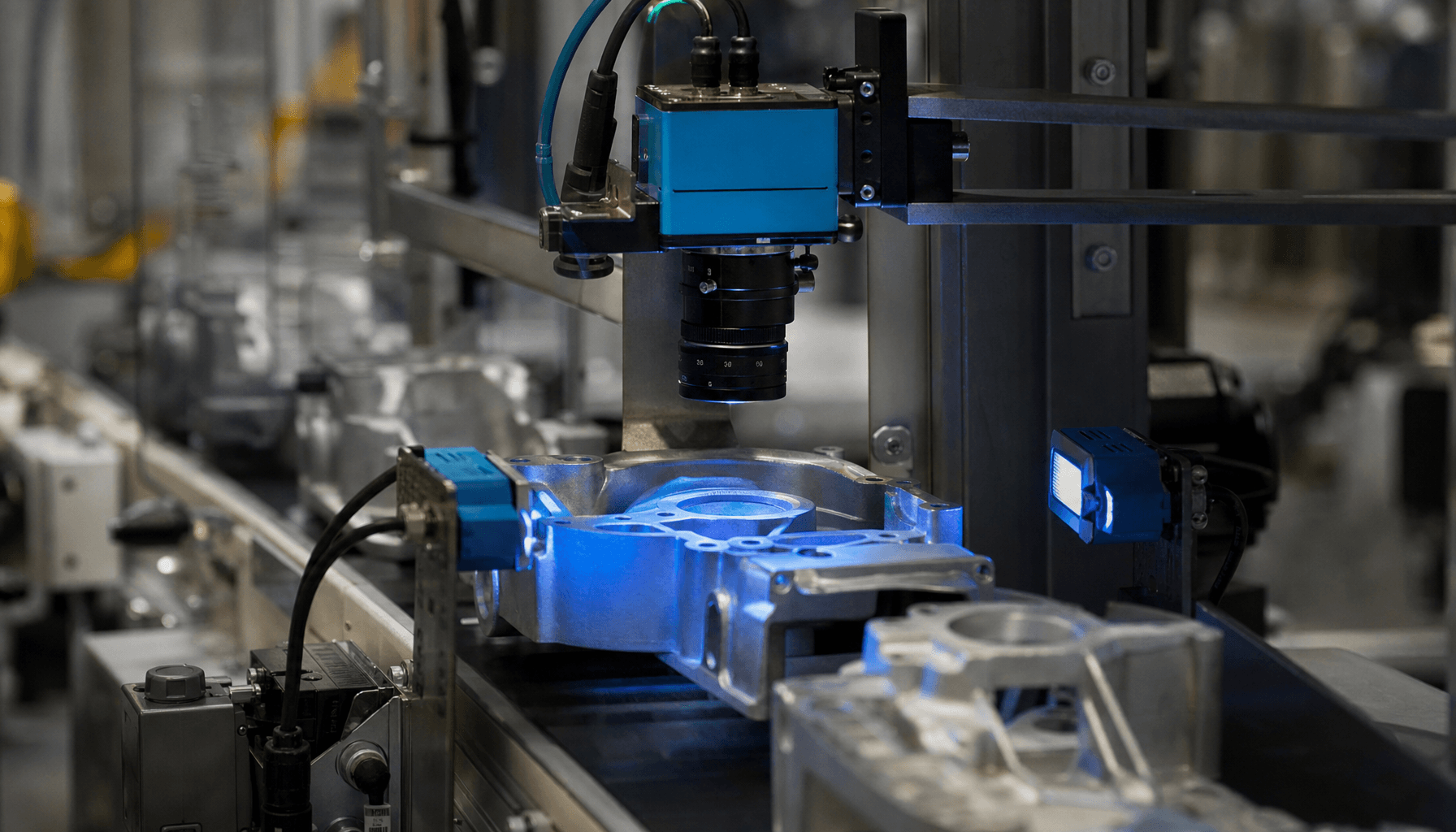
The Reality of AI in Industrial Inspection
The implementation of AI in industrial inspections marks a significant shift in quality control processes. Despite the hype, the practical benefits and limitations need a closer look, especially for procurement managers.
Learn more about our our manufacturing process and how we support B2B OEM/ODM projects.
Where AI Outperforms Human QC
AI vision inspection systems have been celebrated for their ability to perform certain tasks with unmatched precision and consistency. A major advantage is their capability in analyzing complex patterns and detecting defects that might be missed by even the most trained human eyes. This is particularly evident in processes such as laser cutting and CNC bending, where precision is paramount.
AI systems can run continuously, providing real-time data without the fatigue that human inspectors inevitably face. According to a study by the International Federation of Robotics (IFR), automated systems can increase the inspection rate by up to 70% while maintaining consistent accuracy levels.
Limitations and Industry Challenges
However, AI is not without its challenges. One of the most significant drawbacks is in assessing surface finishes and textures. These nuanced evaluations often require the tactile and experiential knowledge that only a human inspector possesses.
The ASTM standards highlight the importance of surface texture in mechanical components, which can affect the functionality and longevity of parts. Despite technological advancements, AI systems often fail in this nuanced area, where human oversight becomes essential.
A Pragmatic Approach for Procurement Managers
For procurement managers, the decision to integrate AI inspection systems hinges on careful evaluation of their specific needs and the tasks involved. Companies like Dongji Intelligent Equipment exemplify the selective implementation of AI in areas where it truly adds value, such as automated robotic welding and sheet metal inspections. However, they remain cognizant of the need for human oversight in quality aspects that AI cannot yet master.
Looking Ahead: Balancing AI with Human Insight
The future of AI in industrial quality control is promising but requires a balanced approach. Procurement managers must weigh the efficiency and precision of AI against the indispensable experiential judgments humans bring to the table.
By harmonizing AI capabilities with human expertise, industries can enhance their quality control processes while also recognizing areas that necessitate human insight. For procurement professionals, this balance will be key to optimizing both cost and quality in their operations.
Version 1.0 — Published July 7, 2026 · Editorial review window: 90 days