Impact of Kiosk Design on Throughput
Understanding Throughput in Quick Service Restaurants
In the fast-paced world of quick service restaurants (QSRs), speed and efficiency are paramount. A common pain point for procurement managers revolves around maximizing throughput without compromising on customer experience. Throughput, defined as the amount of material or items passing through a system or process, is critical in this context. For QSRs, it’s essentially about how quickly and efficiently customers can place orders and receive their meals. According to the International Organization for Standardization (ISO), optimizing throughput can significantly enhance overall operational efficiency.
Learn more about our our manufacturing process and how we support B2B OEM/ODM projects.
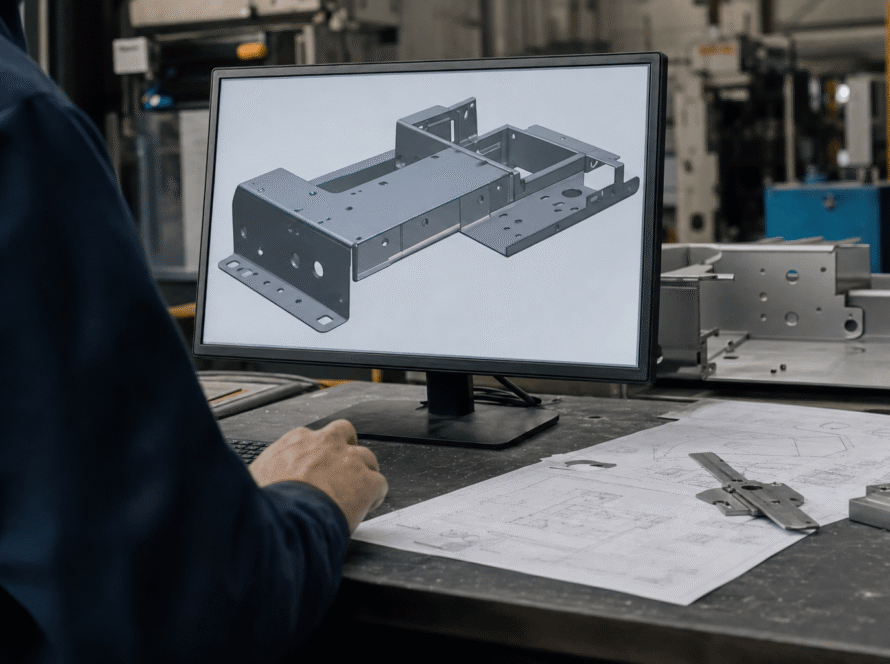
Learn more about our sheet metal fabrication services and how we support B2B OEM/ODM projects.
The Role of Self-Order Kiosks
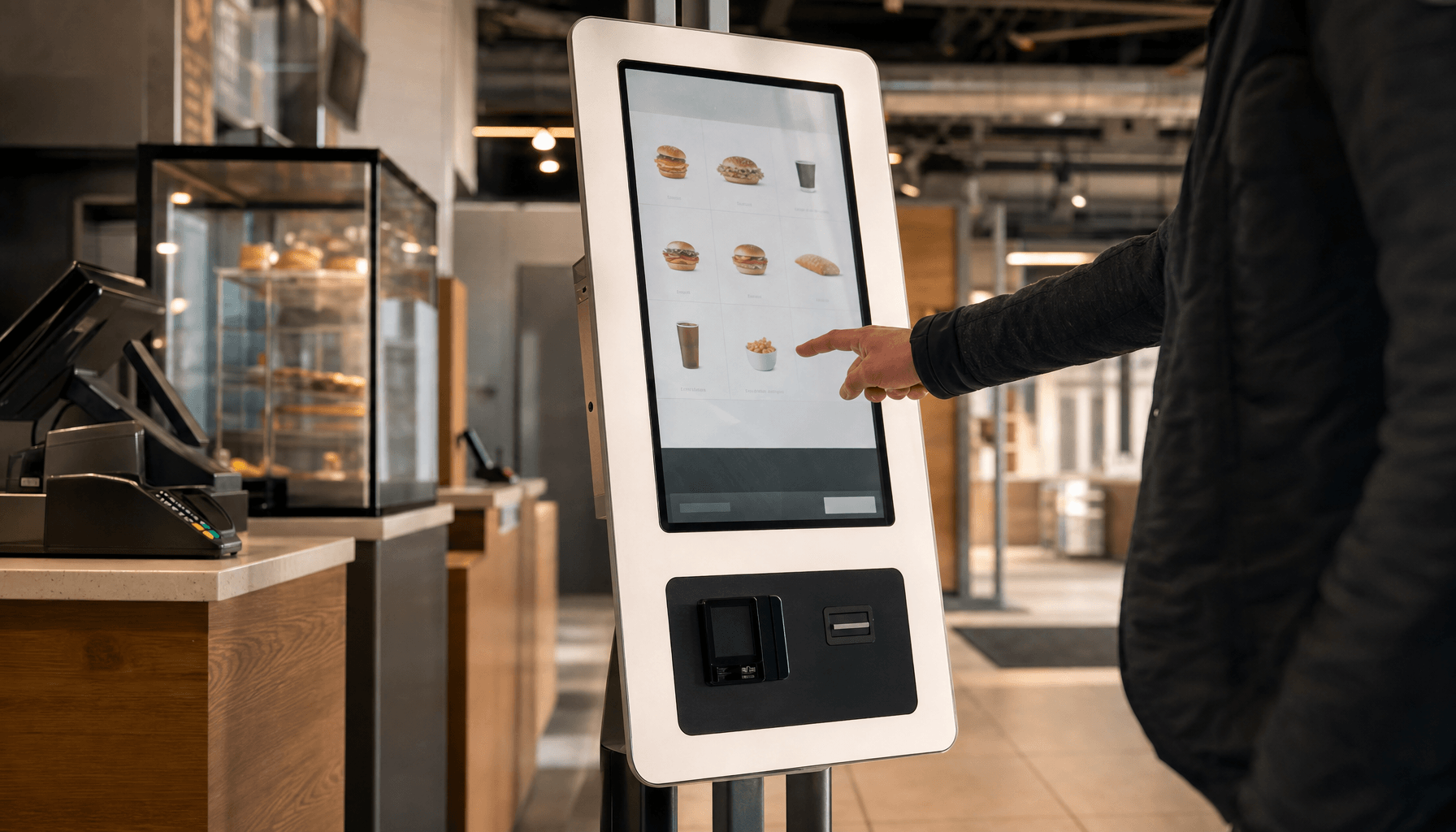
Self-order kiosks are increasingly becoming an integral part of QSRs, aiming to streamline ordering processes and reduce wait times. These kiosks allow customers to place their orders directly, thereby minimizing the need for extensive human interaction, which can improve both speed and accuracy. However, the effectiveness of these kiosks largely depends on factors such as the number of kiosks available and the size of their screens.
Impact of Kiosk Count
Industry research indicates that increasing kiosk numbers in high-traffic QSRs can lead to a notable rise in throughput. The more kiosks available, the less time customers spend waiting in line, and the more efficiently the staff can manage orders. This is particularly critical during peak hours when the demand surge can overwhelm traditional ordering systems.
Significance of Screen Size
The size of the kiosk screen also plays a crucial role. Larger screens can display more options simultaneously, thus reducing the time customers spend navigating the menu. According to standards set by the International Electrotechnical Commission (IEC), a well-designed user interface on kiosks helps in quick decision-making and smoother operation, enhancing the overall customer experience. Conversely, poorly designed interfaces can become bottlenecks, hindering potential throughput improvements.
Compliance with EMV and PCI-DSS Standards
Another critical aspect of utilizing self-order kiosks is ensuring compliance with industry standards like EMV and PCI-DSS. These regulations are essential for maintaining secure transactions and protecting customer data. Non-compliance can not only disrupt operations but also lead to significant financial penalties and reputational damage. Therefore, it is vital for businesses to partner with manufacturers who emphasize compliance in their designs. For example, Dongji Intelligent Equipment, a notable player in the industry, ensures that its kiosks meet these stringent standards, showcasing a broader trend towards security-focused innovation among manufacturers.
Conclusion: Prioritizing Throughput Over Features
Incorporating these considerations can help quick service restaurants optimize their throughput effectively. While the temptation to load kiosks with additional features is strong, B2B procurement professionals should remember that throughput beats features. Focusing on kiosk count, screen size, and compliance with industry standards will yield far greater returns in operational efficiency and customer satisfaction. Read the full analysis at sheet-metal-factory.com
Industry References
Version 1.0 — Published July 9, 2026 · Editorial review window: 90 days