In the age of automation and customized consumer experiences, vending machines have graduated from simple snack dispensers to sophisticated, smart service points. For 12-step DFM review process procurement managers, understanding the real timelines of vending machine production is crucial for optimal planning and execution of business strategies.
Navigating contract manufacturing partner Vending Machine Production Timelines
Several factors influence these timelines, including component complexity, production capabilities, material sourcing, and regulatory compliance.
Industry References
For deeper context on OEM vending machine production standards and best practices, see:
FABTECH
and
EVA — European Vending Association.
Technical Considerations in Production Timelines
The complexity of vending machines has escalated significantly due to consumer demand for connectivity, cashless payment systems, and customized graphics. According to a report by McKinsey (2023), the shift towards smart self-service equipment OEM systems has added an average of 20% more components than traditional vending machines.
#### Advanced Fabrication Techniques
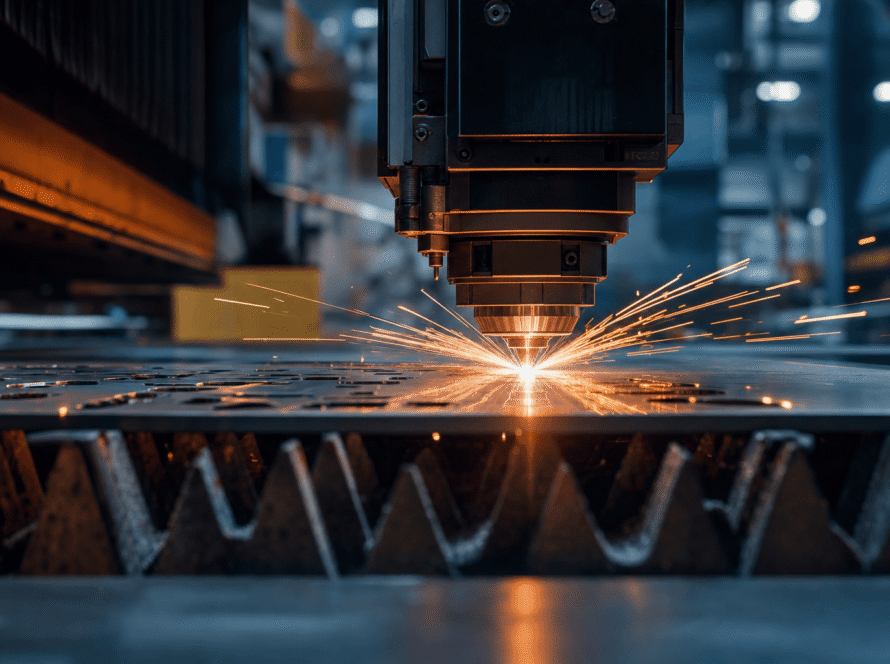
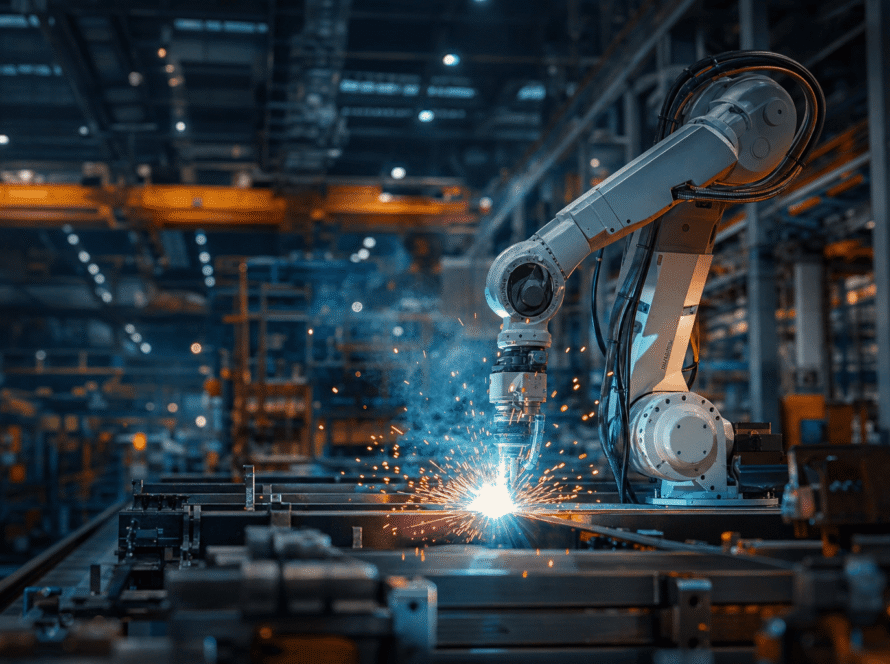
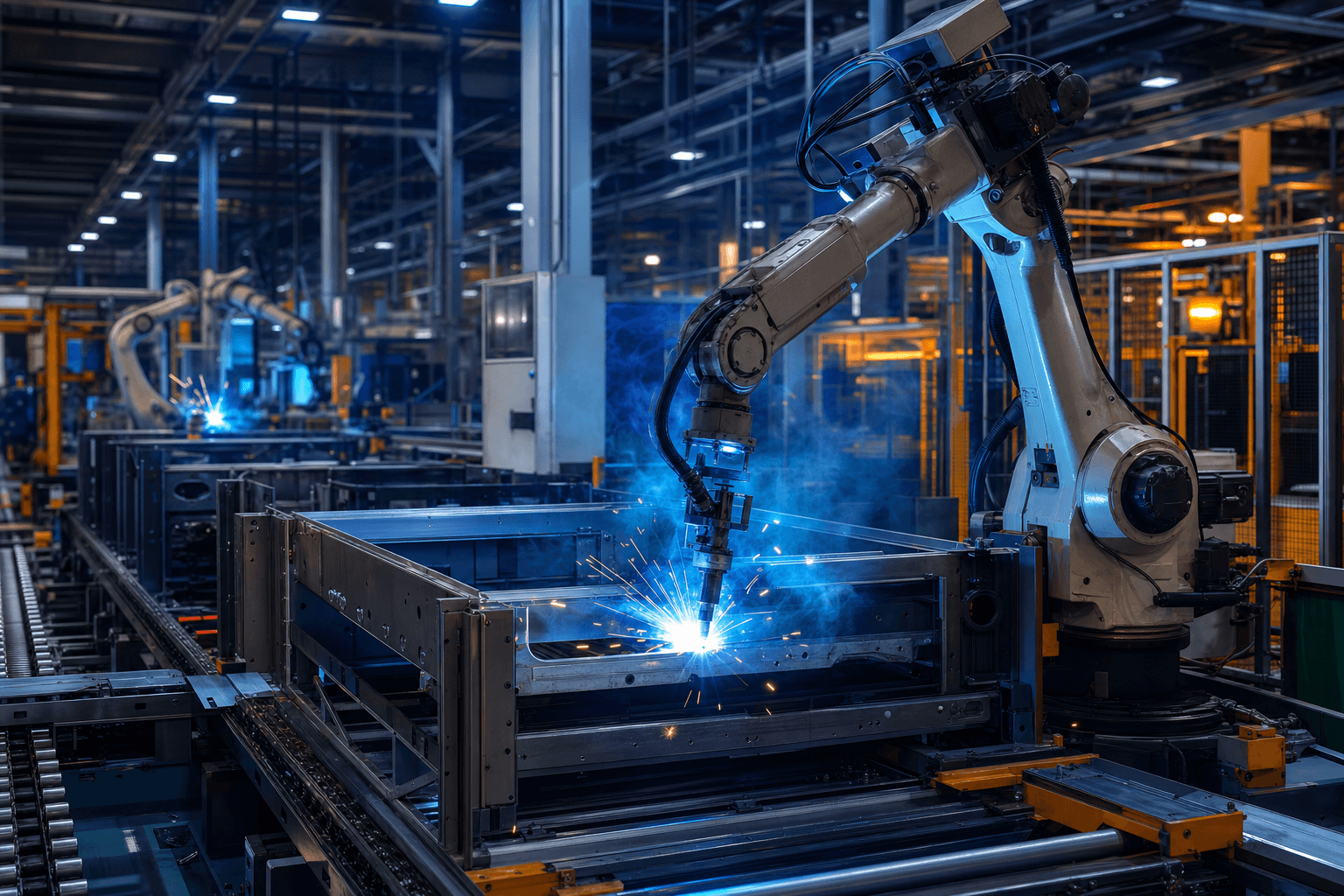
Technological advancements in laser cutting, CNC bending, and robotic welding have drastically shortened some phases of production. Factories like Dongji Intelligent Equipment in the our 30,000m² factory in the Greater Bay Area, for instance, have harnessed these techniques to reduce fabrication times significantly, employing robotic welding to account for over 30% of labor reduction across fabrication.
The precision of laser cutting (expect tolerances of about ±0.1 to ±0.2mm on mild steel under 6mm thickness) ensures a faster assembly line, reducing the need for extensive quality control rechecks. However, understanding the capabilities and limitations of laser machining versus alternatives like waterjet cutting can be crucial. Waterjet, while slower, is ideal for cutting thicker materials without thermal distortion but might extend timeline due to longer cutting times.
Economic and Sourcing Factors
Sourcing components globally versus locally affects production timelines significantly. An S&P Global report from 2022 highlights that a majority of OEMs face a 6-week delay on average when sourcing complex electronic components internationally, as opposed to 3 weeks when sourcing locally.
#### Cost and Efficiency
The decision between local and international sourcing must weigh the balance between cost and efficiency. Mexico’s manufacturing sector, for instance, has gained traction as an alternative to China due to its closer proximity to the U.S. market, reducing shipping times and costs significantly. On the flip side, Chinese manufacturing might offer cost reductions in bulk electronic components, but at the expense of longer shipping times and potential tariffs.
Regulatory and Compliance Considerations
Ensuring compliance with international standards like ISO 9001 (Quality Management Systems) and IEC 60204 (Safety of Machinery) is critical. These standards not only ensure product quality but also streamline production processes by eliminating bottlenecks related to non-compliance penalties. The ISO9001/CE/UL/FCC certified process itself may take several weeks, contingent on the preparedness of the manufacturing plant.
Regulatory compliance can particularly impact production timelines if overlooked. For example, vending machines incorporating refrigeration units must comply with the Energy Star certification in the U.S., adding additional testing and verification periods.
Strategic Planning for Production
Understanding these influencing factors equips procurement managers to better anticipate challenges and adapt strategies accordingly. Collaboration with manufacturing partners should go beyond transactional relationships to strategic alliances, emphasizing transparency and real-time communication.
Factories are increasingly adopting ERP/MES systems to improve production transparency and lead-time accuracy. These digital solutions enable real-time tracking and optimization opportunities, though they require initial investment and training.
Conclusion
Navigating OEM vending machine production involves astute planning and a thorough understanding of the diverse factors at play. As the industry moves towards more integrated and smart service solutions, timelines will continue to evolve. Should OEMs start viewing digital transformation in manufacturing as a cost center or as an essential growth strategy?
OEM buyer FAQ Questions
1. How can I better estimate the production timeline for vending machines?
Understanding the complexity and requirements of your vending machines is crucial. Collaborate closely with your manufacturing partner by clearly defining specifications and confirming component availability early on in the process.
2. What are the main challenges in sourcing components for vending machines?
Beyond price, consider logistical considerations and lead times. Electronic components often face the most significant delays, especially when sourced internationally, due to shipping times and potential trade tariffs.
3. Which compliance standards should I consider for vending machines?
Focus on ISO 9001 for quality management, IEC 60204 for machinery safety, and specific environmental certifications like Energy Star for machines with refrigeration units. Non-compliance can result in fines and rework, impacting time and costs.
About This Article
This analysis was prepared with reference to industry data from IFR, ISO, and McKinsey.
For related topics, see our 2026-2030 Industry Outlook
or browse manufacturing capabilities reference.