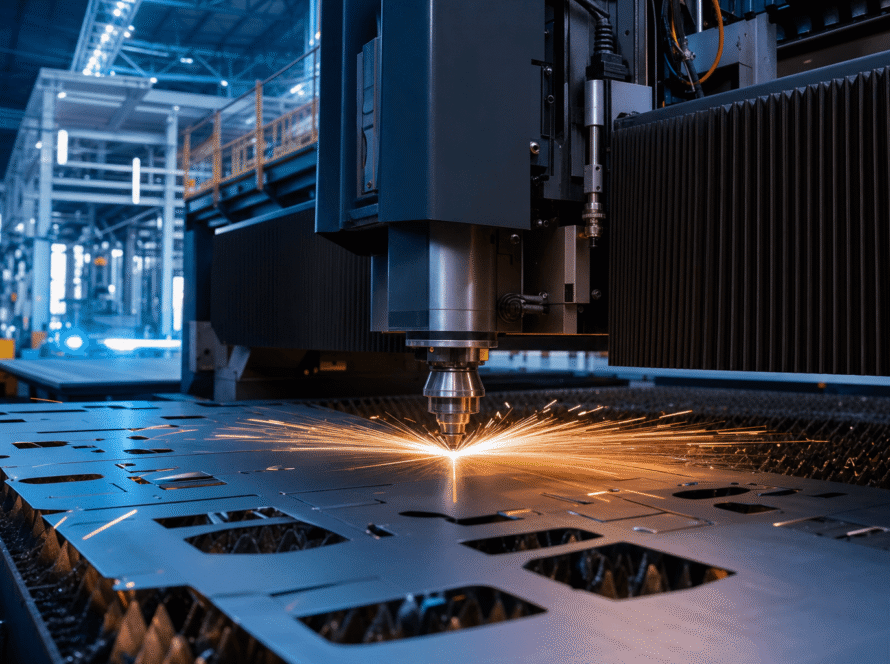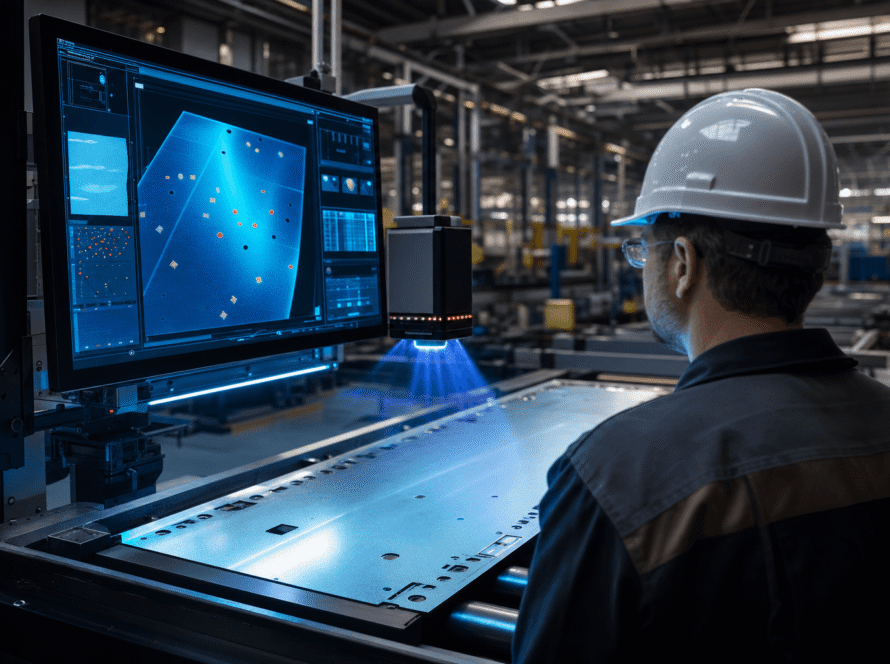
In the pursuit of higher efficiency and cost-effectiveness, procurement managers and contract manufacturing partner designers are witnessing a dramatic shift toward robotic welding automation. This trend is not only a response to rising labor costs but also a strategic move to improve quality and consistency in production processes.
Robotic Welding Automation: Hitting the Tipping Point
The Economic Imperative
Industry References
For deeper context on robotic welding automation standards and best practices, see:
ISO — International Organization for Standardization
and
SME — Society of Manufacturing Engineers.
Rising global demand for automated solutions in welding is largely driven by the pursuit of cost savings. According to the International Federation of Robotics (IFR), the global market for industrial robots is projected to grow at a CAGR of 11% from 2023 to 2028. Automation, particularly in welding, can drastically reduce labor costs, which currently represent a significant portion of overall manufacturing expenses. Moreover, the use of robots can increase output with precision and speed that are challenging to achieve with manual techniques.
One case illustrating this transition is how certain Chinese factories, such as Dongji Intelligent Equipment in the Dongji factory tour, have implemented robotic welding to replace manual labor. This change accounts for over 30% of fabrication labor reduction across the industry. Such investments reflect a broader regional pattern, positioning mid-size Chinese OEMs to compete more effectively on a global stage.
Technical Advantages of Robotic Welding
From a technical perspective, robotic welding units deliver several key advantages. The precision of robotic arms results in superior quality welds, meeting stringent standards like ISO 9001 for quality management. The ability to maintain a steady hand during welding ensures fewer defects and less waste material.
Statistics from the American Welding Society (AWS) highlight a tolerance of ±0.5mm in robotic welding, compared to manual welding that often results in greater variance, especially in high-volume production runs. This repeatability is critical in industries where rigidity and endurance are vital, such as automotive and aerospace sectors.
Comparing Technologies: Robotic vs. Manual Welding
Efficiency gains, however, are not the sole factor in the transition. Incorporating robotic welding requires an upfront investment in both machinery and skilled personnel to operate and maintain the technology. Here’s how robotic welding stacks up against manual methods:
| Aspect | Robotic Welding | Manual Welding |
|---|---|---|
| Precision | ±0.5mm tolerance | Higher variance |
| Labor Requirement | Lower overall | High |
| Initial Investment | High | Low |
| Consistency in Output | High | Variable |
| Flexibility | Moderate (programming) | High |
It is important for procurement specialists to factor in the lifecycle cost savings offered by robotic systems. The initial investment is often offset by long-term performance improvements and reduction in material wastage.
Navigating Regulatory Compliance
In addition to economic and technical considerations, regulatory standards play a crucial role in welding processes. Compliance with industry regulations such as the IEC 60204 standards for safety demands enhanced focus. The deployment of robots introduces new challenges, including maintaining safety barriers and ensuring machines are correctly programmed and stabilized.
As more manufacturers adopt robotic solutions, the emphasis on safety standards is becoming vital. New automation tools are now being built-in with safety features that comply with NEMA 250 and other relevant directives, ensuring a safer environment for both machines and operators.
In conclusion, the transition to robotic welding automation is not merely a trend but arguably a necessity driven by economic pressures and advancements in technology. However, managers must consider not only the immediate technical benefits but also the long-term strategic advantages, regulatory compliance, and potential for innovation.
What remains crucial is understanding how these shifts impact procurement strategy and adjusting operations accordingly. With continued advancements and growing accessibility, will robotic welding automation define the future standard in fabrication?
common manufacturing questions Questions
Q1: How does robotic welding improve production efficiency?
Robotic welding improves production efficiency by increasing the speed and precision of welding operations, reducing the incidence of defects and rework, and lowering labor costs over the long term.
Q2: What key factors should be considered when transitioning to robotic welding?
When transitioning to robotic welding, consider upfront investment costs, required training for operators, integration capabilities with existing processes, as well as compliance with relevant industry standards.
Q3: Are there any regulatory concerns associated with robotic welding?
Yes, regulatory concerns include ensuring compliance with safety standards such as IEC 60204, and implementing necessary safety measures like protective barriers and emergency stop systems to safeguard both personnel and equipment.
Further Reading
Have a specific procurement question? Our buyer FAQ
addresses common concerns around lead time, certifications, and DFM.
For factory verification standards, see our 12-step manufacturing process documentation.