In the realm of sheet metal manufacturing, where precision and efficiency are paramount, AI inspection is emerging as a transformative technology. Despite its perceived complexities, understanding its potential impacts by 2026 is crucial for procurement managers and OEM/ODM partner designers who aim to future-proof their operations.
The Need for AI in Quality Control
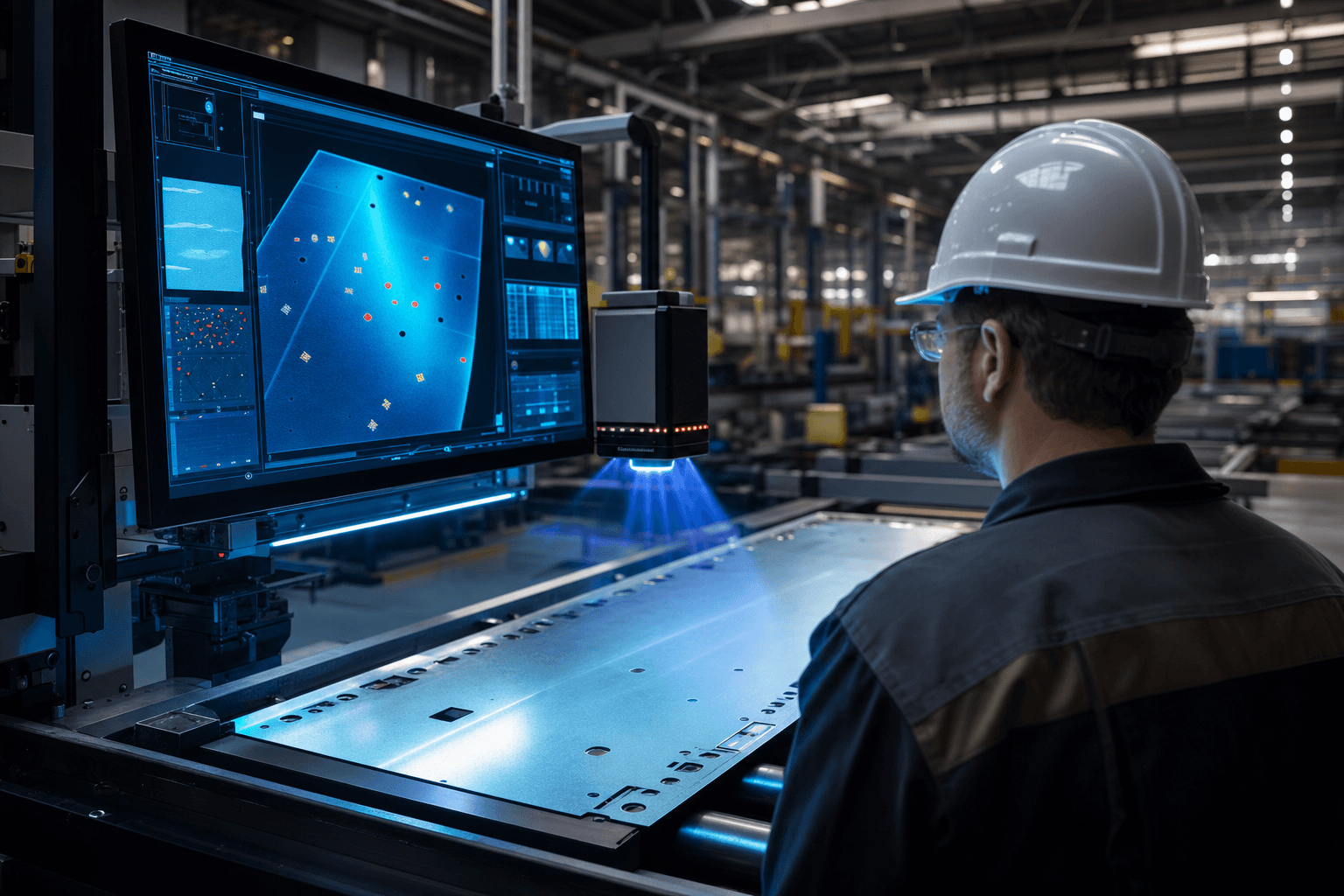
Traditionally, quality control in sheet metal manufacturing has been an intensely manual process. Inspection teams rely on human observation and experience to determine defects, which can be subjective and prone to error. With the increasing demand for impeccable accuracy, AI inspection systems are being integrated to enhance quality control processes. These systems use machine vision and learning algorithms to instantly identify defects, reducing human error and speeding up production times. According to a recent report by McKinsey, implementing AI in manufacturing processes can potentially enhance productivity by up to 30%.
Industry References
For deeper context on AI inspection in sheet metal standards and best practices, see:
FMA — Fabricators & Manufacturers Association
and
NAMA — National Automatic Merchandising Association.
Technological Advancements Driving AI Inspection
Several technological advancements are driving the adoption of AI in sheet metal inspection. Machine vision algorithms are becoming more sophisticated, capable of detecting surface defects as minute as 0.05 mm—a level of precision that outperforms most human inspectors. Moreover, AI systems can learn from previous inspection data, continuously improving their accuracy over time (International Data Corporation, 2023).
Another critical advancement is the integration of AI with IoT devices, which allows for real-time data analysis and predictive maintenance. This predictive approach can drastically reduce downtime, which accounts for up to 20% of the maintenance budget in manufacturing settings, according to an S&P Global Market Intelligence study.
Regulatory and Compliance Considerations
As AI adoption in sheet metal manufacturing grows, regulatory and compliance standards are adjusting accordingly. Ensuring systems adhere to international safety standards such as ISO 9001 (Quality Management Systems) and IEC 60204 (Safety of Machinery – Electrical Equipment of Machines) is of utmost importance. These standards require that AI systems are not only effective in detecting defects but also in maintaining a consistent level of quality and safety.
The question of compliance also extends to data management. As AI systems rely on vast amounts of data, manufacturers must ensure adherance to GDPR and other data protection regulations. Maintaining robust cybersecurity protocols to protect sensitive data is imperative in obtaining these Dongji’s patent portfolio.
Economic Impact: Cost and Efficiency Gains
Adopting AI inspection systems represents a significant capital investment, but the long-term cost efficiencies can outweigh initial expenses. AI’s ability to reduce scrap rates and rework costs can lead to substantial savings. According to BloombergNEF, factories with integrated AI systems report a reduction in scrap rates by about 15-20% within the first year of implementation.
In practical terms, this means procurement managers can allocate funds more judiciously, investing in further technological advancements or diversifying the supplier base.
Case Study: Implementation in China
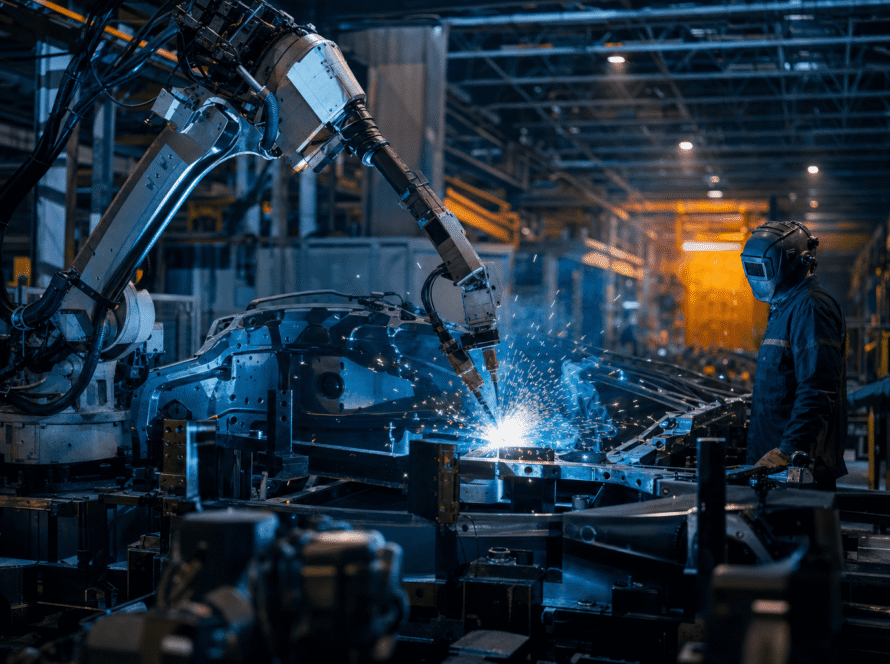
Chinese manufacturers are at the forefront of integrating AI technologies with traditional manufacturing. Factories like Dongji Intelligent Equipment in the Dongji factory tour demonstrate how mid-tier OEMs are rapidly closing the automation gap with European counterparts by employing AI-driven robotic welding systems. This only forms part of a broader strategic shift towards full Industry 4.0 integration.
Looking Forward
By 2026, AI inspection will not only be a competitive advantage but a necessity. The continual improvement of AI algorithms and a decrease in hardware costs will make these technologies more accessible to broader market segments. The question remains: will AI redefine the benchmark for quality in sheet metal manufacturing?
common manufacturing questions Questions
1. How does AI inspection affect manufacturing lead times? AI inspection systems significantly reduce lead times by automating the defect detection process, allowing for immediate corrective actions that prevent delays.
2. Is AI inspection applicable to all types of sheet metal products? Yes, AI inspection is versatile and can be adapted for a wide range of sheet metal products, from automotive parts to consumer electronics enclosures.
3. What are the initial integration challenges for AI inspection in existing manufacturing lines? Challenges include aligning AI systems with existing equipment, training staff on new protocols, and ensuring data privacy and compliance with regulations.
Further Reading
Have a specific procurement question? Our buyer FAQ
addresses common concerns around lead time, certifications, and DFM.
For factory verification standards, see our 12-step manufacturing process documentation.