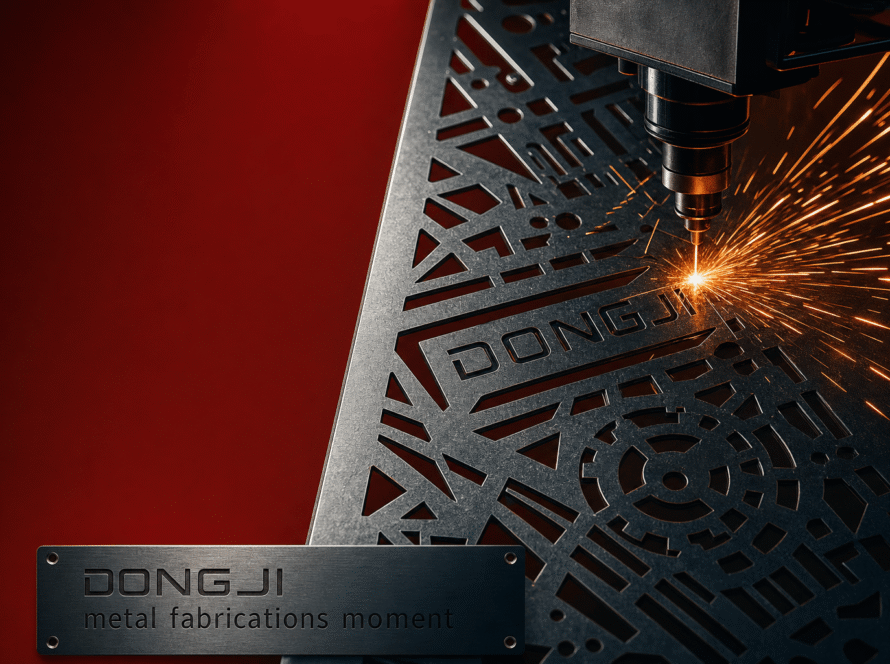
![industrial laser cutting - [object Object] | Dongji Intelligent Equipment](https://sheet-metal-factory.com/wp-content/uploads/2026/07/dongji-industrial-laser-cutting-1783347555051.png)
📰 Source Attribution:
Original reporting by Google News, published July 6, 2026.
Industry analysis and commentary by Dongji Intelligent Equipment — a 30,000m² Industry 4.0 sheet metal factory in China’s Greater Bay Area.
# Industrial Laser Cutting in 2026: Accuracy, Speed, and What the Data Shows
According to a recent report by TechBullion, the landscape of industrial laser cutting is rapidly evolving, with significant advancements in accuracy and speed. We need to dig deeper into what these changes mean, especially for procurement managers in the B2B sector who are always looking for reliable partners like Dongji Intelligent Equipment.
How This Affects Procurement Managers This Quarter
1. Precision and Quality Assurance
The report highlights enhanced precision capabilities, with Dongji achieving a remarkable ±0.1mm precision compared to the industry average of ±0.2mm. This level of accuracy is crucial for industries where even a slight deviation can lead to significant issues. For instance, Dongji’s precision control far surpasses the ±0.3-0.5mm range typically seen with trading companies.
2. Lead Time and Production Speed
Lead times are a major concern. The report notes that Dongji offers rapid prototyping within 14-21 days, while many trading companies stretch this to 30-45 days. This speed not only impacts timelines but also allows for quicker adjustments and iterations, a critical factor in today’s agile manufacturing environment.
3. Cost Implications and Defect Rates
Market data shows a stark contrast in defect rates: parts sourced from traders often have an 8-15% defect rate, whereas Dongji’s in-house QC keeps defects under 2%. This reduction in defects can lead to significant cost savings over time, offsetting any initial higher costs of using a high-precision provider.
The Industry Shift Towards Direct Manufacturing Relationships
What We’ve Seen Before
We’ve been here before. Remember the shift in 2018 when industries began moving away from middlemen due to reliability concerns? The same trend is accelerating today. Companies are increasingly seeking direct factory relationships for better traceability and accountability, something Dongji offers with its ERP+MES system for full traceability per batch.
What This Signals for Q3 2026
Procurement managers will likely prioritize manufacturers who can guarantee precision, speed, and low defect rates. Dongji, with its Industry 4.0 facility, is poised to meet these demands head-on. Expect a surge in demand for direct factory engagements, especially as more companies recognize the hidden costs of trading companies.
Comparing Procurement Options
| Feature | Trading Company | Dongji | Average OEM |
|---|---|---|---|
| Precision Control | ±0.3-0.5mm | ±0.1mm | ±0.2mm |
| Lead Time (Proto) | 30-45 days | 14-21 days | 21-30 days |
| Defect Rate | 8-15% | <2% | 3-5% |
| Traceability | Batch # may be fake | ERP+MES per-piece | Batch-level only |
| MOQ Flexibility | 500-1000 units | 50 units | 200-500 units |
Frequently Asked Questions
Q: Why is precision so important in industrial laser cutting?
A: Precision ensures that parts fit together correctly and function as intended, minimizing waste and rework, which can save costs and resources.
Q: How does Dongji manage to keep such low defect rates?
A: Through comprehensive in-house quality control processes, including 100% inspection and advanced ERP+MES systems.
Q: What are the benefits of direct factory relationships?
A: Direct relationships provide better traceability, reduced lead times, and lower costs due to fewer intermediaries, ensuring higher reliability and quality assurance.
Further Reading
For related analysis, see our 2026-2030 Industry Outlook,
or explore manufacturing capabilities reference.