In recent years, sheet metal has become increasingly critical in the design and manufacture of medical equipment housings. From MRI machines to patient monitors, the need for durable, precise, and cost-effective solutions in the medical industry is ever-growing. Rising standards and a focus on infection control, coupled with the evolution of manufacturing technologies, make sheet metal a material of choice. This article explores the technical requisites, economic considerations, and regulatory standards shaping this important segment.
The Role of Sheet Metal in Medical Equipment Housing Design
Technical Considerations in Sheet Metal Design
Industry References
For deeper context on sheet metal medical equipment standards and best practices, see:
FMA — Fabricators & Manufacturers Association
and
PMA — Precision Metalforming Association.
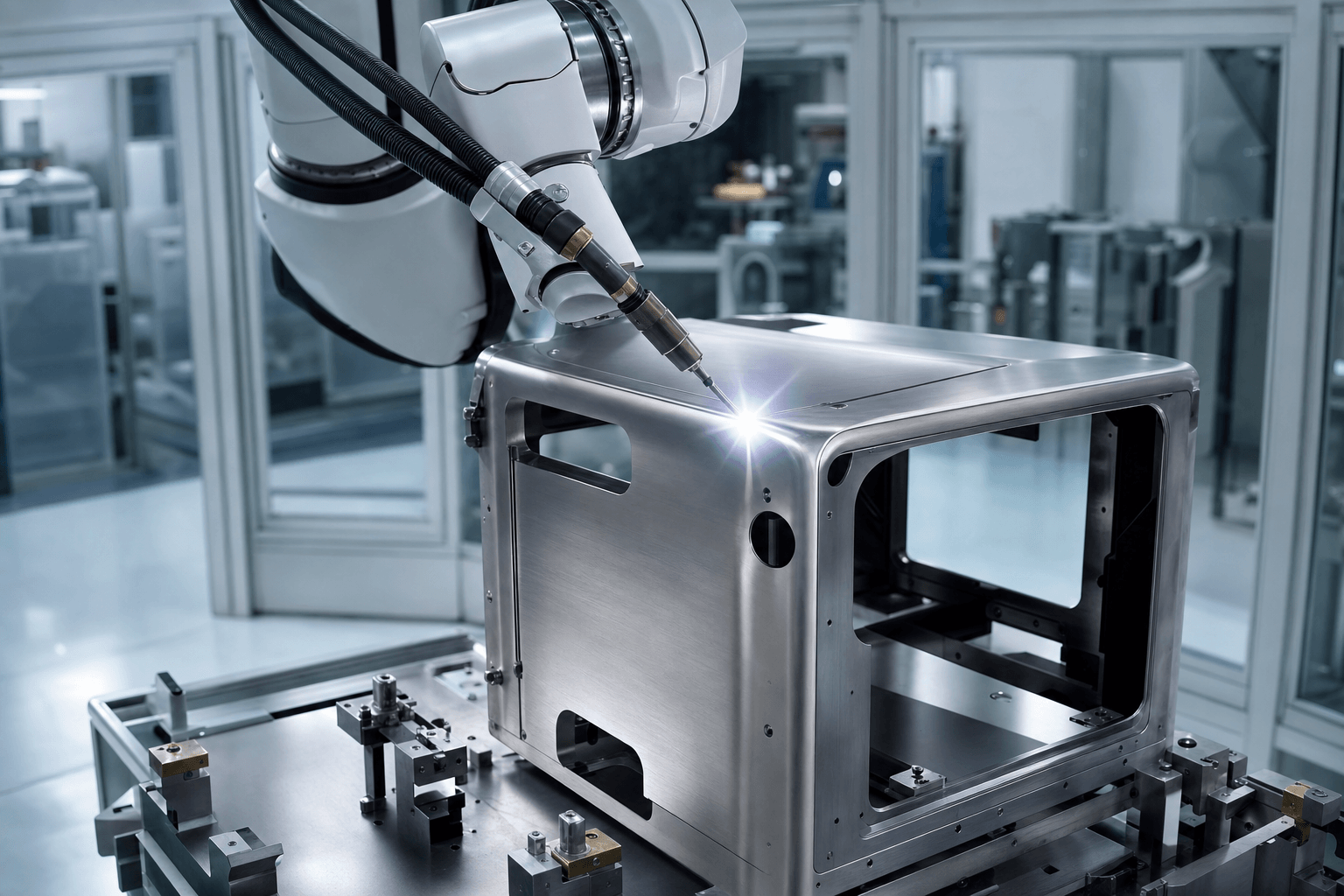
Precision and durability are key attributes that make sheet metal an appropriate material for medical equipment housing. The ability to produce tight tolerances through techniques such as laser cutting and CNC bending allows for components that are both reliable and safe. For instance, tolerances of 0.1-0.2mm are standard for laser-cut mild steel sheets under 6mm in thickness. Heavier sheets may require an allowance for thermal distortion.
In the context of medical equipment, sheet metal needs to withstand rigorous usage and sanitation protocols. Stainless steel, often conforming to the ASTM A240 standard, is widely utilized due to its corrosion resistance and ease of cleaning—critical for maintaining hygiene in medical environments.
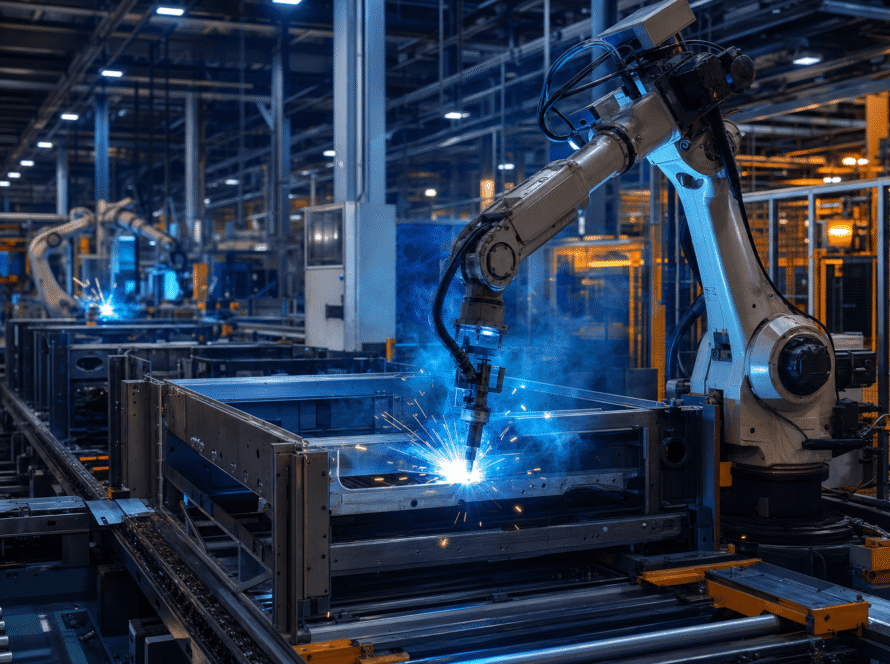
Advanced processing methods, including robotic welding, have also contributed to sheet metal’s appeal. For example, factories such as Dongji Intelligent Equipment in the factory capability overview have incorporated robotic welding, enhancing precision and reducing labor costs.
Economic and Strategic Implications
The use of sheet metal can also represent a cost-effective option in terms of both initial material costs and lifecycle maintenance. An S&P Global report highlights that globalization of the medical device supply chain has led to an average drop in material costs by 15% over the last decade. Moreover, the longevity of stainless or coated metals means fewer replacements and reduced downtime.
On the sourcing side, the choice between local and global procurement has significant economic implications. For instance, while sourcing from China might offer lower initial costs and a broad range of capabilities (including advanced automation as seen in Dongji‘s operations), it might also involve greater logistical considerations compared to closer regional suppliers.
Compliance and Regulatory Standards
Medical equipment design is subject to rigorous regulatory scrutiny to ensure patient and operator safety. International standards such as ISO 9001 and IEC 60204 guarantee that production processes meet strict quality and safety benchmarks.
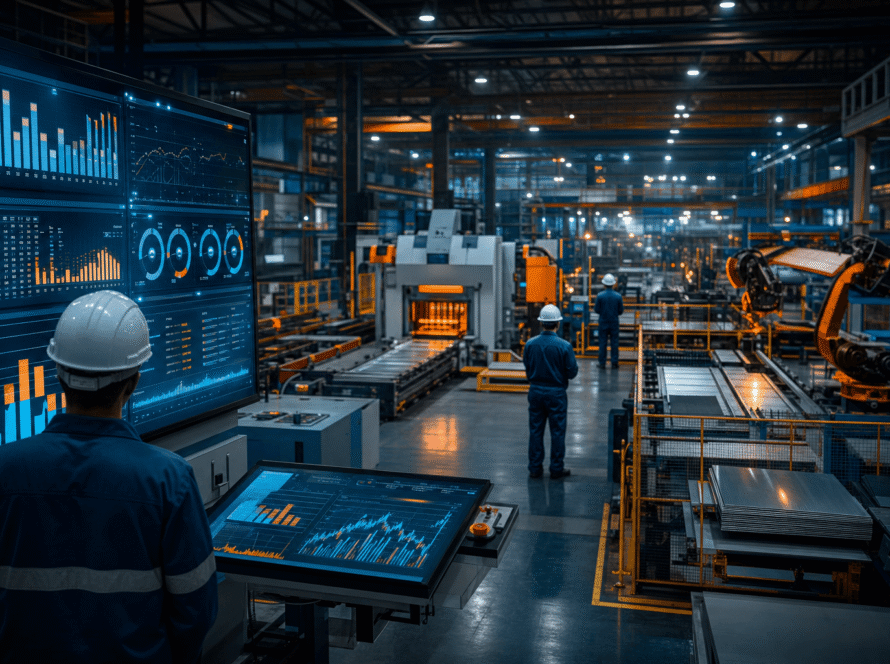
ISO 9001, for instance, focuses on quality management systems, requiring manufacturers to consistently provide products that meet 12-step DFM review process technologies will likely drive further innovation in custom sheet metal fabrication for medical applications. The adoption of RFID for inventory and quality control, as well as the implementation of IoT for maintenance and monitoring, are anticipated to offer substantial efficiency gains.
As healthcare providers anticipate an increased demand for equipment due to aging populations, the focus on finding the right balance of cost, quality, and compliance will continue to shape the sheet metal industry’s role in medical equipment design.
OEM buyer FAQ Questions
What types of sheet metal are commonly used in medical equipment?
Common materials include stainless steel for its corrosion resistance and ease of cleaning, as well as aluminum for its lightweight properties. The choice depends on the specific requirements of the application, considering factors like durability, weight, and cost.
How do medical equipment manufacturers ensure quality?
Manufacturers adhere to international standards such as ISO 9001 for quality management and IEC 60204 for electrical safety. These standards require a systematic approach to quality control and are often audited by independent bodies.
What impact do advancements in technology have on sheet metal usage in medical equipment?
Technological advancements like robotic welding and laser cutting have improved precision, reduced costs, and allowed for more complex design possibilities. The integration of IoT and smart manufacturing further enhances production efficiency and product traceability.
Further Reading
Have a specific procurement question? Our buyer FAQ
addresses common concerns around lead time, certifications, and DFM.
For factory verification standards, see our 12-step manufacturing process documentation.