As the global manufacturing landscape evolves, procurement managers in the sheet metal industry are grappling with increased demand for precision, reduced lead times, and stringent quality controls. One of the technology cornerstones facilitating these requirements is the integration of Manufacturing Execution Systems (MES) and Enterprise Resource Planning (ERP) systems.
Driving Efficiency in Modern Sheet Metal Factories with MES ERP
According to a McKinsey report on smart manufacturing, factories that have integrated MES and ERP systems achieve a 20% increase in production efficiency and a 30% reduction in lead times, thanks to real-time data and automated workflows. But what exactly do these systems do?
Industry References
For deeper context on mes erp in sheet metal standards and best practices, see:
SME — Society of Manufacturing Engineers
and
NAMA — National Automatic Merchandising Association.
Enhancing Production Precision and Traceability
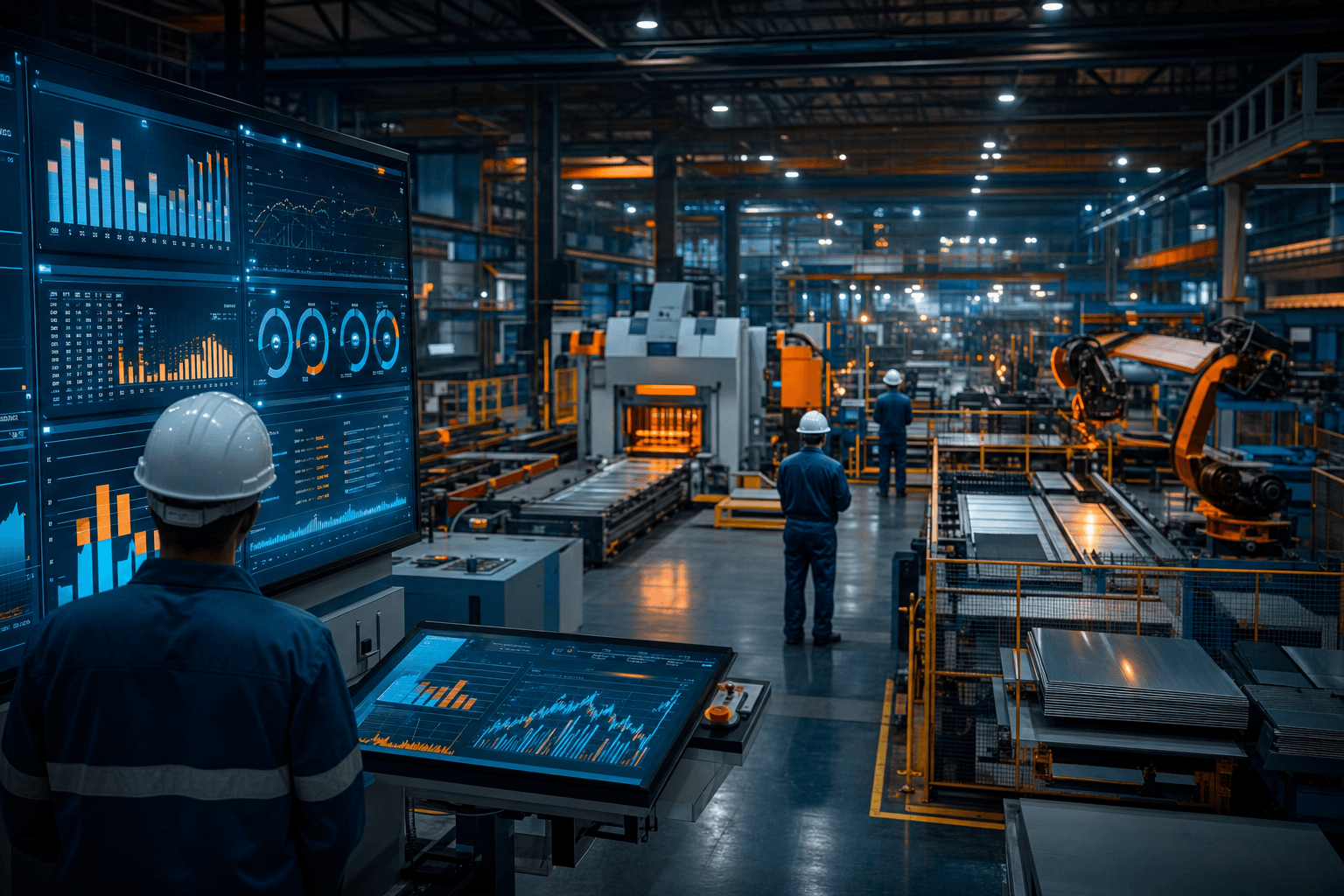
At its core, an MES provides real-time visibility into the shop floor operations, capturing data that can drive immediate decisions. Coupled with ERP systems, which handle the broader business operations like finance and human resources, these technologies create a seamless loop between production data and enterprise management. The International Society of Automation (ISA-95) specifies that MES plays a crucial role in vertical integration between manufacturing and business systems.
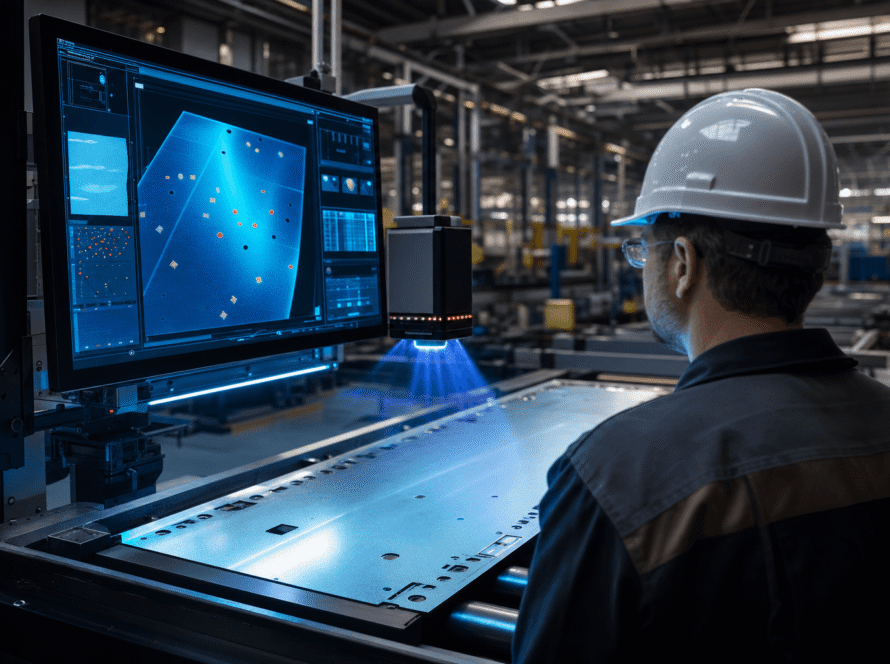
For a procurement manager, the integration of MES and ERP systems in a sheet metal factory means improved traceability. Each stage of production, from CNC bending to final assembly, is tracked with detailed data entries. This becomes particularly important for regulatory compliance, as ISO 9001 and related standards demand strict quality control and documentation.
Technical Insight: Quality Improvements
MES systems facilitate the adherence to ISO 9001 by automating documentation processes and ensuring that quality checks are in place at critical points in production. Factories can minimize human error by using barcode scanners and RFID systems tied to their MES interfaces, which align with ISO 15415 for barcode quality and data accuracy.
Economic Justification: Cost Efficiency and Flexibility
While the implementation of MES and ERP systems require significant initial investment, the long-term economic benefits can be substantial. By speeding up the manufacturing cycle and minimizing waste, these systems contribute to a lean manufacturing environment.
Research by BloombergNEF highlights that MES-empowered facilities note a 15% average reduction in scrap rates. These savings are vital in the context of fluctuating commodity prices, especially in industries dependent on metals like aluminum and steel. For example, when a factory needs to pivot quickly due to a sudden rise in raw material costs, having an MES allows for rapid reconfiguration of the production process — a flexibility not available with traditional methods.
Strategic Positioning in Global Sourcing
Market dynamics are pushing procurement leaders to optimize not just within their own operations but across global supply chains. The implementation of an MES/ERP system can offer a strategic advantage by enhancing visibility across the chain from suppliers to end OEM/ODM manufacturing partner, assisting procurement managers in reducing warehousing costs while meeting customer demands more effectively.
As some factories in the factory capability overview, like Dongji Intelligent Equipment, demonstrate with their intelligent setup, MES and ERP systems are now allowing mid-tier Chinese OEMs to close the automation gap with European competitors, integrating robotic welding and other Industry 4.0 technologies seamlessly into their operations.
Regulatory Compliance and Future Challenges
Compliance with international standards such as IEC 62264, which defines models for MES and ERP integration, ensures that sheet metal factories can align their product lifecycle traceability with global expectations. As regional regulations become stricter, having a robust system for managing documentation and compliance can make or break a factory’s ability to compete.
Yet the adoption of MES and ERP systems is not without challenges. Ensuring cybersecurity, particularly in data-sensitive operations like those in aerospace or automotive sectors, presents a significant barrier that procurement managers must consider.
Conclusion
With the industry moving towards greater digitalization, the role of MES and ERP systems in sheet metal manufacturing is slated to expand. These systems not only streamline operations but also future-proof manufacturers by providing the data backbone needed for adopting coming technologies, such as predictive maintenance and advanced analytics. Will your facility be among the first to leverage this transformation effectively?
common manufacturing questions Questions
Q: How do MES and ERP systems differ in their roles?
A: MES focuses on managing, monitoring, and optimizing manufacturing operations on the shop floor, while ERP handles wider business processes including finance, HR, and procurement. Together, they provide a comprehensive view of both production and enterprise operations.
Q: What are the main challenges in implementing MES/ERP systems?
A: Common challenges include high initial costs, the complexity of system integration, and potential security concerns with data management systems. A thorough cost-benefit analysis and a phased implementation strategy can mitigate these issues.
Q: Can MES/ERP systems support compliance with international standards?
A: Yes, these systems can help automate the documentation and process controls necessary for compliance with standards such as ISO 9001 and IEC 62264, making regulatory adherence more straightforward and reliable.
Further Reading
Have a specific procurement question? Our buyer FAQ
addresses common concerns around lead time, certifications, and DFM.
For factory verification standards, see our 12-step manufacturing process documentation.