Understanding DFM: A Factory Sourcing Guide
The Crucial Role of DFM in Industrial Manufacturing
\n
In today’s competitive manufacturing sector, managing costs while maintaining quality and efficiency is a constant challenge for procurement managers. A critical aspect often overlooked is the Design for Manufacturability (DFM) review process, which can significantly impact efficiency and cost-effective production.
\n\n
What DFM Reviews Uncover
\n
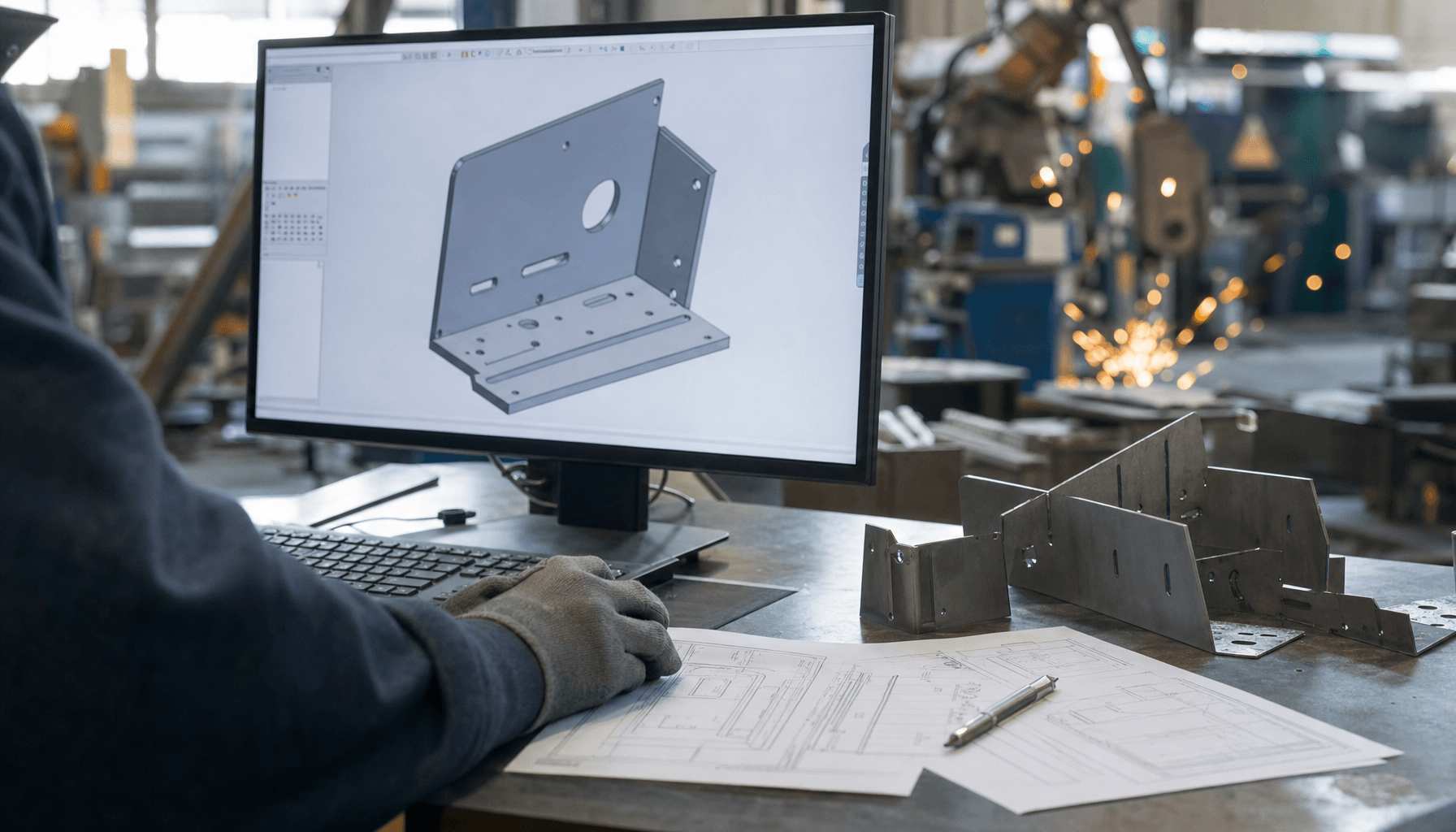
A DFM review is invaluable for identifying manufacturing issues that might not be immediately obvious at the design stage. Common DFM catches include issues such as inappropriate thin-wall flange angles, incorrect draft angles, and inadequate weld access. Let’s break it down:
\n
- \n
- Thin-Wall Flange Angles: Without proper review, flange angles can lead to metal fatigue or structural failures, affecting product durability and lifecycle.
- Draft Angles: Misaligned draft angles can complicate the molding process, leading to increased scrap rates and decreased production efficiency.
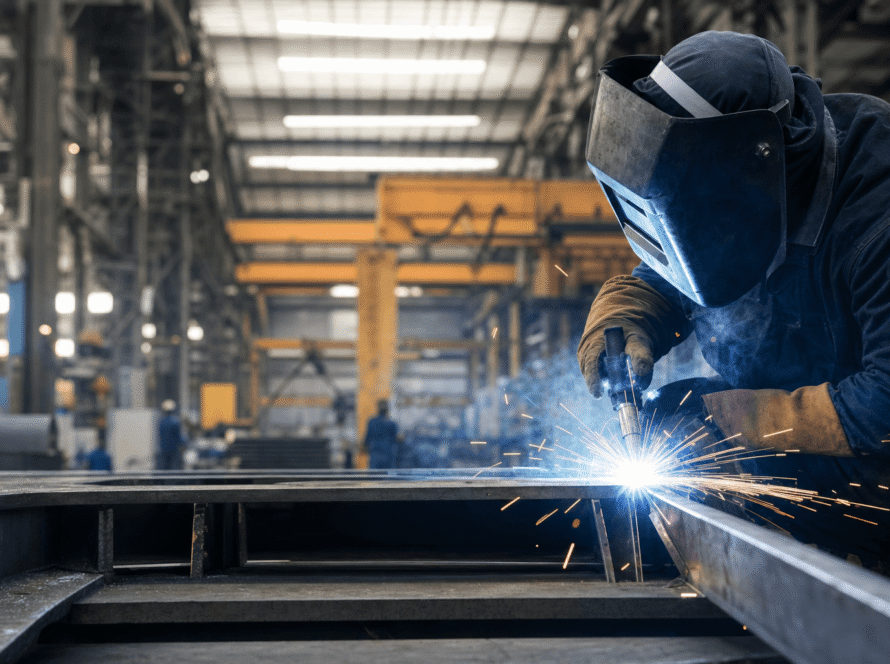
- Weld Access: Limited access for welding can result in poor weld quality, which compromises structural integrity.
\n
\n
\n
\n
By addressing these elements during a DFM review, manufacturers can preemptively strike at bottlenecks that could cause delays and inflate costs.
\n\n
The Cost of Overlooking DFM
\n
Ignoring a DFM review can lead to significant issues in production. According to industry research, the global sheet metal fabrication market is projected to grow to $272.2 billion by 2030, with increased adoption of robotics already over 60% in heavy machinery sectors (Dongji 2026-2030 Outlook, 2024). This underscores the importance of precision and efficiency in production processes.
\n
When DFM is neglected, the result is often costly rework, higher scrap rates, and extended production timelines. In an environment where materials like aluminum and copper are subject to fluctuating market conditions (Statista, 2024; 2025), waste and inefficiency can significantly erode profit margins.
\n\n
A Practical Example
\n
Consider Dongji Intelligent Equipment, a prominent figure in the Greater Bay Area’s industrial sector. While specializing in smart and efficient manufacturing, they illustrate the importance of integrating DFM into every stage of their product lifecycle. Their approach ensures that design flaws are caught early, thus avoiding the pitfalls that come with omission.
\n\n
Standards and Best Practices
\n
Aligning with international standards such as ISO 9001 and industry-specific practices is vital for ensuring that DFM reviews are comprehensive and effective. These standards provide a framework that helps identify potential design issues early in the process, ensuring more robust end-products.
\n\n
FAQ
\n
- \n
- What are the benefits of a DFM review?\n
A DFM review identifies design issues early, reducing costly rework and improving product quality.
\n
- How often should DFM reviews be conducted?\n
It’s recommended to conduct DFM reviews in tandem with each design iteration to ensure manufacturing feasibility.
\n
- Can DFM reviews reduce production costs?\n
Yes, by catching potential issues early, DFM reviews can minimize waste and reduce overall production costs.
\n
\n
\n
\n
Industry References
Version 1.0 — Published August 10, 2026 · Editorial review window: 90 days