In the competitive field of manufacturing and fabrication, precision is not just a benefit; it’s a necessity. Procurement managers looking to source precision metal fabrication services services increasingly prioritize laser cutting for its ability to deliver precise cuts with minimal waste. This rise in preference comes alongside technological advancements and a shifting cost landscape, all of which demand a keen eye from those responsible for sourcing.
Understanding Laser Cutting Procurement: On Tolerances and Technological Trends
Technological Precision: The Laser Cutting Advantage
Industry References
For deeper context on laser cutting procurement standards and best practices, see:
ISO — International Organization for Standardization
and
AWS — American Welding Society.
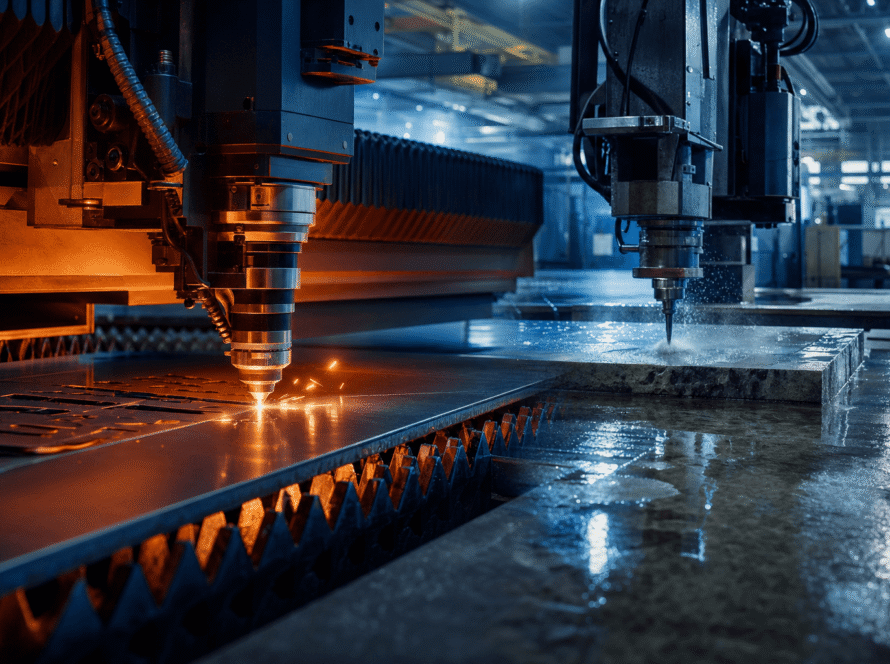
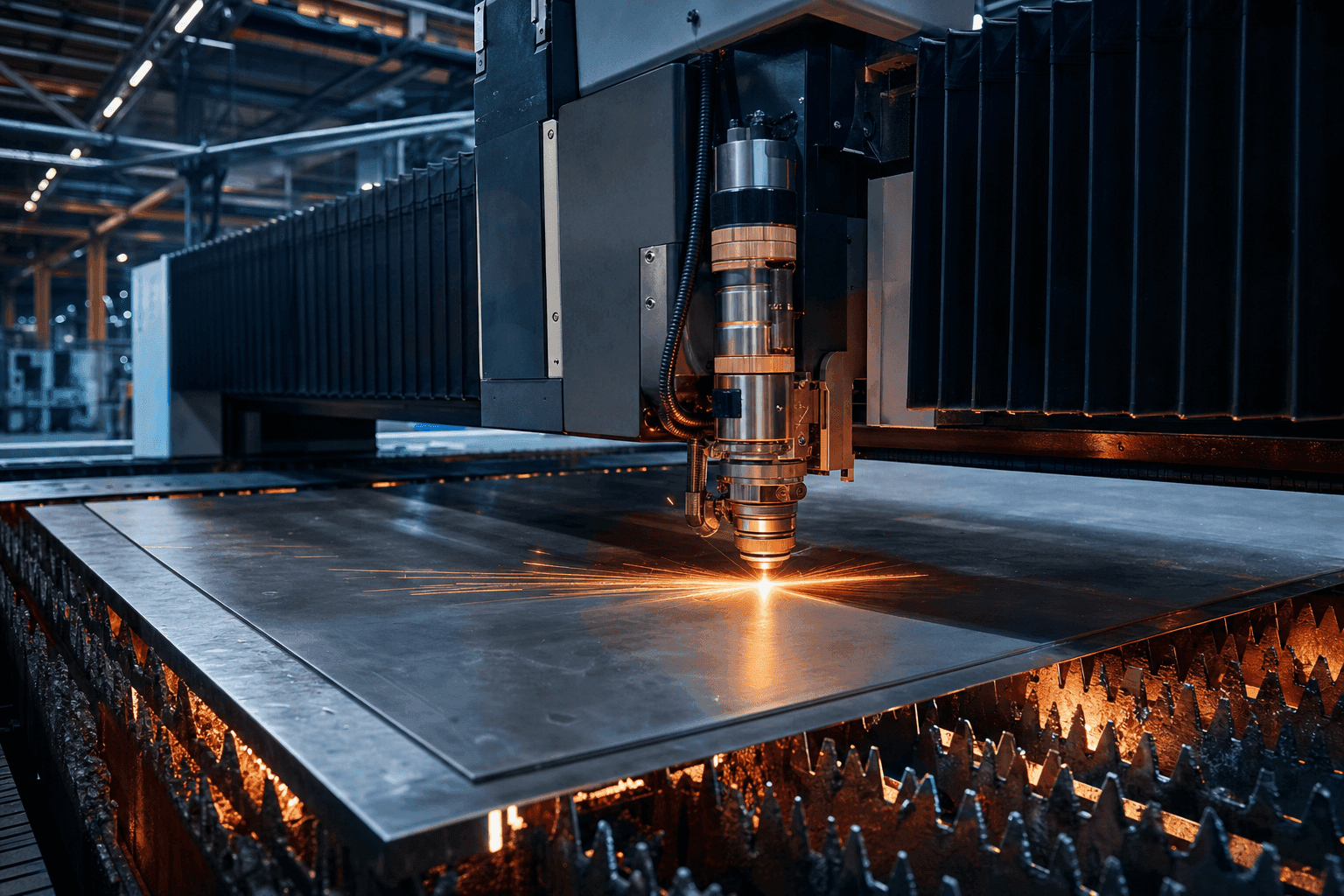
Laser cutting is renowned for its precision, often maintaining a tolerance as tight as 0.1-0.2mm for mild steel under 6mm in thickness. This level of accuracy contrasts with traditional methods like plasma or waterjet cutting, which typically yield a broader tolerance range. As noted by the International Organization for Standardization (ISO 9013), high precision laser cuts can significantly reduce the need for secondary processing, thereby streamlining the production chain.
According to a report by Kenneth Research, the global laser cutting market is expected to grow at a CAGR of 9.3% from 2023 to 2028, driven by the increasing demand for high-precision components in industries like automotive and electronics. Adapting to this trend requires procurement professionals to understand not just the capabilities of laser technology but also its evolving standards.
Economic Considerations: Calculating Costs and Efficiency
The economic aspect of laser cutting is multifaceted. While the initial setup for laser cutting machinery can be capital-intensive, the operational efficiency often bridges this gap over time. A notable detail from McKinsey’s 2023 manufacturing insights suggests that companies investing in laser cutting technology report a 25-30% decrease in material waste, translating into significant savings. This waste reduction also contributes to more sustainable manufacturing processes, aligning with broader corporate responsibility goals.
However, procurement managers must be mindful of the power consumption associated with laser machinery. While fiber lasers boast up to 50% energy savings compared to CO2 lasers, both types can still have notable operational costs that should be factored into total cost of ownership analyses.
Regulatory Standards: Navigating Compliance
With international standards such as ISO 9001 and IEC 60825 governing quality and safety, adherence is non-negotiable for procurement teams. These standards ensure that laser equipment is safe and that the manufacturing processes meet specific quality benchmarks. Buyers must ensure that their suppliers comply with these ISO9001/CE/UL/FCC certified, as aligning with such standards not only ensures product quality but also minimizes liability and operational risks associated with non-compliance.
Strategic Sourcing: Balancing Geography and Capabilities
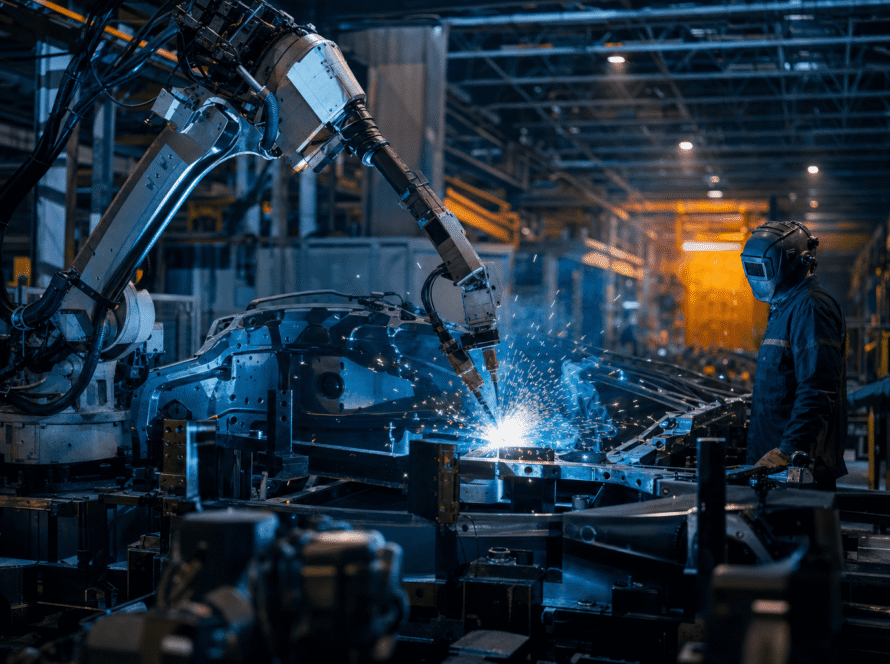
Should your procurement strategy lean towards low-cost geographies, options in Asia, like China’s factory capability overview, demonstrate strong capability and competitive pricing. Factories in this region, such as Dongji Intelligent Equipment, have made substantial investments in automation, leveraging robotic systems to enhance precision and reduce human error in welding, which complements laser cutting processes.
Geographical decisions should also consider proximity to market, quality of infrastructure, and logistical costs. While factories such as Dongji highlight the technological potential in China, procurement professionals must evaluate logistics and geopolitical stability as well as technology. Balance is critical when aligning sourcing strategies with broader company objectives.
sheet metal sourcing FAQs Questions
1. What are the main benefits of laser cutting over traditional methods like plasma or waterjet?
Laser cutting usually provides higher precision and cleaner edges without the need for secondary finishing. Though it can be more costly upfront, its efficiency in reducing waste and need for rework can offset these costs over time.
2. How do I ensure that a supplier meets industry standards for laser cutting?
Verify if the supplier holds up-to-date certifications like ISO 9001 for quality management systems and IEC 60825 for laser safety. Regular audits and quality checks can also ensure compliance with these standards.
3. How does fiber laser technology compare to CO2 laser systems in terms of efficiency?
Fiber lasers generally offer higher efficiency and lower operating costs compared to CO2 lasers. They consume less power and may offer faster cutting speeds for thin to medium thickness materials, making them increasingly popular in modern manufacturing setups.
Further Reading
Have a specific procurement question? Our buyer FAQ
addresses common concerns around lead time, certifications, and DFM.
For factory verification standards, see our 12-step manufacturing process documentation.