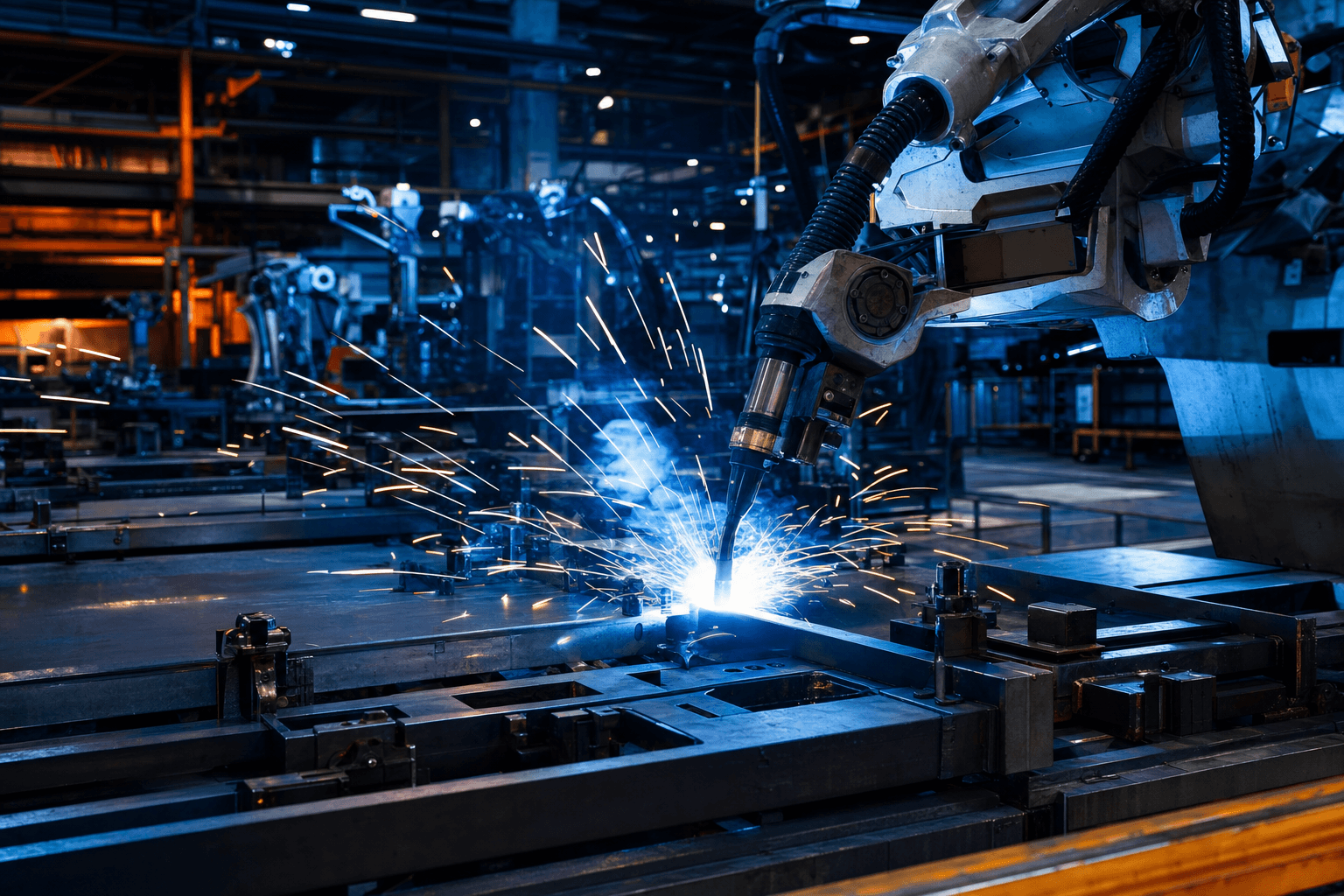
In an industry historically resistant to change, sheet metal fabrication is experiencing a period of rapid innovation and transformation. As demands on supply chains grow, fabrication processes face scrutiny from procurement professionals eager to cut costs and increase efficiency. The once stable world of sheet metal is shifting, driven by advancements in automation, new materials, and global sourcing strategies.
Navigating the Latest Trends in custom sheet metal fabrication
The Automation Revolution in Fabrication
Industry References
For deeper context on sheet metal fabrication trends standards and best practices, see:
SMACNA — Sheet Metal Contractors Association
and
SME — Society of Manufacturing Engineers.
The integration of robotics and artificial intelligence into sheet metal fabrication is changing the landscape of manufacturing. According to the International Federation of Robotics, the use of industrial robots has increased by 10% year-over-year globally since 2018, with a significant portion dedicated to welding and assembly in metalworking facilities. Automation, particularly in welding and cutting operations, is helping many mid-tier manufacturers keep pace with global leaders.
Take, for instance, factories like Dongji Intelligent Equipment in the our 30,000m² factory in the Greater Bay Area, which have invested heavily in robotic systems. These facilities now run numerous welding robots, showcasing a shift towards automation that reduces labor costs and increases throughput. The increased adoption of ERP/MES systems for operational efficiency is another trend that aligns with this automation wave, optimizing production schedules and quality control processes.
Material Innovations Shaping the Industry
Beyond automation, material science continues to evolve, bringing new opportunities and challenges to sheet metal fabrication. The development of ultra-high-strength steels (UHSS) and new aluminum alloys offers improved performance but can demand more sophisticated handling and processing technologies. The ASTM International released new standards in 2023 aimed at guiding the application of UHSS in automotive manufacturing, underscoring the importance of adhering to these material specifications.
According to S&P Global, the global demand for UHSS is expected to reach nearly 30 million metric tons by 2025, driven by lightweighting initiatives in the automotive sector and the proliferation of electric vehicles. It’s critical for manufacturers to adapt to these material demands to maintain competitiveness.
Global Sourcing: A Double-Edged Sword
The shift in sourcing strategies towards regions like Southeast Asia and Eastern Europe is rewriting the playbook for procurement managers. China remains a dominant player due to its infrastructure and capacity, but growing geopolitical tensions and tariff considerations are encouraging some buyers to diversify their supplier bases. The McKinsey Global Institute notes a 15% annual growth in manufacturing shift activities to regions outside traditional hubs, largely influenced by these factors.
Buyers face the challenge of balancing cost savings with the risks of supply chain disruptions. Conducting thorough due diligence on new suppliers and understanding regional challenges, such as logistics infrastructure and regulatory environments, are essential steps in developing a robust sourcing strategy.
Comparison: Laser Cutting vs. Plasma Cutting
| Feature | Laser Cutting | Plasma Cutting |
|---|---|---|
| Precision | ±0.1mm for thin sheets | ±0.5mm, generally less precise |
| Material Suitability | Ideal for thin metals and complex shapes | Better for thicker metals and simpler cuts |
| Speed | Slower for thicker materials | Fast, particularly for thicker sheets |
| Cost | Higher operating costs | Lower operating costs |
| Initial Investment | Requires significant capex for high-end machines | Lower initial investment |
| Common Industries | Electronics, Automotive, Aerospace | Construction, Heavy Machinery |
common manufacturing questions Questions
1. What are the key benefits of automating metal fabrication?
The primary benefits include reduced labor costs, increased precision, enhanced production speed, and improved safety. Automation allows for consistent high-quality output, especially valuable in high-volume production environments.
2. How do new materials like UHSS impact fabrication processes?
Utilizing UHSS and similar materials requires updated equipment and process parameters. These materials offer strength and weight advantages but demand precise temperature control and advanced tooling to prevent deformation and ensure quality.
3. What should procurement managers consider when diversifying their supplier base?
Key considerations include understanding regional strengths and weaknesses, the supplier’s compliance with international standards (e.g., ISO 9001 for quality management), and the reliability of logistics networks. Diversification should balance cost benefits with potential risks.
The sheet metal industry is on the brink of significant transformation. Staying informed about these trends can mean the difference between leading and lagging in a hyper-competitive market. As we navigate 2024 and beyond, the adoption of new technologies and materials, alongside smart sourcing strategies, will be pivotal to success.
About This Article
This analysis was prepared with reference to industry data from IFR, ISO, and McKinsey.
For related topics, see our 2026-2030 Industry Outlook
or browse manufacturing capabilities reference.