The rapid growth of the electric vehicle (EV) market is creating unprecedented demand for reliable and efficient charging infrastructure. As procurement managers navigate this evolving landscape, understanding the nuanced role of enclosures in EV charging stations becomes critical. These enclosures are not merely protective boxes; they are pivotal to ensuring safety, compliance, and operational efficiency.
Understanding the Critical Role of Enclosures in EV Charging Stations
Technical Considerations: Enclosure Material and Specifications
Industry References
For deeper context on ev charging station enclosures standards and best practices, see:
SME — Society of Manufacturing Engineers
and
FABTECH.
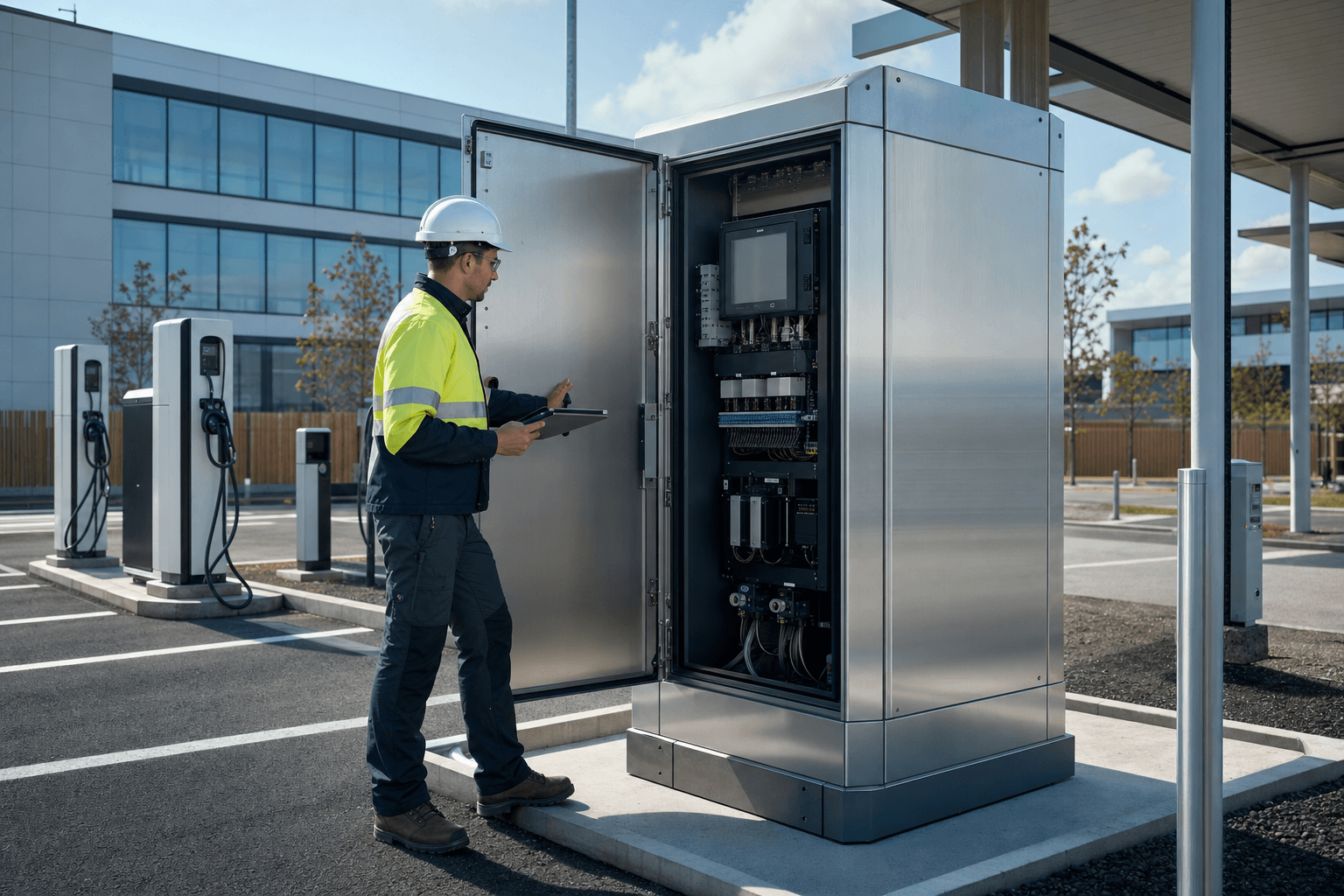
When selecting enclosures for EV charging stations, material choice heavily influences performance. Enclosures are often made from metals such as stainless steel or aluminum due to their durability and corrosion resistance. Stainless steel offers excellent resistance to environmental wear but comes at a higher cost, while aluminum provides a lightweight alternative that’s also conductive, crucial for dissipating heat efficiently.
Procurement managers should also consider specific technical standards. Enclosures must comply with relevant safety standards such as NEMA 250 or IEC 60529, which address ingress protection ratings. For instance, an IP67 rating ensures that the enclosure is dust-tight and can withstand temporary immersion in water—an important specification for outdoor installations in unpredictable weather.
Economic Perspectives: Cost-Benefit Analysis
According to the International Energy Agency (IEA), the global stock of EVs exceeded 10 million in 2020 and continues to climb, pushing the demand for charging stations ever higher. In procurement, understanding the long-term cost implications of different enclosure choices is vital. While opting for cheaper materials might offer initial savings, procurement managers must evaluate the total cost of ownership, considering durability, maintenance, and potential downtime related to material failure.
Strategic Insights: Sourcing and Supply Chain Dynamics
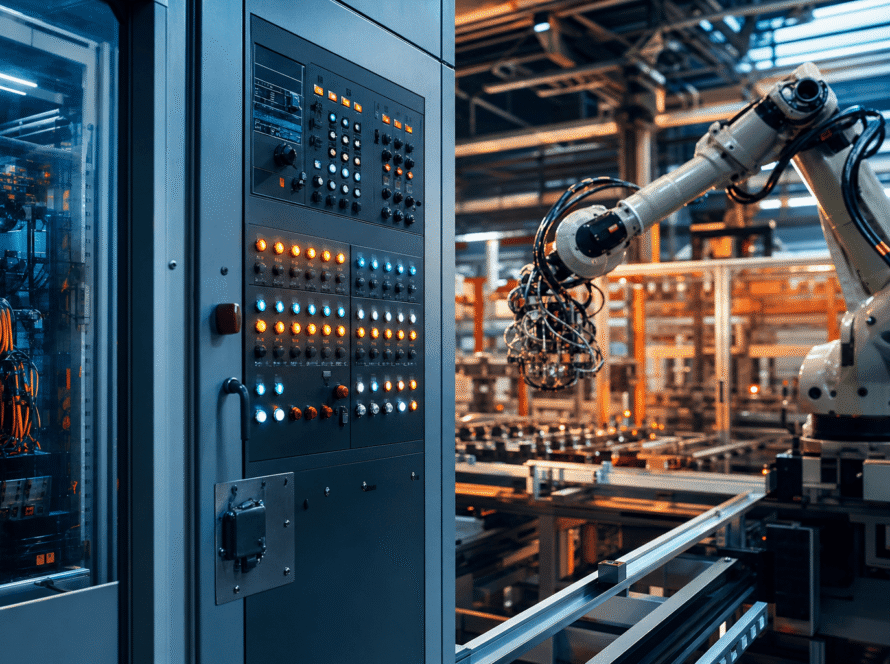
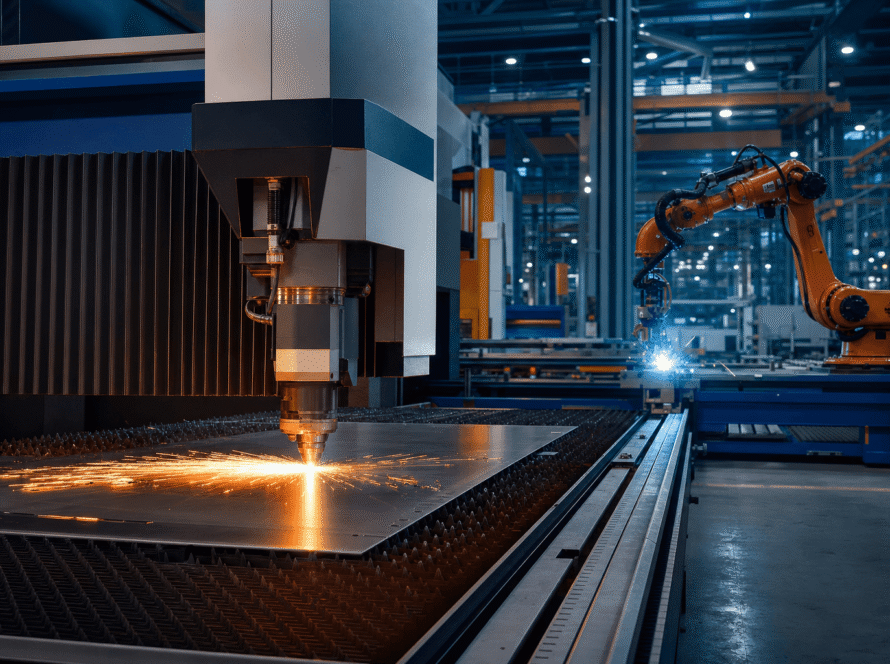
Selecting a reliable supplier for EV charging station enclosures involves complex decision-making. As global supply chains face unpredictability due to geopolitical tensions and material shortages, diversifying sourcing strategies becomes pertinent. Countries like China and Mexico offer competitive advantages due to their mature manufacturing ecosystems and cost benefits. For example, in China’s Dongji factory tour, factories like Dongji Intelligent Equipment have optimized production with advanced technologies such as robotic welding and automated powder coating.
Regulatory Framework and Compliance
Complying with the regulatory requirements is non-negotiable in the procurement of EV charging infrastructures. Each region may have different guidelines and ISO9001/CE/UL/FCC certified—such as Underwriters Laboratories (UL) standards in the US or CE marking in the EU—that dictate the safety and functionality benchmarks. Ensuring that enclosures meet these requirements not only safeguards against legal repercussions but also boosts consumer confidence.
Future Directions: The Move Towards Smarter Enclosures
As the EV industry grows, so does the complexity of requirements for charging infrastructures. The future of EV charging station enclosures lies in their integration with smart technology. Enclosures are expected to host advanced monitoring systems that facilitate predictive maintenance and improve energy management. Procurement professionals should stay ahead by considering these technological strides in their sourcing strategies.
sheet metal sourcing FAQs Questions
What is the importance of NEMA and IP ratings for EV charging enclosures?
NEMA and IP ratings are crucial as they indicate the level of protection an enclosure offers against environmental factors such as dust and water ingress. For outdoor EV charging stations, a higher rating ensures durability and safety.
How do I balance cost with quality when sourcing enclosures?
Balancing cost and quality involves conducting a thorough cost-benefit analysis. Consider total cost of ownership, including long-term maintenance and potential downtime costs, rather than just the initial purchase price.
Are there significant risks associated with single-source supply strategies for enclosures?
Yes, single-source strategies can lead to vulnerabilities in the supply chain, especially in times of geopolitical instability or material shortages. Diversifying suppliers can help mitigate these risks by ensuring greater flexibility and resilience.
Further Reading
Have a specific procurement question? Our buyer FAQ
addresses common concerns around lead time, certifications, and DFM.
For factory verification standards, see our 12-step manufacturing process documentation.