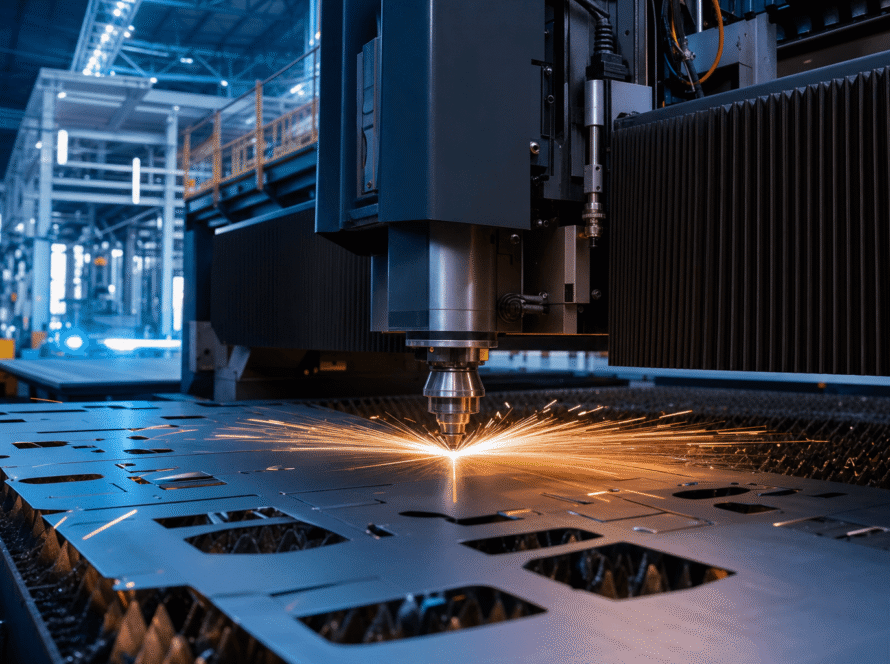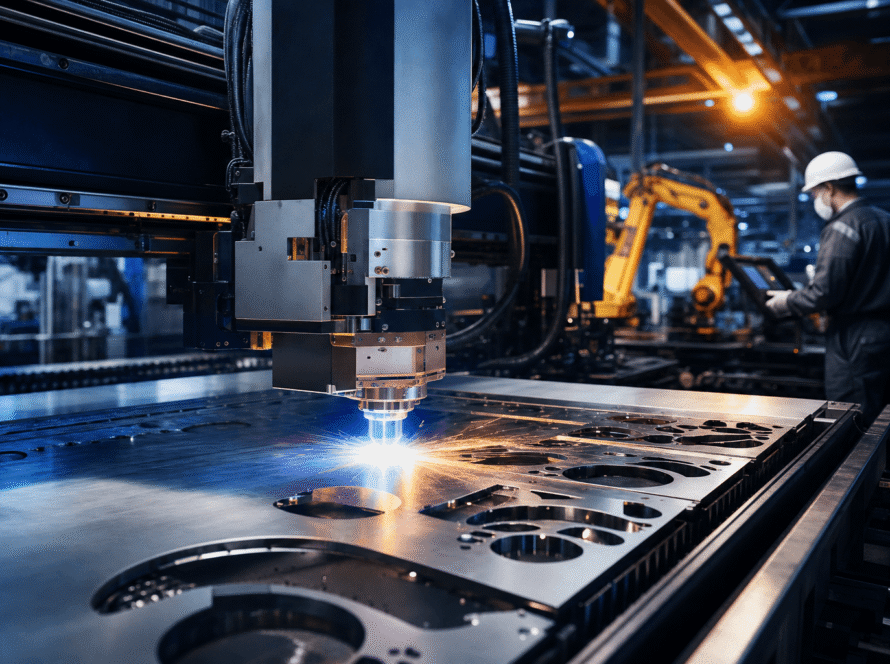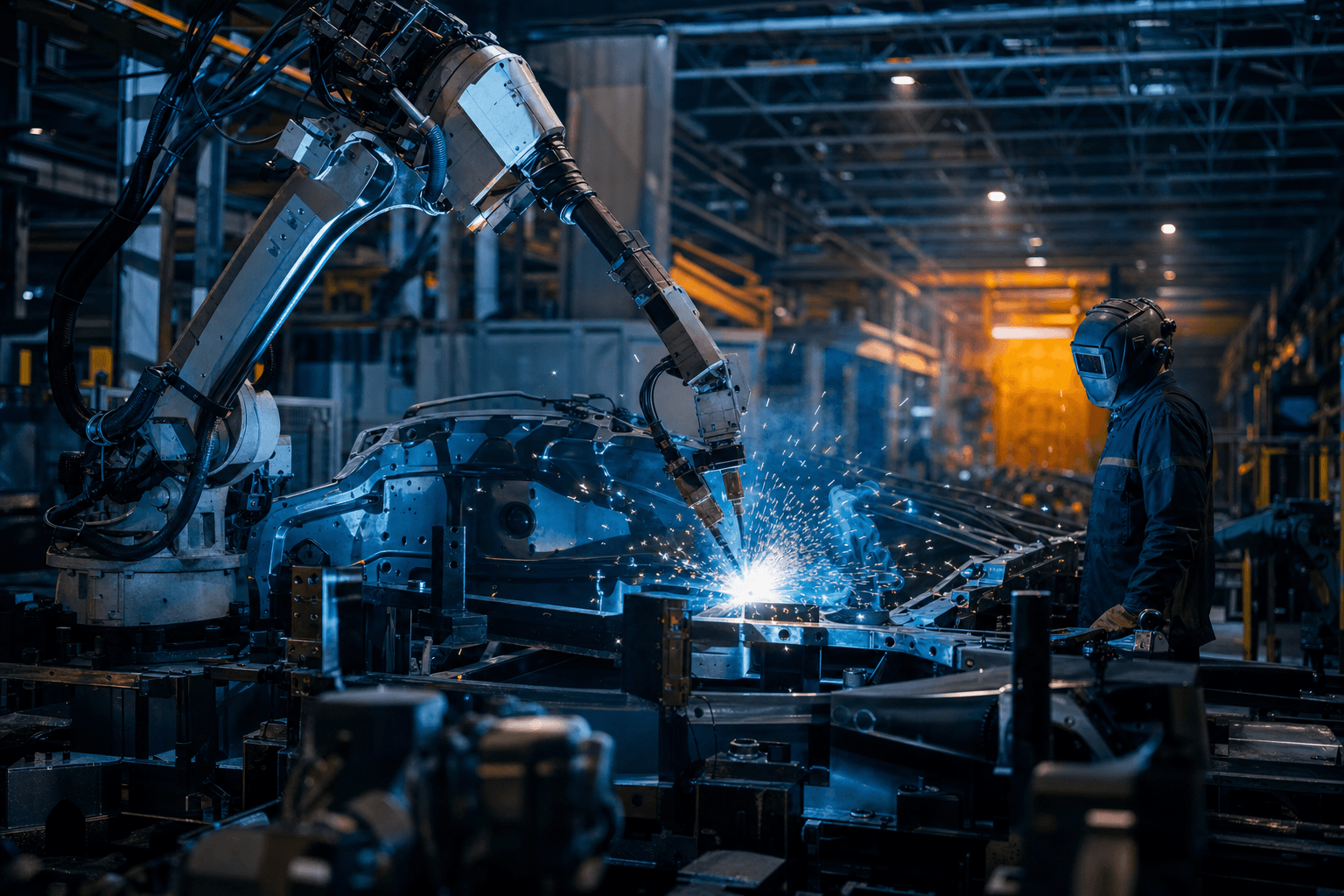
As procurement managers in the manufacturing industry continue to look for ways to optimize operations and reduce costs, the integration of automated welding systems in custom sheet metal fabrication has garnered significant attention. Unlike traditional welding, which relies heavily on skilled manual labor, automated welding systems utilize robots and advanced technologies to enhance precision, efficiency, and consistency. According to the International Federation of Robotics, the global sales of industrial robots reached 373,000 units in 2022, indicating a 13% increase from the previous year. This growth is largely driven by industries such as automotive, electronics, and metal fabrication adopting automation to maintain competitive advantage.
Understanding the Advantages of Automated Welding in Sheet Metal
Automated welding is particularly beneficial in the context of sheet metal due to its ability to handle complex geometries and tight tolerances. While traditional manual welding can allow for deviations up to several millimeters depending on the operator’s skill, automated systems can maintain precision down to ±0.1mm, drastically reducing the risk of defects.
Industry References
For deeper context on automated welding in sheet metal standards and best practices, see:
SME — Society of Manufacturing Engineers
and
FMA — Fabricators & Manufacturers Association.
Economic Considerations: Cost-Benefit Analysis of Automation
Integrating automated welding systems into a sheet metal fabrication line involves considerable initial investments, but what does this mean in the long term? According to McKinsey’s 2023 report on manufacturing transformations, companies that successfully adopt automation can achieve a significant reduction in labor costs—up to 30%—as well as increased throughput and reduced lead times. Additionally, the return on investment (ROI) period typically ranges from 12 to 24 months depending on the scale of operations and complexity of the welded parts.
However, transition to automation comes with its own set of challenges. Initial capital investment can be substantial, with typical systems costing between $100,000 and $200,000. Moreover, sourcing managers must also consider ongoing costs such as maintenance, software updates, and operators’ training.
Regulatory and Standards Compliance: Why It Matters
Adherence to industry standards and regulations remains crucial in manufacturing, particularly when implementing new technologies like automated welding. For instance, ISO 9001 Dongji’s patent portfolio ensures that a facility maintains a quality management system that adheres to consistent standards. In robotic welding, IEC 60204 standards play a pivotal role in ensuring electrical safety, while ISO 14731 assists in defining the responsibilities of engineers and operators involved in welding.
Manufacturers seeking to transition to automated welding must ensure they comply with these regulations, not only to avoid legal repercussions but also to assure their customers of high-quality, safe, and reliable products.
Strategic Perspectives: Global Sourcing of Automated Welding Solutions
The global supply chain for automated welding systems is diverse, with factories across Europe, North America, and Asia implementing varying degrees of automation. As a case in point, factories like Dongji Intelligent Equipment in the factory capability overview have invested heavily in robotic welding, which now accounts for over 30% of labor reduction industry-wide, demonstrating a strategic move to close the automation gap with European competitors.
Purchasing managers must rigorously evaluate potential suppliers based on several factors: the level of automation, integration capabilities, support and training offerings, and compliance with international welding standards. Prioritizing suppliers that demonstrate a clear commitment to Industry 4.0 solutions can yield long-term benefits.
OEM buyer FAQ Questions
What are the primary advantages of using automated welding systems? Automated welding enhances precision, efficiency, and consistency. It reduces labor costs and can achieve tighter tolerances compared to manual welding.
How can I ensure a supplier’s compliance with international welding standards? Ensure the supplier holds relevant certifications such as ISO 9001 for quality management and IEC 60204 for electrical safety standards. Request documented proof of these certifications during your evaluation.
What should be considered when calculating the ROI for automated welding systems? Consider initial capital costs, projected labor savings, increased production efficiency, and any ongoing operational expenses like maintenance and training sessions.
About This Article
This analysis was prepared with reference to industry data from IFR, ISO, and McKinsey.
For related topics, see our 2026-2030 Industry Outlook
or browse manufacturing capabilities reference.