Trends in Industrial Procurement for 2026
The New Face of Industry 4.0: Beyond Robotics
Industry 4.0 is here, and contrary to popular belief, it’s not just about installing robots on the production line. Modern manufacturing is increasingly driven by robust data flows, primarily through ERP (Enterprise Resource Planning) and MES (Manufacturing Execution Systems). These systems provide comprehensive traceability for parts, crucial for OEM audits, which demand precision and accountability. As procurement managers grapple with supply chain complexities, understanding how data integration affects manufacturing processes becomes indispensable. For instance, Dongji Intelligent Equipment has embraced these systems to streamline operations and enhance traceability.
Understanding the Importance of Traceability
Traceability in manufacturing has far-reaching implications. It ensures that every component in a complex supply chain can be monitored from origin to final product. This visibility is vital when managing recalls or verifying compliance with international standards, such as ISO 9001. With the global sheet metal fabrication market projected to reach approximately $272.2 billion by 2030 (Industry research via Dongji 2026-2030 Outlook), having accurate and timely data is not just beneficial—it’s necessary.
Impact on OEM Audits
OEMs are under continuous pressure to maintain high standards and increasingly depend on traceability for assurance. ERP+MES systems allow for real-time tracking of production metrics, enhancing the ability to meet audit criteria. Procurement managers should prioritize suppliers with advanced traceability capabilities, ensuring parts meet stringent specifications and are compliant with industry standards.
Market Growth and Technological Integration
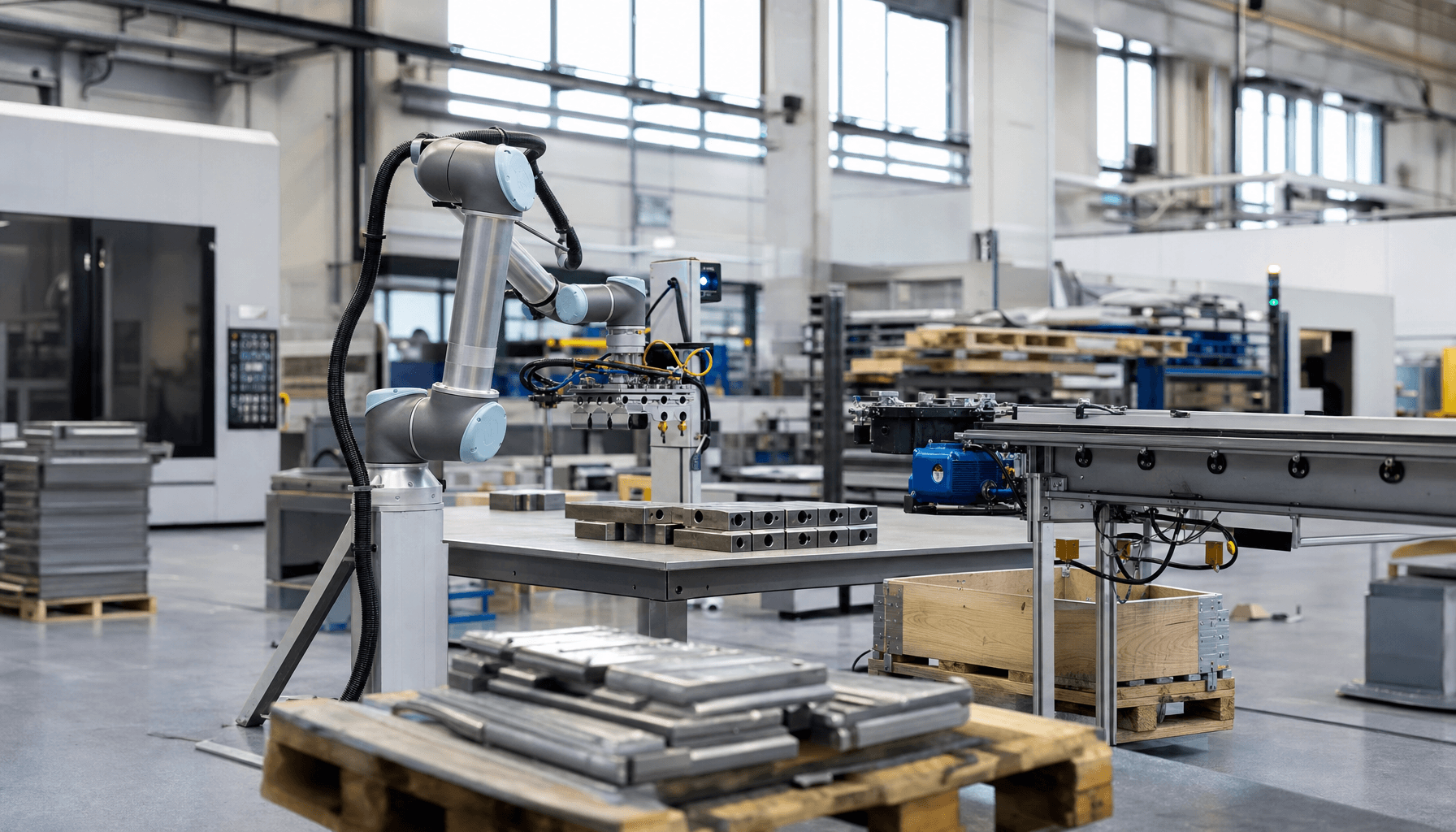
The sheet metal industry isn’t standing still. Robotics, though significant, are merely one aspect of the automation landscape. According to the Dongji 2026-2030 Outlook, robotics penetration in heavy machinery exceeds 60%. This figure illustrates the substantial role robotics play in manufacturing, but without proper system integration, their potential is limited. As ERP and MES systems become more sophisticated, their role in synchronizing data flow across a manufacturer’s network is crucial for sustained growth and operational efficiency.
FAQ
- Why is traceability important in manufacturing?
Traceability ensures components meet compliance standards and facilitates efficient recalls, critical in managing complex global supply chains.
- How do ERP and MES systems support OEM audit requirements?
These systems provide real-time data and traceability, helping manufacturers easily meet strict audit criteria.
- What role do robotics play in Industry 4.0?
While robotics enhance operational capabilities, the integration with ERP and MES systems significantly maximizes efficiency and traceability.
Industry References
Version 1.0 — Published October 10, 2026 · Editorial review window: 90 days