Industrial Procurement Trends 2026
Introduction: The Steel and Aluminum Pricing Forecast for 2026
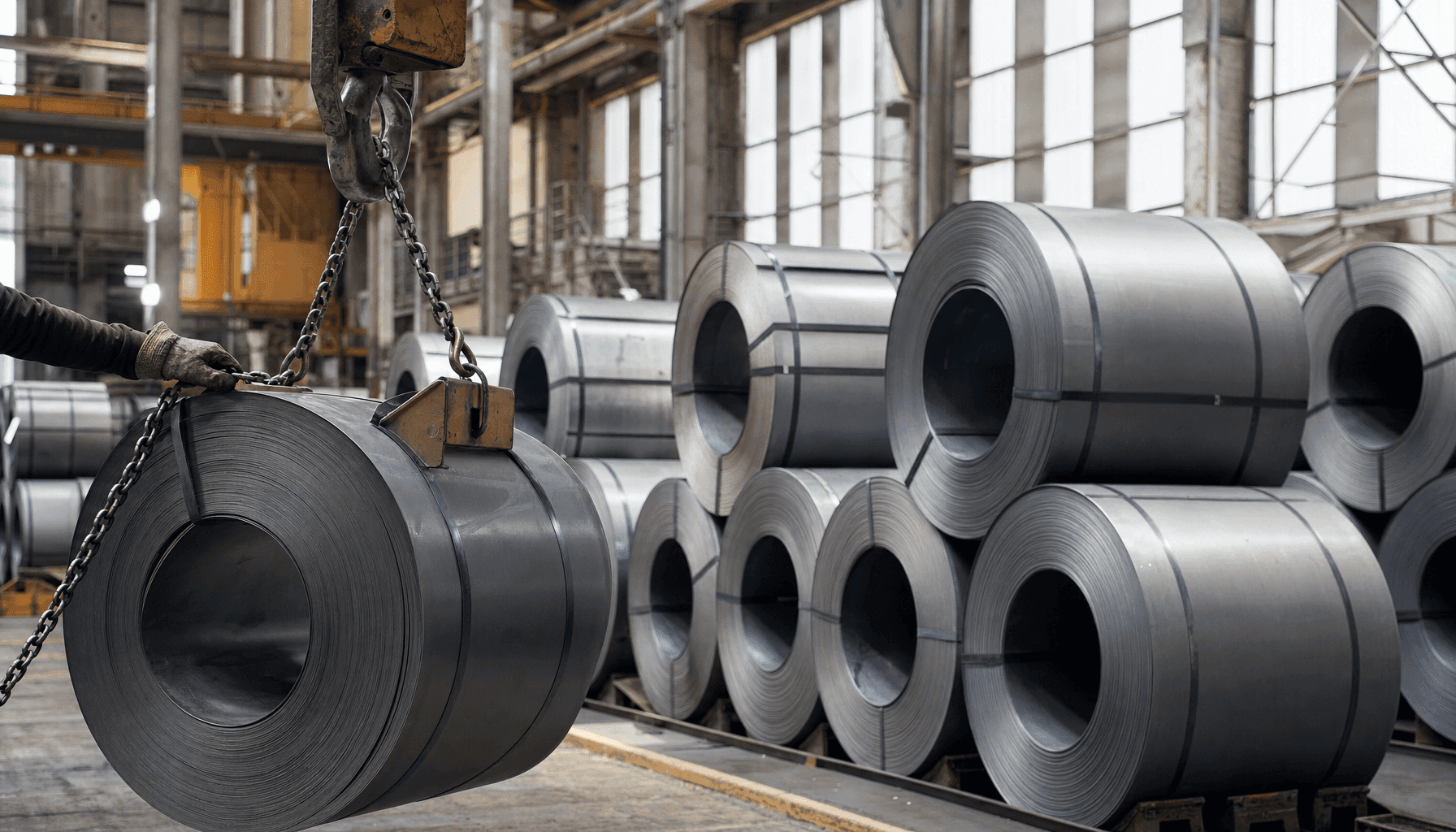
The global steel and aluminum markets are undergoing significant transformations, posing challenges and opportunities for industrial procurement managers. A 12% year-over-year drop in hot-rolled steel prices is reshaping purchasing strategies, while the evolution of aluminum trade flows, particularly following recent tariff changes, demands keen attention.
Learn more about our our manufacturing process and how we support B2B OEM/ODM projects.
Learn more about our sheet metal fabrication services and how we support B2B OEM/ODM projects.
Understanding the Steel Price Decline
The drop in hot-rolled steel prices is partly due to evolving supply dynamics and increased production in key global regions. According to the Industry Research, the sheet metal fabrication market is expected to grow from approximately $181.8 billion in 2024 to $272.2 billion by 2030 at a CAGR of 7.0%. This growth is influencing market volatility and procurement practices worldwide.
The integration of robotics in heavy machinery now exceeding 60% stands as one of the transformative factors (Dongji 2026-2030 Outlook, 2024). This trend influences cost structures and operational efficiencies within the steel industry, leading many to recalibrate their strategies.
Aluminum Trade Flows Post-Tariffs
Aluminum remains the most-produced base metal globally, with a staggering 72 million metric tons smelted in 2024 as reported by Statista. China’s massive output of around 45 million metric tons in 2025 underscores its central role in global supply chains. However, shifts in trade policies and tariffs are prompting re-evaluations of sourcing and investment strategies. Tariff modifications can swiftly alter competitive dynamics, urging procurement managers to adapt promptly to maintain a cost-effective supply chain.
Strategic Implications for Procurement
Procurement managers must navigate these changes with strategic agility. As prices fluctuate, the importance of adaptable procurement strategies is paramount. Industry standards such as ISO or ASTM guidelines for material quality and compliance become even more crucial in these uncertain times, offering a benchmark for quality amidst price volatility.
The competitive advantage lies in using data-driven insights to make informed purchase decisions. Leveraging forecast models and market data helps in anticipating price adjustments and optimizing supply chains.
Leading by Example: A Look at Dongji
Illustrating broader industry trends, Dongji Intelligent Equipment, situated in China’s burgeoning Greater Bay Area, exemplifies how advanced manufacturing capabilities and strategic foresights are necessary to navigate the steel and aluminum landscape successfully.
## FAQ
- Q: Why are hot-rolled steel prices dropping?
A: The decline is due to increased production capacity and evolving supply dynamics globally. - Q: How do aluminum tariffs affect procurement?
A: They can shift competitive dynamics, necessitating new sourcing strategies. - Q: What role do standards play in procurement?
A: Standards ensure consistent quality and compliance, crucial during price volatility.
Version 1.0 — Published October 3, 2026 · Editorial review window: 90 days