Industrial Procurement Trends: China vs. Mexico
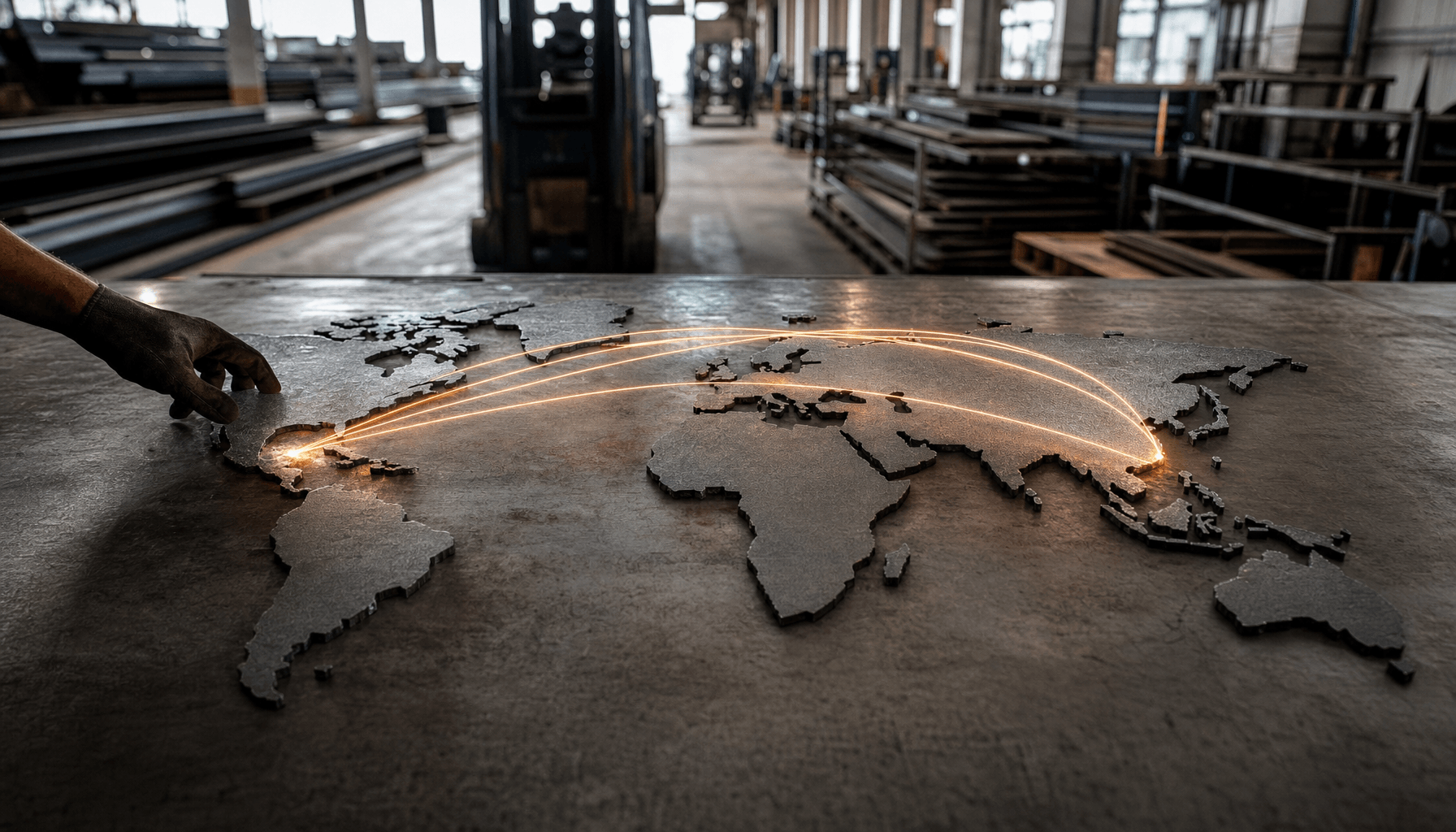
The Cost Reality of Sourcing: China versus Mexico
Sourcing decisions in the sheet metal industry are seldom straightforward, as procurement managers grapple with complex cost structures. In 2026, the question looms: Is sourcing from China or Mexico more cost-effective? With the global sheet metal fabrication market projected to grow from approximately $181.8 billion in 2024 to $272.2 billion by 2030 (Industry research via Dongji 2026-2030 Outlook), procurement managers must carefully assess their options.
Learn more about our our manufacturing process and how we support B2B OEM/ODM projects.
Learn more about our sheet metal fabrication services and how we support B2B OEM/ODM projects.
China: A Powerful Player in Base Cost
China’s advantage often lies in its base cost. With a robust infrastructure and scale, Chinese manufacturers, leading with aluminum outputs of around 45 million metric tons in 2025 (Statista, 2025), offer competitive pricing. The Greater Bay Area, home to companies like Dongji Intelligent Equipment, exemplifies China’s manufacturing might but isn’t the only reason for its lower costs. Technological advancements like robotics, which see penetration exceeding 60% in heavy machinery (Dongji 2026-2030 Outlook), further drive efficiency.
Mexico: Duty and Proximity Benefits
Conversely, Mexico provides benefits through reduced import duties and geographical proximity to the United States, a major market. Such logistical advantages can offset higher base costs, especially when considering lead times and transportation risks. Mexico’s trade agreements with North America reduce barriers, enhancing supply chain integration for North American buyers.
Key Considerations for Procurement Managers
- Transportation Costs: While China’s shipping might seem costly, large volumes can trigger better rates.
- Lead Times: Mexico’s proximity results in quicker deliveries.
- Trade Compliance: Understanding partnership agreements like the USMCA can yield financial advantages.
FAQ
What are the main factors affecting sheet metal landed cost?
The main factors include base material price, import duties, transportation, and lead times.
Is aluminum production significant for cost comparison?
Yes, aluminum is pivotal, with China being the largest producer, this impacts global prices and sourcing strategies.
How does robotics impact manufacturing costs?
Robotics increases efficiency and reduces labor costs, which can significantly lower overall manufacturing expenses.
Industry References
Version 1.0 — Published September 11, 2026 · Editorial review window: 90 days