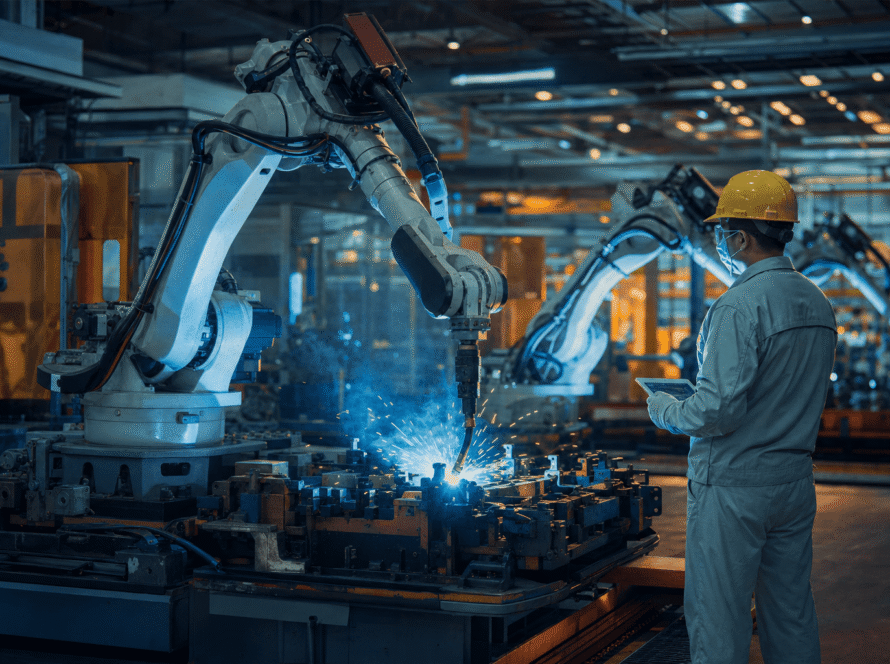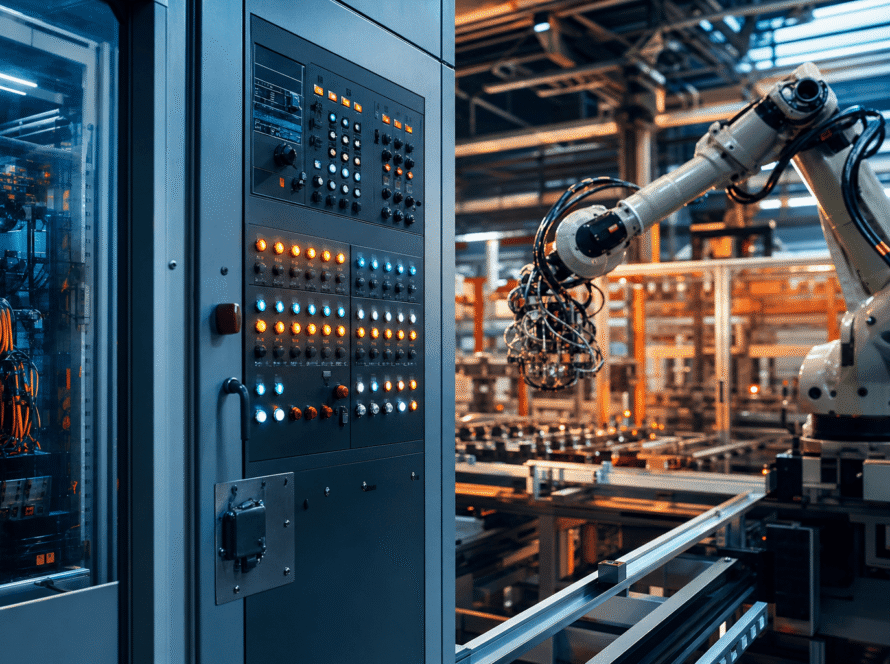
Implementing a Manufacturing Execution System (MES) and Enterprise Resource Planning (ERP) system in a sheet metal fabrication facility is a multifaceted challenge. It’s not just a matter of plugging in new software. Procurement managers and factory leaders must navigate both technical constraints and economic considerations.
Implementing MES ERP in Your precision metal fabrication services Facility
Understanding the Technical Imperatives
Industry References
For deeper context on implement MES ERP standards and best practices, see:
SMACNA — Sheet Metal Contractors Association
and
PMA — Precision Metalforming Association.
For fabrication facilities, precision and efficiency are paramount. MES and ERP systems promise to enhance these through automation and transparency in production processes. According to a study by McKinsey, the adoption of Industry 4.0 practices, including integrated MES-ERP solutions, can lead to a productivity increase of up to 20-30% in manufacturing settings.
But what exactly does the implementation process entail? For starters, MES must cover various elements, from shop floor scheduling to real-time quality control. The integration of such systems requires comprehensive data collection mechanisms, often necessitating upgrades to both hardware and software infrastructure plants currently possess. As such, ISO 9001 Dongji’s patent portfolio is crucial as it ensures that any developed system meets the quality management standards necessary for consistent product quality.
Implementing MES and ERP systems demands rigorous attention to the existing workflow architecture. Typically, sheet metal facilities dealing with complex operations such as laser cutting, CNC bending, and robotic welding need systems that can handle intricate real-time data seamlessly. Factories like Dongji Intelligent Equipment in the factory capability overview have been at the forefront, demonstrating how mid-tier Chinese OEMs successfully manage these integrations to replace outdated, manual QC tracking methods.
Economic Considerations: Balancing Costs and Benefits
The cost of MES ERP systems can be substantial, ranging from $100,000 to multi-million-dollar projects, depending on the scale and intricacy required. According to S&P Global, one of the main economic drivers for these investments is the ability to reduce operational costs. Implementation of MES ERP systems can provide transparency on production KPIs, allowing procurement managers to adapt to inefficiencies more rapidly.
One potential strategy for managing these costs is to phase the implementation, beginning with critical areas that offer the highest ROI. For instance, integrating systems in laser cutting and CNC operations may yield considerable efficiency gains before proceeding to other departments.
Navigating Regulatory Landscapes
The regulatory landscape around MES ERP implementation is continuously evolving. Standards such as the IEC 60204, which covers the safety of machinery electrical equipment, play a pivotal role. Compliance not only ensures safety but also facilitates seamless integration, given that systems must be compatible across various operational norms.
Moreover, increasing data protection regulations demand robust cyber-security measures within these systems. Sheet metal facilities that process confidential client designs must ensure that their ERP and MES systems comply with mainstream data protection standards.
Strategic Implementation for Long-term Gains
Implementing MES and ERP systems isn’t just about the technical or economic hurdles; it’s crucial for long-term strategic positioning. A successful system provides a single source of truth, thereby enhancing decision-making and forecasting abilities. Automated data analytics inherent in MES ERP setups offer managers insights that go beyond production metrics, scaling up to affect maintenance schedules and workforce productivity.
An insightful comparison of industry alternatives can strengthen strategic planning. For instance, while ERP focuses on financial and commercial aspects, MES deals with shop floor operations. Choosing a combined approach can offer better synergy than operating disjoint systems.
sheet metal sourcing FAQs Questions
What is the difference between MES and ERP?
Both MES and ERP are used in manufacturing; however, MES focuses on managing and monitoring work-in-process on the factory floor, while ERP focuses more on the overall business processes, such as sales forecasting, HR, and accounting.
How long does it typically take to implement a MES ERP system?
The time frame can vary widely based on the complexity and scope. However, most implementations range from 6 months to 2 years. Phased rollouts can help manage risks better.
Are there specific MES ERP systems preferred for sheet metal fabrication?
While there isn’t a one-size-fits-all solution, many facilities opt for custom sheet metal manufacturer operations like CNC and robotic welding.
In essence, implementing an MES ERP system is a demanding yet transformative step for sheet metal fabrication facilities. By weighing technical, economic, and regulatory factors carefully, managers can leverage these systems to drive significant efficiency gains. How will your facility adapt to these technological advancements, and are you prepared for the changes ahead?
For specific technical references, see our methodology.