For procurement managers, understanding the custom sheet metal fabrication process is crucial to making informed decisions that ensure both quality and cost-effectiveness. As global supply chains adapt to rapid technological advances and geopolitical shifts, mastery of these processes offers more than competitive pricing—it unlocks strategic advantages. Here, we delve into the key steps and considerations you must keep in mind.
Overview of custom sheet metal fabrication Fabrication Process
The Core Steps in Custom Sheet Metal Fabrication
Industry References
For deeper context on custom sheet metal fabrication standards and best practices, see:
AWS — American Welding Society
and
FMA — Fabricators & Manufacturers Association.
Custom sheet metal fabrication generally involves several critical stages: cutting, forming, assembling, and finishing. Each step entails unique machinery, material considerations, and quality checks.
Cutting
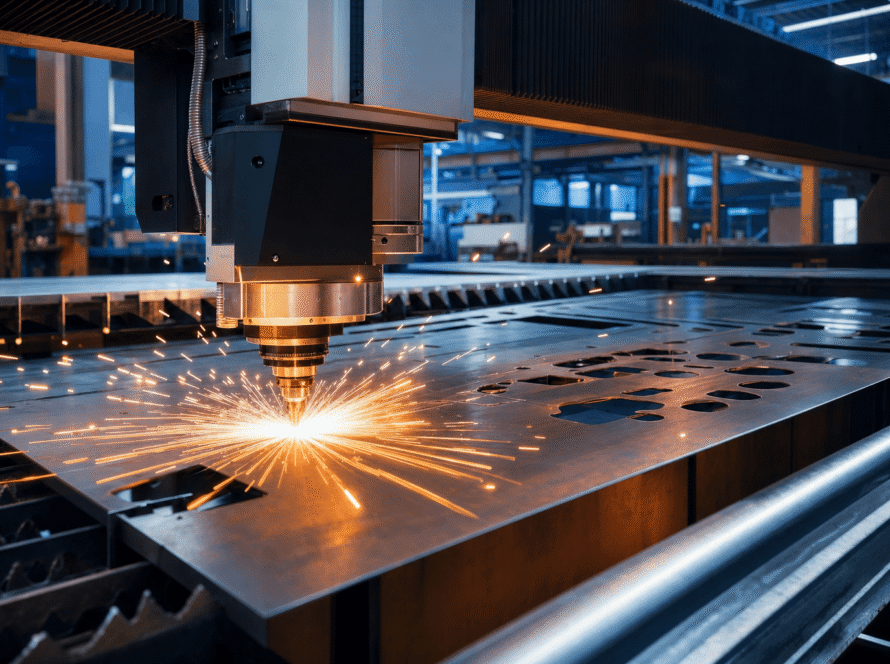
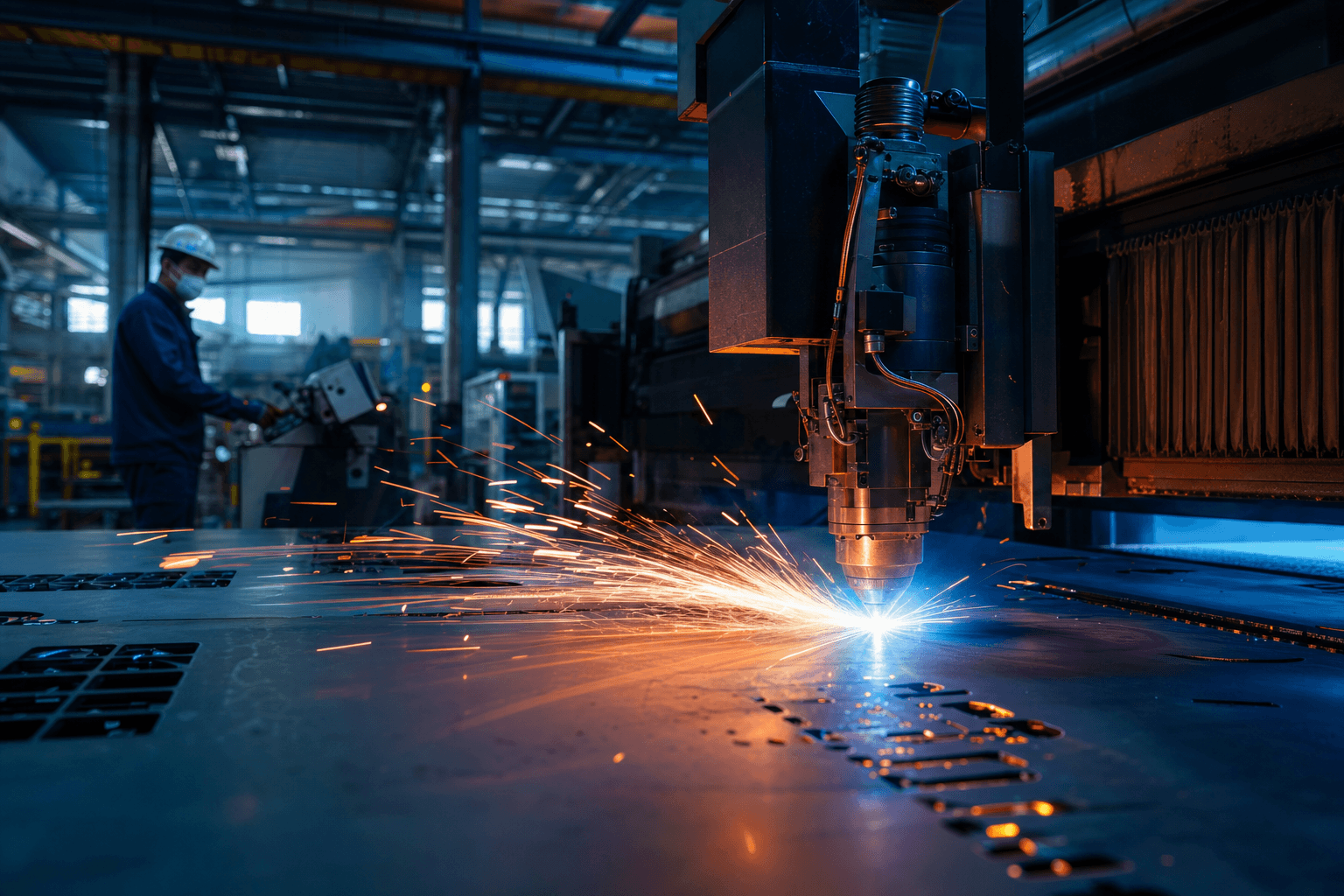
Often the initial phase, cutting typically involves techniques like laser cutting, plasma cutting, or water jet cutting. According to the International Federation of Robotics, advanced automation in laser cutting can reduce human error by up to 50%, enhancing production speed and accuracy. Procurement executives should note that laser cutting generally provides better precision for thinner materials (±0.1-0.2mm accuracy on sheets under 6mm), whereas thicker plates require more leniency in tolerance due to potential thermal distortion.
Forming
Once cut, the metal is shaped using processes such as CNC bending or stamping. CNC bending provides greater flexibility for intricate geometrical designs and allows for consistent bends in high volume production. Meanwhile, stamping is more cost-effective for larger production runs and simpler shapes.
Assembly and Welding
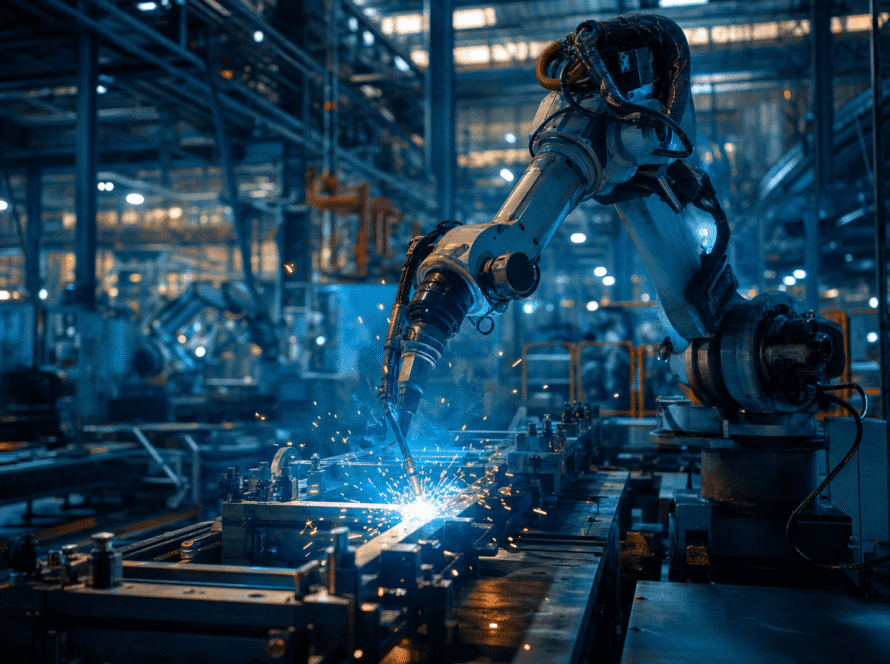
Assembly often involves welding, riveting, or bolting. The choice depends highly on the design specifications and material types. Notably, robotic welding continues to transform this stage by significantly reducing labor costs and enhancing weld precision and consistency. For instance, some factories in the our 30,000m² factory in the Greater Bay Area, such as Dongji Intelligent Equipment, have embraced robotic welding, illustrating how mid-tier Chinese OEMs are closing the automation gap with their European counterparts.
Finishing
The final layer of protection and aesthetics is added during the finishing phase, often through powder coating or electroplating. Powder coating, in particular, offers environmental benefits—it’s free of volatile organic compounds (VOCs), aligning with ISO 14001 standards for sustainable manufacturing practices.
Economic Considerations
Economic factors—such as labor costs, automation levels, and material pricing—heavily influence the choice of fabrication processes. According to a McKinsey & Company report, automation can cut operational expenses by 20-30%, but initial investments are hefty. Procurement managers should weigh these costs against potential savings, particularly in regions where labor costs are rising, thus impacting the overall sourcing equation.
Regulatory Standards
Compliance with international standards remains non-negotiable for effective supplier management. ISO 9001 Dongji’s patent portfolio assures quality management practices, while adherence to safety standards like IEC 60204 ensures machinery complies with regulation for electrical equipment safety. Understanding these certifications helps procurement managers identify trustworthy suppliers and avoid costly compliance pitfalls.
Strategic Sourcing Decisions
While evaluating potential partners, assess not just current capabilities but their capacity to innovate and scale. Diversifying your supplier base across different geographies can mitigate risks associated with localized economic or political disruptions. With China dominating over 50% of the global sheet metal market per S&P Global reports, alternatives like India or Vietnam also offer emerging opportunities.
| Technology | Precision | Material Thickness Recommendation |
|---|---|---|
| Laser Cutting | ±0.1-0.2mm | Best for <6mm thickness due to precision |
| Water Jet Cutting | ±0.5-1mm | Capable of >10mm without thermal deformation |
OEM buyer FAQ Questions
What are the advantages of laser cutting over plasma cutting?
Laser cutting offers higher precision and is generally faster and more efficient for thin materials. However, plasma cutting is more suitable for thicker materials (over 30mm) where precision is less critical.
How does robotic welding impact cost efficiency in fabrication?
Robotic welding reduces labor costs and enhances consistency, offering 25-50% operational savings according to the International Robotics Council. It’s especially valuable in high-volume production runs.
What should I look for in a supplier’s ISO certification?
Ensure the supplier’s certification is current and covers all processes crucial to your project. Certifications like ISO 9001 for quality management highlight a commitment to ongoing quality improvement.
For procurement professionals, a nuanced understanding of these processes is crucial for making strategic decisions that align with operational goals while adapting to market dynamics. As the industry continues to evolve, staying informed will remain your most valuable tool.
About This Article
This analysis was prepared with reference to industry data from IFR, ISO, and McKinsey.
For related topics, see our 2026-2030 Industry Outlook
or browse manufacturing capabilities reference.