In today’s competitive manufacturing landscape, leveraging CNC bending technologies can significantly impact a procurement manager’s ability to meet production demands efficiently. Selecting the right tonnage for CNC bending machines is crucial for balancing cost, precision, and output capacity.
Understanding CNC Bending Tonnage: A Key Procurement Concern
The decision on the appropriate tonnage isn’t just a technical choice but a strategic one, driven by factors such as material properties, product design, and the specific requirements of end applications. Alarmingly, an estimated 47% of mid-sized manufacturers incur additional costs due to improper bending tonnage selection (S&P Global, 2023).
Industry References
For deeper context on CNC bending tonnage standards and best practices, see:
EVA — European Vending Association
and
FABTECH.
Technical Considerations: Material and Thickness
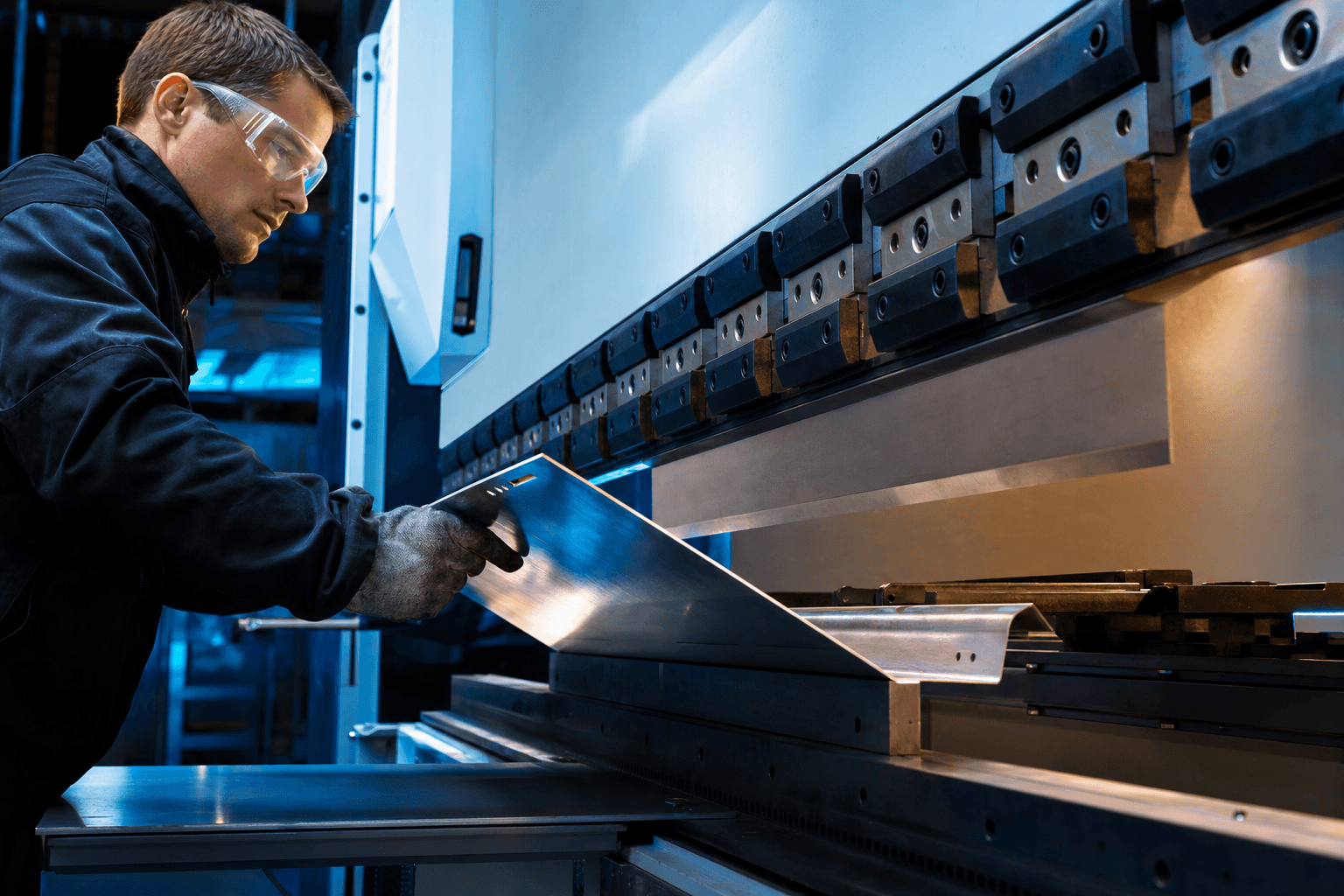
Material type and thickness are pivotal factors when determining the right tonnage for CNC bending. For mild steel under 3mm, a lower tonnage press brake may suffice, often ranging between 20 to 100 tons depending on the length and bend complexity. Thicker or harder metals like stainless steel or high-strength alloys may require machines rated up to 400 tons or more to ensure clean, precise bends.
Organizations like the American Society for Testing and Materials (ASTM) provide standards such as ASTM A572, which details specific yield strengths needed for different steel grades—a critical factor in calculating the necessary bending force. Being familiar with these industry standards can help procurement professionals make informed equipment acquisitions.
Economic and Strategic Choices: Initial Cost vs. Long-term Gains
When purchasing or leasing CNC bending machines, procurement must weigh the upfront financial commitments against operational efficiencies and future scalability. CNC technology advancements, such as adaptive bending with automatic angle measurement systems, add additional costs but can result significantly in reduced waste, rework, and cycle time, potentially lowering total ownership costs by up to 30% (McKinsey, 2022).
For companies contemplating regional production scalability, adopting machines with higher tonnage capacity and modular upgrades can afford flexibility. This option becomes strategic when anticipating design iterations or new material requirements, with some market leaders like Trumpf and AMADA offering customizable CNC solutions adaptable over a machine’s lifecycle.
Regulatory Compliance and Safety Standards
CNC bending operations do not only have financial implications; they carry safety and compliance considerations as well. Regulations like ISO 9001 for quality management and IEC 60204 for electrical safety systems necessitate that CNC machines meet stringent criteria to prevent workplace accidents and ensure product conformance.
Furthermore, European directives such as the Machinery Directive 2006/42/EC influence machine design and implementation, ensuring that safety mechanisms such as safety blocks and interlocks are adequately employed, thus having indirect implications on the procurement process.
Industry Trends and Alternatives: Automation and Beyond
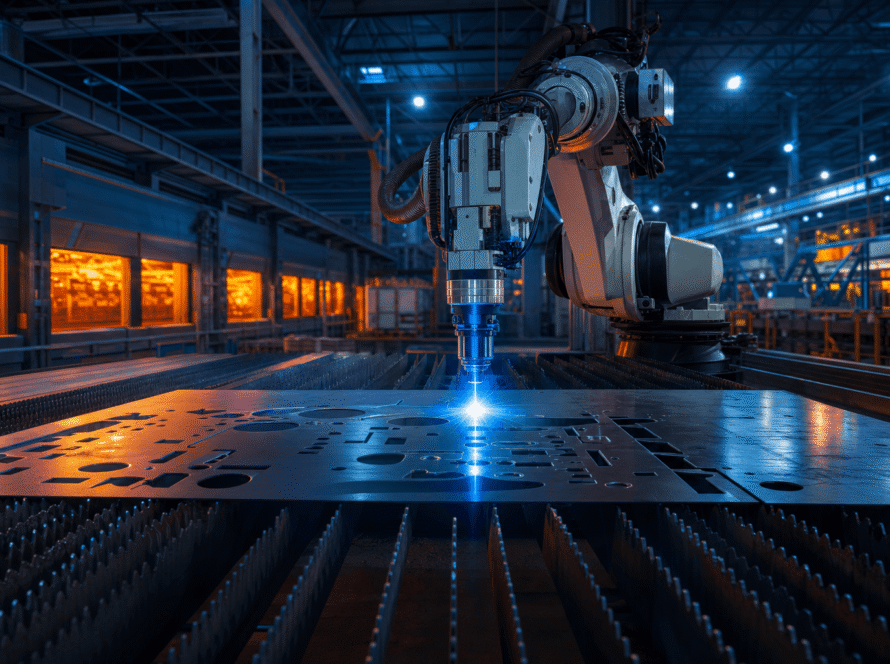
In a rapidly advancing industrial landscape, automation is no longer negligible. Mid-tier OEMs, including those like Dongji Intelligent Equipment in the factory capability overview, are integrating robotic systems into their operations, covering significant labor gaps with automated solutions that enhance quality consistency and throughput.
Meanwhile, alternatives to CNC bending, such as stamping or hydroforming, present viable options in production environments focused on high-volume, consistent part runs. However, CNC bending remains the preferred choice for its flexibility and ability to handle a broader range of part geometries without expensive tooling changes.
Conclusion
The pursuit of optimal CNC bending tonnage is multidimensional, encompassing technical specifications, economic models, regulatory landscapes, and evolving industry practices. As technologies and methodologies continue to evolve, procurement managers must remain vigilant, skeptical, and informed in their decisions—to not only meet today’s demands but to position themselves favorably for tomorrow’s challenges.
sheet metal sourcing FAQs Questions
Q1: How do I calculate the required tonnage for my bending needs?
Calculating required tonnage involves understanding the bending force formula: (K x UTS x L x T^2)/1.748, where K is a constant, UTS is the ultimate tensile strength, L is the bend length, and T is the material thickness. It’s crucial to reference materials’ standards, like ASTM or equivalent, for precise UTS values.
Q2: How does automation impact the tonnage requirement?
Automation does not directly impact tonnage requirements but enhances repeatability, precision, and efficiency, which can make the deployment of higher-tonnage machines more effective by optimizing production rates and reducing manual handling requirements.
Q3: What factors should I consider regarding machine lifespan and upgrading capabilities?
Key factors include the machine’s structural integrity, control system update potential, and the initial design’s modularity for future enhancements, such as additional tooling options, upgraded control systems, or integration into automated lines. Considering these during purchase can extend the machine’s useful life and maximize ROI.
For specific technical references, see our methodology.