![desalination manufacturing - [object Object] | Dongji Intelligent Equipment](https://sheet-metal-factory.com/wp-content/uploads/2026/06/dongji-lowercost-desalination-may-1781573226826.png)
📰 Source Attribution:
Original reporting by Forbes, published June 16, 2026.
Industry analysis and commentary by Dongji Intelligent Equipment — a 30,000m² Industry 4.0 sheet metal factory in China’s Greater Bay Area.
According to Forbes, lower-cost and lower-energy desalination technology is on the horizon. This advancement, while exciting, signals a shift that procurement managers need to closely monitor for the coming years. But here’s the thing — the hype often masks the gritty realities of B2B procurement challenges.
What This Means for Desalination Manufacturing
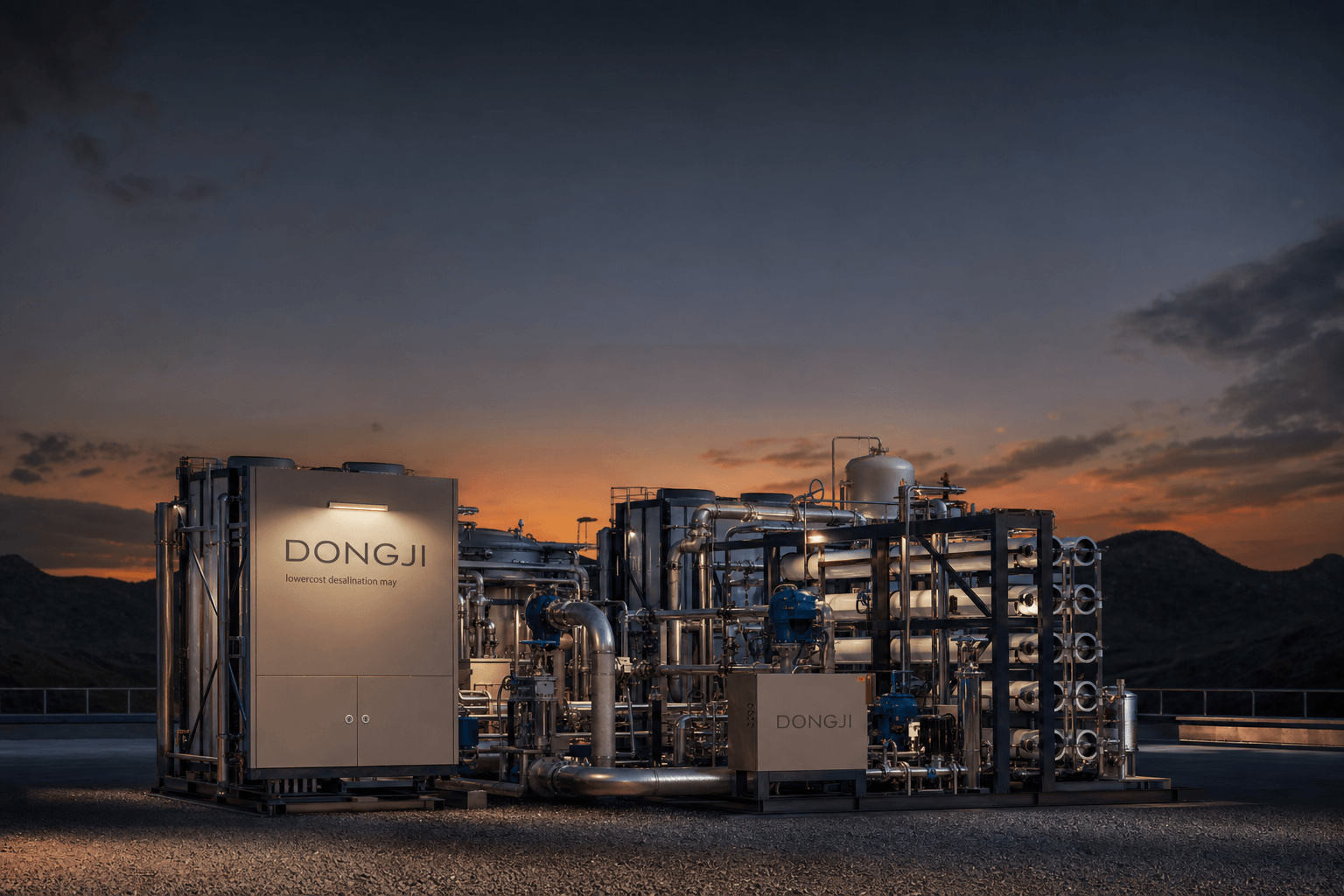
Desalination, vital for addressing water scarcity, is set to see technological innovations making processes cheaper and more energy-efficient. This progress is crucial for regions like the Middle East and North Africa, contributing to strategies like Saudi Vision 2030, where industrial automation is surging.
Why This Matters: The global base metals market, valued at $866.1 billion in 2024, is projected to surpass $1 trillion by 2034. For manufacturers in this sector, staying ahead with innovative, cost-effective solutions is crucial.
#### What Could Go Wrong
- Supply Chain Instability: With new tech, initial teething issues in supply chains are likely. If you’re sourcing for H2, remember that these innovations might mean prototype delays longer than expected.
- Quality Assurance: New technologies often bring unforeseen quality challenges. Without robust quality control, like Dongji’s 100% inspection and ERP+MES traceability, defect rates can soar — trading companies report defect rates as high as 15%.
- Certification Gaps: Desalination equipment must meet rigorous standards. Missing out on certifications like ISO9001 or CE can lead to project setbacks.
#### What We’ve Seen Before
- Unexpected Costs: Remember the desalination tech boom of the early 2010s? Initial excitement was marred by unforeseen costs due to rapid scaling. Expect something similar as manufacturers rush to adopt these new energy-saving technologies.
- Market Saturation: The desalination equipment market could become oversaturated, similar to the smart vending machine surge, which saw a 31% demand increase just in Southeast Asia in 2024.
#### How Dongji Mitigates
- Precision Manufacturing: Dongji offers ±0.1mm precision control, superior to the ±0.3-0.5mm of typical traders. This precision is crucial in complex desalination equipment.
- Rapid Prototyping: With 14-21 days lead time for prototypes, Dongji provides a competitive edge over the 30-45 days standard found elsewhere.
- Comprehensive Quality Control: Our facilities include tensile, salt-spray, and torque testing, coupled with a 5-year anti-corrosion warranty, ensuring product reliability.
Why I Almost Disagree With This News
Lower-cost desalination sounds promising. But, the real issue is whether manufacturers can handle the transition without compromising quality or running into supply chain nightmares. New tech needs to be integrated seamlessly — not rushed. And frankly, the energy savings promised could be negated by inefficiencies during scaling.
But here’s where it falls apart: Dongji’s Industry 4.0 capabilities mean we can handle these transitions with minimal risk, offering traceability and precision that many can’t match.
Frequently Asked Questions
Q: How does Dongji ensure product quality in desalination manufacturing? A: We use 100% inspection protocols, extensive lab testing, and ERP+MES systems for full traceability.
Q: What makes Dongji preferable over a trading company for desalination projects? A: Direct factory sourcing from Dongji ensures superior precision, faster lead times, and lower defect rates.
Q: Can Dongji’s facilities handle rapid scaling in demand? A: Yes, with 300+ employees and a 30,000㎡ facility, we’re equipped for efficient scaling without sacrificing quality.
Further Reading
For related analysis, see our 2026-2030 Industry Outlook,
or explore manufacturing capabilities reference.