In a world increasingly driven by automation and consumer convenience, smart fresh juice vending machines have emerged as an intriguing proposition for vending operators looking to diversify their offerings and maximize engagement with health-conscious consumers. The potential for these machines is vast, but understanding the return on investment (ROI) is crucial for making informed procurement decisions.
Introduction
The Economic Perspective: Calculating ROI
Industry References
For deeper context on ROI smart juice machines standards and best practices, see:
TWI — The Welding Institute
and
EVA — European Vending Association.
Calculating the ROI of smart juice vending machines involves several layers of cost and benefit analysis. First and foremost, vending operators must consider the initial capital outlay, including equipment purchase and installation costs. According to McKinsey & Company, a comprehensive understanding of total cost ownership is pivotal in achieving sustainable profitability in automated vending.
Beyond the initial expenses, operational costs such as maintenance, product replenishment, and energy consumption must be considered. On average, modern smart juice machines offer energy-efficient technologies, yet they still consume between 1-1.5 kWh per day, depending on usage, as reported by the International Energy Agency. This factor should be incorporated into any cost analysis.
While costs are crucial, it’s the expected revenue dynamics that underscore the ROI calculus. Factors such as product pricing, consumer demand, and location optimization play significant roles. Smart juice vending machines can command a premium due to their freshness and convenience, potentially leading to higher margins.
Technological Insights: Smart Machine Capabilities
Modern smart juice machines are equipped with several advanced features aimed at enhancing user experience and operational efficiency. Many machines come with IoT integration, enabling real-time monitoring of stock levels and machine performance. According to the International Federation of Robotics (IFR), such integration not only improves efficiency but also reduces downtime by approximately 20% compared to non-connected systems.
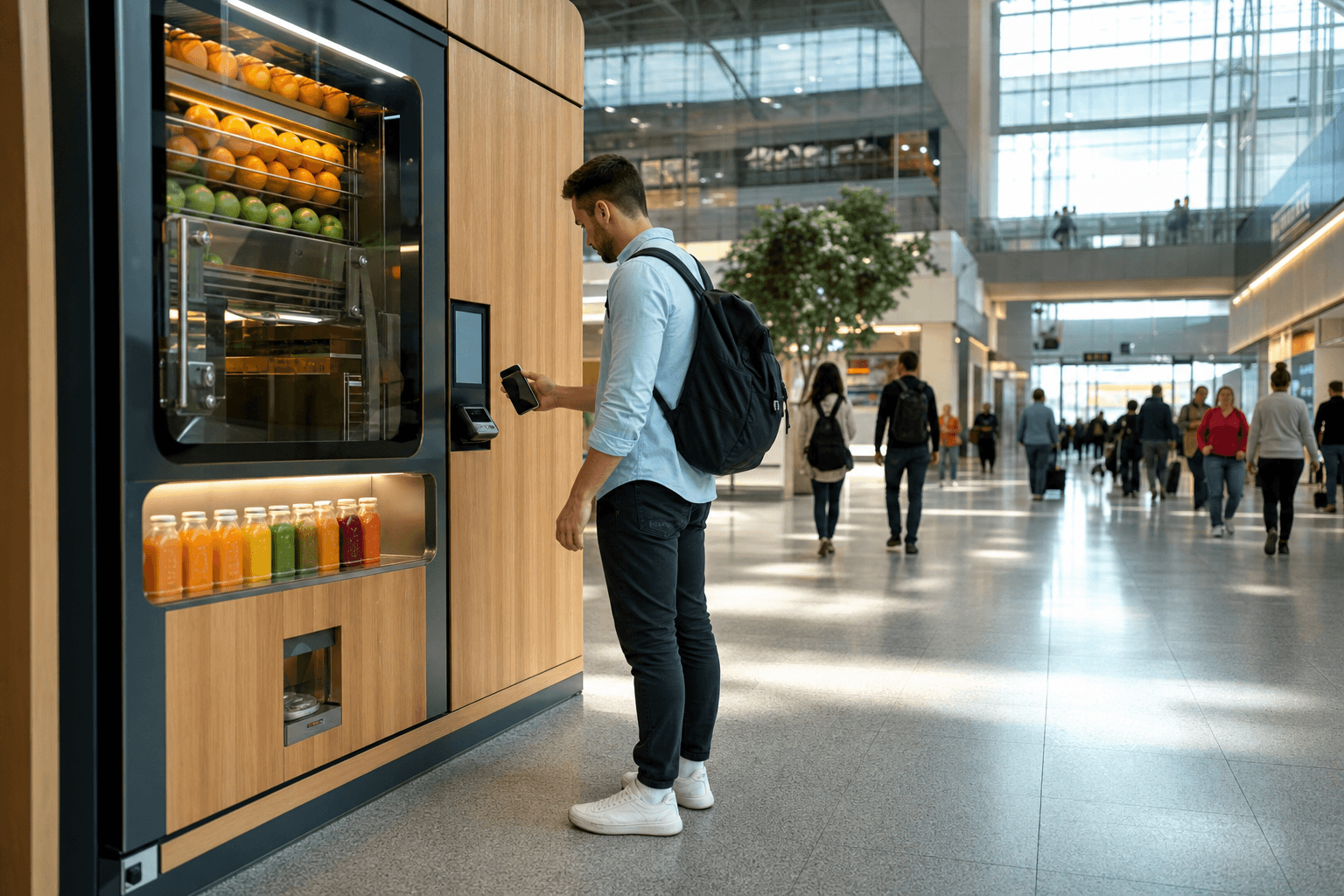
Additionally, advancements in touchless technology have become more pertinent post-COVID-19, improving consumer confidence in using vending machines. Options range from advanced QR code systems to NFC-enabled payment solutions, varying in implementation but sharing the common goal of enhancing accessibility and hygiene.
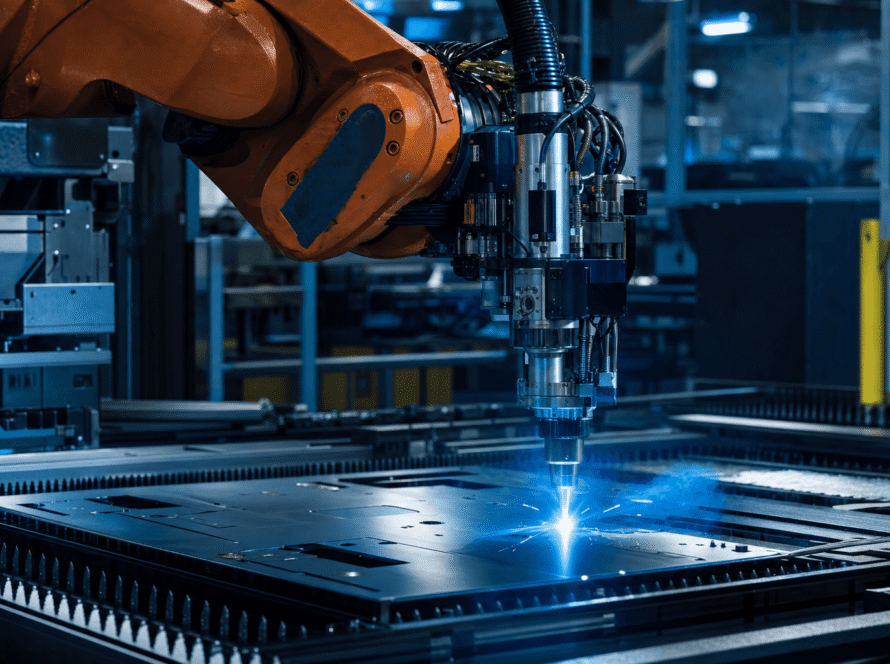
Furthermore, the use of robotics in self-cleaning capabilities showcases a move toward maintenance automation. Manufacturers like Dongji Intelligent Equipment in the our 30,000m² factory in the Greater Bay Area have incorporated robotic systems in equipment manufacturing that illustrate a trend toward reducing maintenance frequency and associated labor costs significantly.
Standards and Regulations: Meeting Compliance
Ensuring compliance with international food safety and equipment standards is a critical aspect of deploying smart juice vending machines. ISO 22000 standards provide a benchmark for food safety management, ensuring that vending machines operate within safety norms universally recognized.
Additionally, IEC 60204-1 standards outline essential conditions related to the safety of machines’ electrical equipment, underscoring components like circuit integrity and operational safety. Operators must ensure machines comply with these standards to mitigate risks and ensure consumer safety.
Strategic Considerations for Vending Operators
The strategic selection of machine location is often a determinant factor in achieving desirable ROI. For instance, situating machines in high foot traffic areas such as shopping malls, airports, or health clubs enhances visibility and consumer engagement, driving higher revenue.
Another strategic layer involves product diversification and understanding consumer behavior. Offering varied juice options tailored to local tastes can maximize appeal and consumer satisfaction. Research by S&P Global suggests that adopting a diversified portfolio in vending offerings can enhance consumer retention by up to 30%.
Fleet management is another consideration, particularly relevant for operators managing multiple machines. Implementing a centralized management system can streamline operations and data analytics, leading to informed stock management and predictive maintenance opportunities.
OEM buyer FAQ Questions
What is the typical ROI period for a smart juice vending machine?
The ROI period for a smart juice vending machine typically ranges from 12 to 24 months, depending on factors like initial cost, location, and consumer demand. Implementing energy-efficient technologies and optimizing machine locations can aid in shortening this period.
Are smart self-service equipment OEM machines regulated for food safety compliance?
Yes, smart vending machines must adhere to international food safety standards, such as ISO 22000, ensuring that they maintain high hygiene and safety levels. This compliance is crucial for ensuring consumer safety and building trust.
How do smart vending machines handle maintenance and downtime?
Modern smart vending machines are equipped with IoT capabilities and predictive maintenance algorithms that help monitor machine performance and preemptively address issues, minimizing downtime. Robotics have also been introduced for tasks like self-cleaning, further reducing maintenance requirements.
In conclusion, evaluating the ROI of smart juice vending machines involves a blend of economic analysis, technological understanding, regulatory compliance, and strategic foresight. Operators considering investment in these machines must traverse a complex decision-making landscape to ensure profitability and consumer satisfaction.
Further Reading
Have a specific procurement question? Our buyer FAQ
addresses common concerns around lead time, certifications, and DFM.
For factory verification standards, see our 12-step manufacturing process documentation.