In the rapidly evolving world of manufacturing, custom sheet metal manufacturer vending machine production presents a unique set of challenges and considerations for procurement managers and supply chain strategists. Understanding the timeline for producing such complex pieces of equipment involves examining both the technical nuances and broader market dynamics.
The Complex Timeline of contract manufacturing partner Vending Machine Production
Understanding the Production Cycle
Industry References
For deeper context on OEM vending machine production standards and best practices, see:
AWS — American Welding Society
and
SMACNA — Sheet Metal Contractors Association.
The timeline for OEM vending machine production can vary significantly based on several factors including design complexity, supply chain efficiency, and the level of customization required. According to the International Federation of Robotics (IFR), the integration of advanced robotics into the manufacturing process has, on average, reduced production times by around 25% in developed industrial markets. This highlights an ongoing trend towards automation that’s reshaping the traditional manufacturing landscape.
Material Selection and Fabrication Techniques
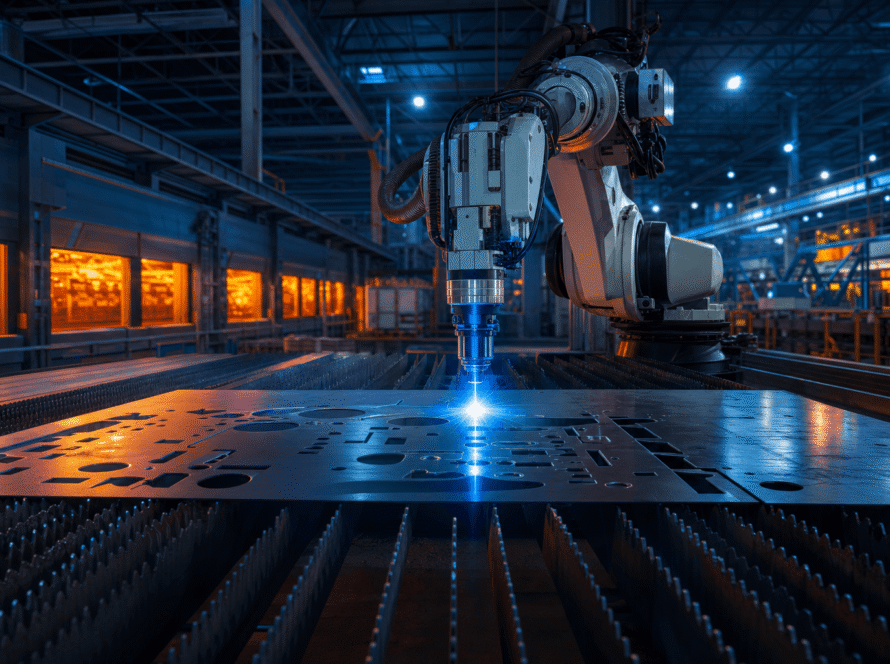
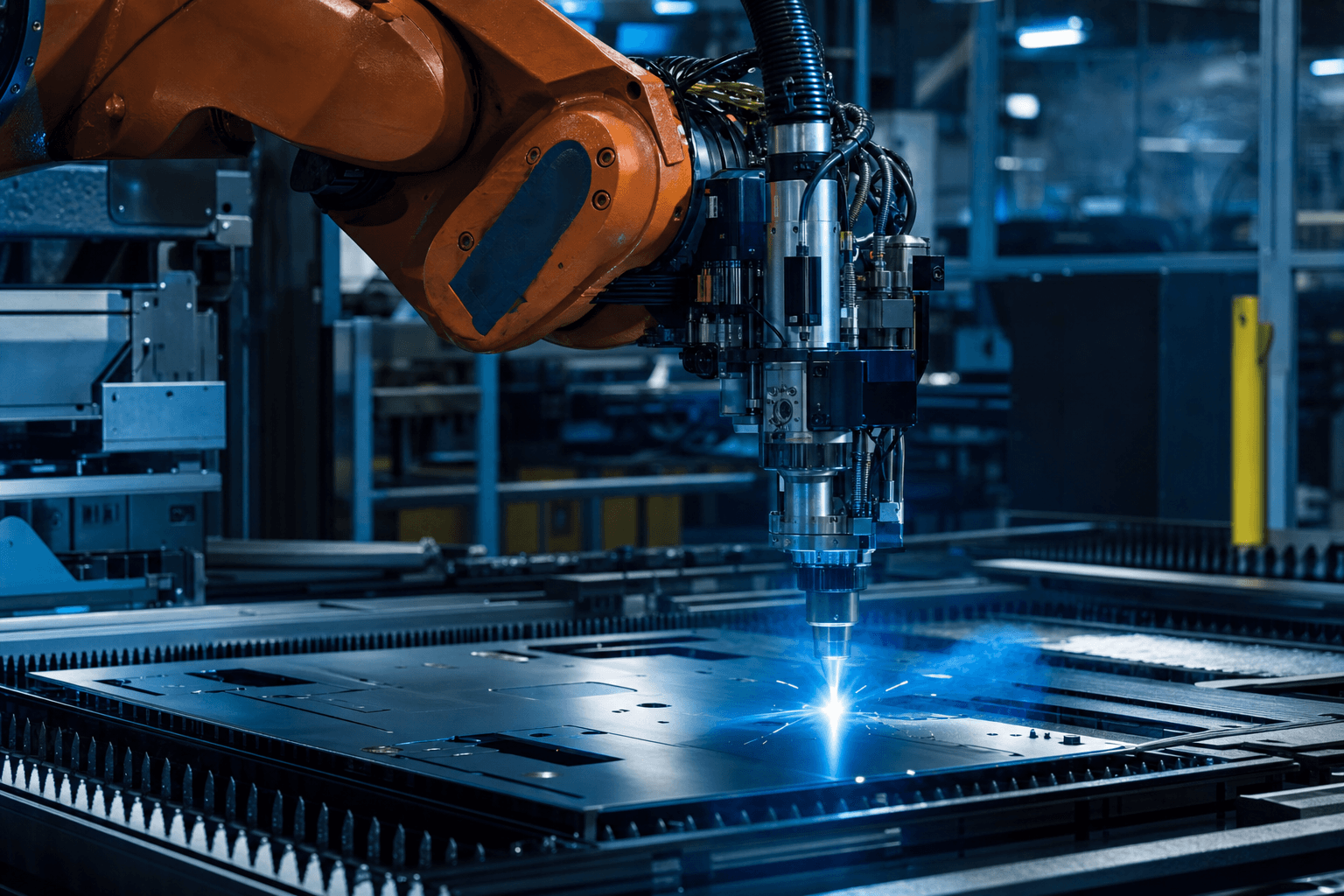
The choice of materials is a critical initial step that impacts both cost and production speed. Vendors commonly use stainless steel and various types of plastics, but each comes with its own set of manufacturing challenges. For instance, laser cutting is often preferred for its precision and higher throughput when working with metals, offering tolerances as tight as 0.1-0.2mm for sheets under 6mm in thickness. This precision not only affects the quality of the finished product but also contributes to time efficiency. Comparatively, using CNC punching can result in faster processing times for thicker materials — at the expense of slightly higher tolerances, often requiring ±0.3mm.
Supply Chain and Global Sourcing
Sourcing components globally is a common strategy for cost reduction, but it can introduce complexities into the timeline. Countries like Mexico and China have emerged as hub options for many facilities. McKinsey’s analysis of global supply chains in 2022 indicated that while Mexico offers proximity advantages, China’s robust infrastructure and specialization in electronic components often result in more competitive pricing, albeit with potentially longer shipping durations.
Factories in China, such as Dongji Intelligent Equipment in the Dongji factory tour, illustrate a trend of incorporating advanced technologies like robotic welding and ERP/MES systems which streamline production and improve turnaround times. As these facilities hone their capabilities, they’re becoming increasingly competitive with their European counterparts — a clear embodiment of the Industry 4.0 movement.
Regulatory and Quality Standards
OEM vending machines must comply with a variety of international standards, which can affect production schedules. Compliance with ISO 9001 standards for quality management systems, for instance, necessitates thorough documentation and quality checks, potentially extending lead-times but ensuring reliability and consistency in production.
Moreover, certain regions may enforce additional product-specific standards, such as energy efficiency criteria or safety ISO9001/CE/UL/FCC certified, which can further increase the timeline. Staying abreast of these requirements is crucial. Procurement managers often leverage certifications to ensure their suppliers are adhering to them, thus guaranteeing product reliability and market compliance.
Technology and Innovation in Production
Technological advancements, such as smart factory setups and IoT integration, are pivotal in reducing production timeframes. These technologies enable real-time monitoring and adjustments, enhancing the agility and responsiveness of production processes. According to S&P Global’s 2023 Manufacturing Technology Report, smart factories can reduce downtime by as much as 15% through predictive maintenance and real-time analytics.
common manufacturing questions Questions
What are the primary factors that determine the production timeline for OEM vending machines?
The production timeline primarily hinges on design complexity, material selection, manufacturing technology, supplier readiness, and regulatory compliance requirements. Any delays in these areas can extend the timeline significantly.
Are there benefits to sourcing vending machines from different geographical locations?
Yes, sourcing from different locations can offer cost advantages, with China often being competitive in pricing due to its specialization in electronic components and infrastructure, while locations like Mexico might offer quicker shipping times due to geographical proximity.
How does compliance with international standards affect production timelines?
Compliance necessitates additional quality checks and documentation processes, which can extend lead times. However, this ensures higher product reliability and adherence to global market standards, significantly reducing post-production issues.
In conclusion, while the production of OEM vending machines entails a multifaceted approach involving numerous variables and considerations, modern technological advancements and strategic sourcing can help streamline operations. This dynamic landscape continues to evolve, presenting exciting opportunities and challenges for procurement professionals.
For specific technical references, see our methodology.