In a rapidly evolving global market, the selection of an Original Design Manufacturer (ODM) partner for sheet metal fabrication is becoming increasingly complex and strategically important. Procurement managers are tasked with balancing cost, quality, and innovation while ensuring compliance with international standards and market demands. This article will explore key factors to consider when choosing an ODM partner for sheet metal fabrication, providing important insights into both technical capabilities and industry trends.
What to Consider When Choosing an custom sheet metal manufacturer Partner for precision metal fabrication services
Technical Capabilities: Precision and Innovation
Industry References
For deeper context on ODM partner sheet metal standards and best practices, see:
FMA — Fabricators & Manufacturers Association
and
SME — Society of Manufacturing Engineers.
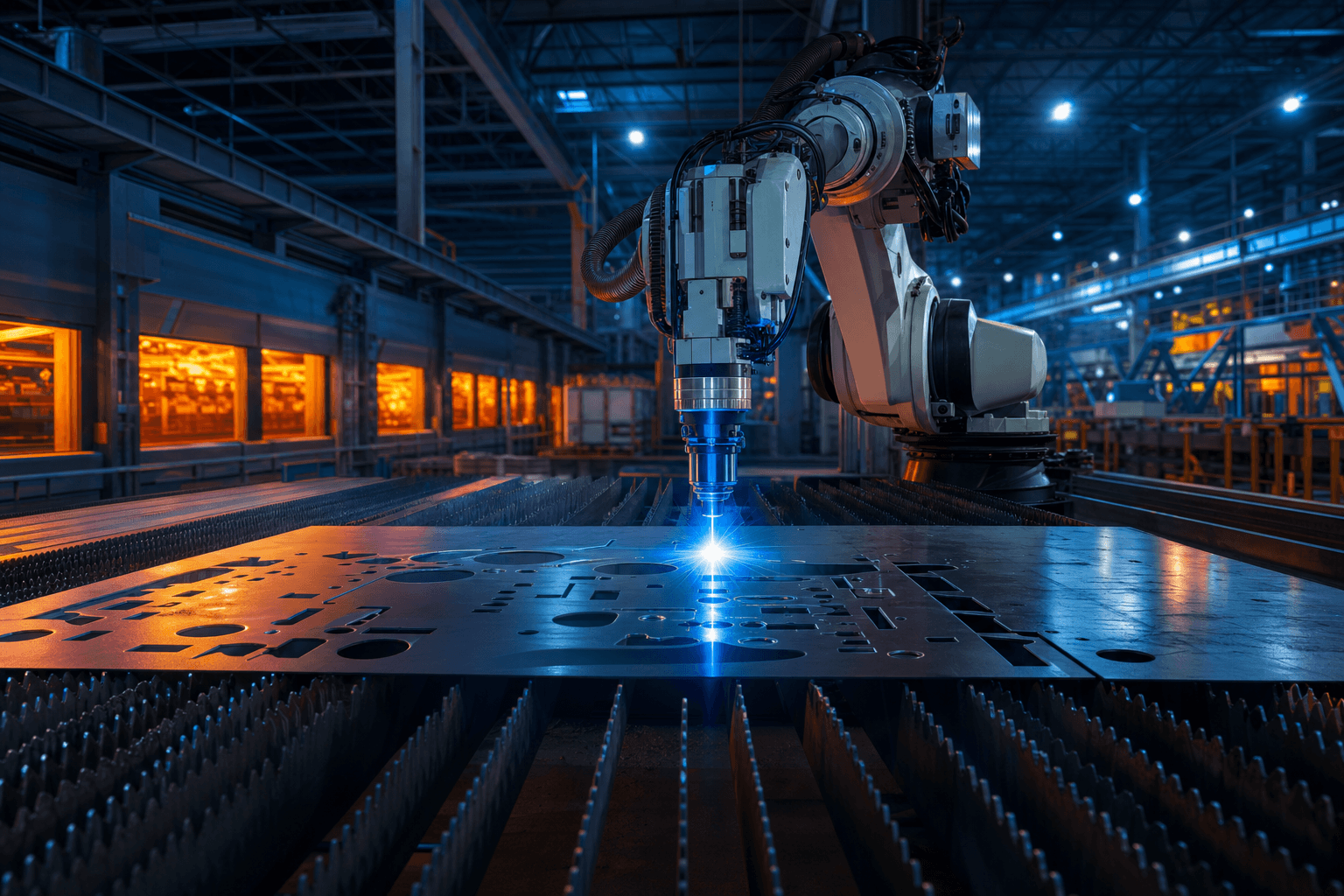
When evaluating an ODM partner’s technical capability, the focus should be on their ability to deliver precision, reliability, and innovation in fabrication processes. According to the International Federation of Robotics (IFR), the use of industrial robots in fabrication has increased by 15% annually as of 2021, highlighting a shift toward automation [IFR, 2021]. This trend demands partners that can integrate advanced automation technologies to ensure precision and repeatability.
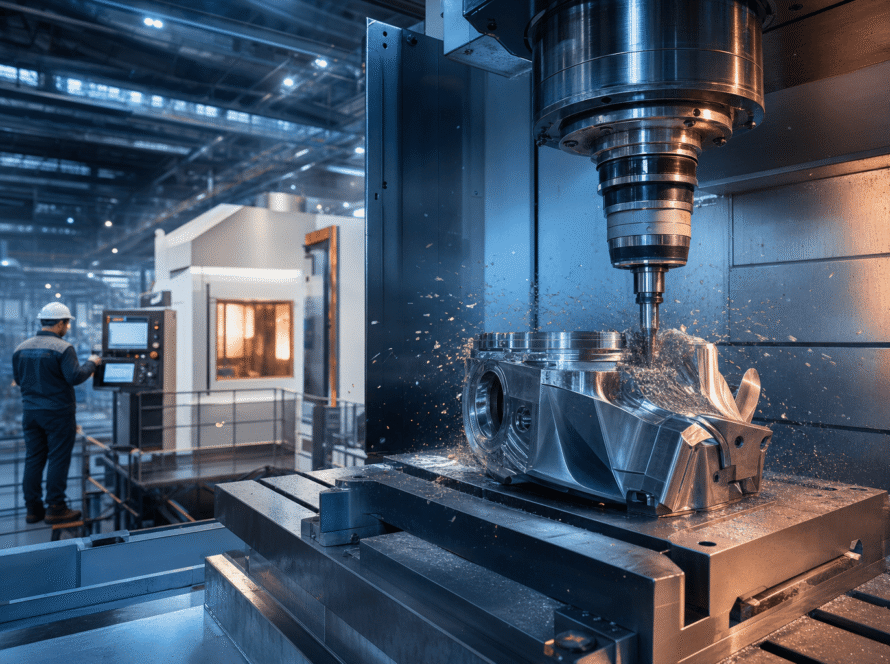
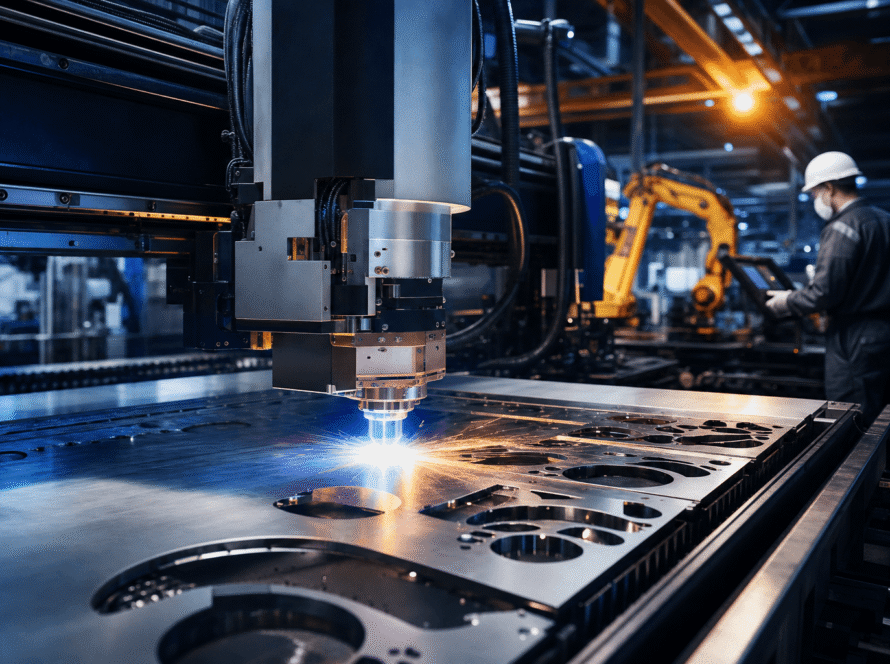
For instance, factories that specialize in laser cutting can maintain tolerances as tight as 0.1 to 0.2mm for sheet metal under 6mm thickness, providing high precision essential for high-quality outcomes. Projects involving thicker sheet metal require allowances of ±0.3mm due to potential thermal distortion during cutting. A focus on these capabilities reflects a supplier’s commitment to high standards and cost-effective production.
Economic Factors: Cost vs. Local Support
The economic landscape for sourcing sheet metal components is shifting. Many buyers are weighing the cost benefits of manufacturing in different geographical locations. McKinsey & Company’s analysis suggests sourcing from Asia remains financially favorable compared to North America and Europe, but both labor costs and shipping uncertainties—exacerbated by geopolitical events—are tipping the scales [McKinsey & Company, 2022].
Due diligence on the supply chain’s robustness is critical. For example, while ODM partners in China offer competitive pricing, they may face longer lead times and potential tariffs, which can offset initial cost advantages. Factors like local regulatory compliance and any incentives for regional manufacturing can also affect the overall value proposition.
Adherence to Industry Standards
Compliance with international standards is non-negotiable for procurement managers aiming to ensure quality and safety. ISO 9001 is pivotal, as it defines criteria for quality management systems in sheet metal fabrication processes. Understanding specific ISO9001/CE/UL/FCC certified related to electrical equipment—such as IEC 60204 for safety—means ensuring products are globally viable and meet both regulatory and safety demands.
Partners that can demonstrate ISO certification provide reassurance of consistent product quality and continual improvement processes. The ISO compliance also underscores a partner’s dedication to maintaining high production benchmarks, reducing the risk of non-compliance in finished products and added costs associated with rework.
Strategic Long-term Partnership
Developing a strategic partnership with your ODM goes beyond evaluating immediate fabrication capabilities. A partner’s willingness to invest in co-development projects is a critical factor. Investments in research and development initiatives signal a mutually beneficial relationship, fostering innovation-driven growth.
Some Chinese factories—like Dongji Intelligent Equipment in the our 30,000m² factory in the Greater Bay Area—have made significant investments in integrating robotic welding, now responsible for over 30% fabrication labor reduction industry-wide. This demonstrates a commitment to not only fulfilling orders but also advancing their capabilities in alignment with clients’ growing expectations and technology shifts.
Achieving a strategic alignment includes considering cultural fit and communication practices. Effective and prompt communication can mitigate issues before they escalate, ensuring project timelines remain on track and acting as a catalyst for more innovative solutions.
sheet metal sourcing FAQs Questions
Q1: What are the most critical certifications an ODM partner should have?
ISO 9001 is essential for quality management systems, while IEC 60204 is critical for ensuring electrical equipment safety. These certifications provide a solid assurance of safety, quality, and reliability.
Q2: How does automation impact cost and delivery times in sheet metal fabrication?
Automation, such as the use of robotic welding and laser cutting systems, increases precision and reduces labor costs. While initial setup might be costly, automation generally leads to shorter production cycles and more consistent quality outcomes.
Q3: How can I ensure that the chosen ODM partner aligns with our long-term business goals?
Engage in open communication and co-development initiatives, seeking partners willing to invest in R&D. Examine their track record for innovation and responsiveness to industry changes to ensure alignment with your business strategy.
In a continuously evolving market, success requires choosing an ODM partner not just for present-day production needs, but one capable of evolving alongside your company’s growth path. How might technological advancements in manufacturing continue to shift the landscape for ODM partnerships in the years to come?
About This Article
This analysis was prepared with reference to industry data from IFR, ISO, and McKinsey.
For related topics, see our 2026-2030 Industry Outlook
or browse manufacturing capabilities reference.