In the fast-paced world of food and beverage service, efficiency and cost-effectiveness are crucial for sustaining profitability. Restaurants, cafes, grocery stores, and hotels often contemplate integrating commercial fresh orange juicer machines into their operations. However, before making a significant capital investment, procurement managers need a thorough cost-benefit analysis to ensure a favorable return on investment (ROI).
Understanding the Cost-Benefit Analysis of Commercial Fresh Orange Juicer Machines
Economic Considerations
Industry References
For deeper context on commercial orange juicer machines standards and best practices, see:
NAMA — National Automatic Merchandising Association
and
FMA — Fabricators & Manufacturers Association.
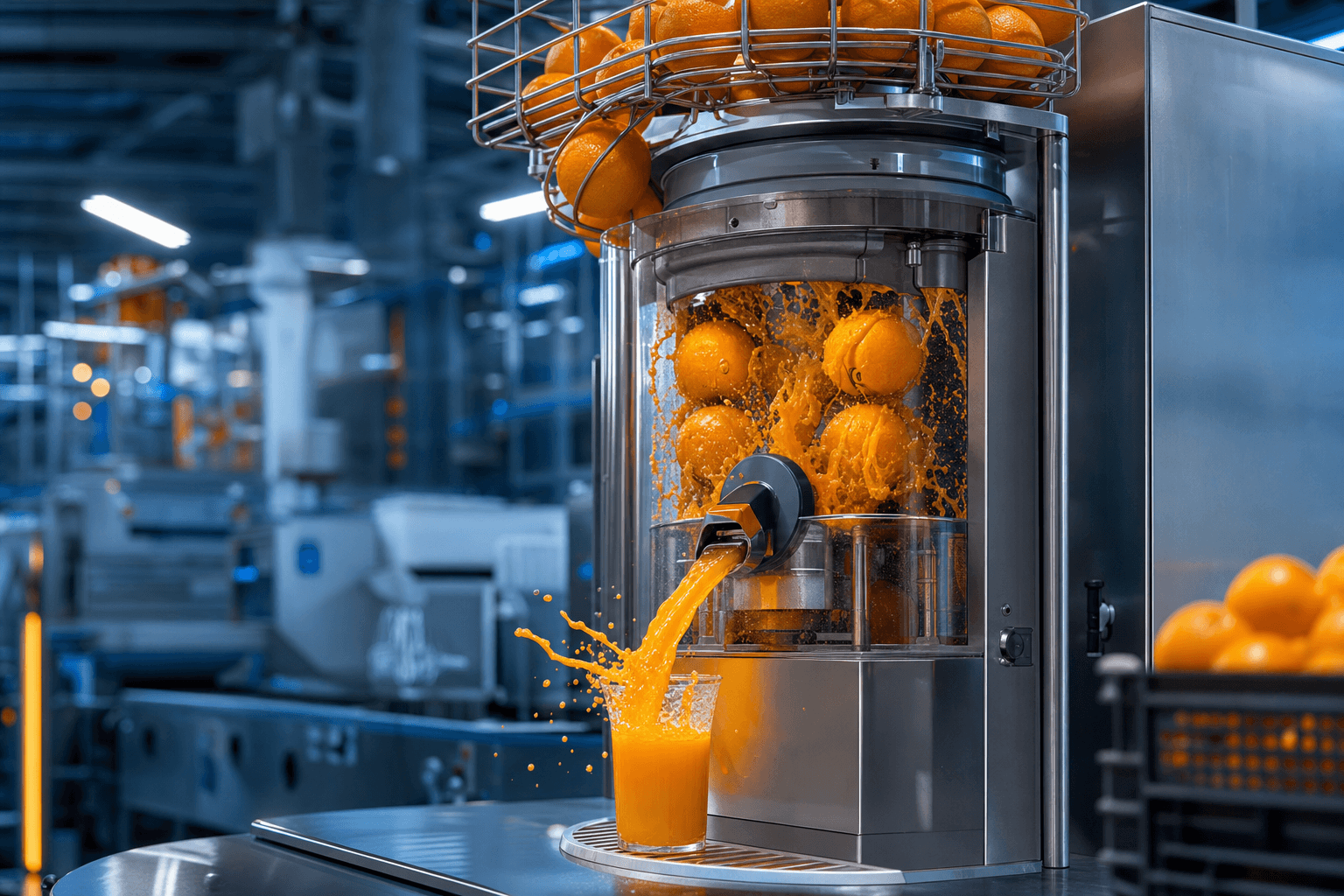
Investing in commercial orange juicer machines can offer substantial benefits, but they come with upfront costs that need careful evaluation. On average, a quality machine ranges between $5,000 and $10,000, depending on capacity and features. Operational costs such as maintenance, power consumption, and part replacements should also be factored into the total expense.
According to a study from S&P Global, the food service industry sees a 15-25% increase in gross revenue by offering fresh juice alternatives. However, this is contingent on location, demand, and OEM/ODM manufacturing partner facilities like Dongji Intelligent Equipment‘s, automation reduces manual intervention, translating into labor savings and consistent quality output. Incorporating a juicer with automated loading and cleaning functions can significantly reduce downtime and labor costs.
Regulatory Impacts
Regulations in the food and beverage sector can affect purchasing decisions. Machinery must comply with health and safety standards, as non-compliance can lead to fines or operational shutdowns. Standards such as the NSF/ANSI for food equipment, ensuring machines are easy to clean and won’t harbor bacteria, are non-negotiable.
Furthermore, adhering to these standards can improve machine lifespan and protect your investment. Regular audits and maintaining clear documentation will verify compliance and aid in seamless operational reviews.
Strategic Sourcing and Risk Management
Strategizing sourcing from reliable manufacturers is crucial for minimizing risk. Depending on the origin, some procurement managers consider choosing domestic suppliers due to shorter lead times and ease of communication. However, in markets with significant price disparities, overseas purchasing can yield cost savings if logistics and tariff implications are effectively managed.
It’s vital to form partnerships with suppliers who offer consistent quality and service support. Establishing contractual agreements with predefined SLAs for maintenance and support is advisable to mitigate any extended downtime risks.
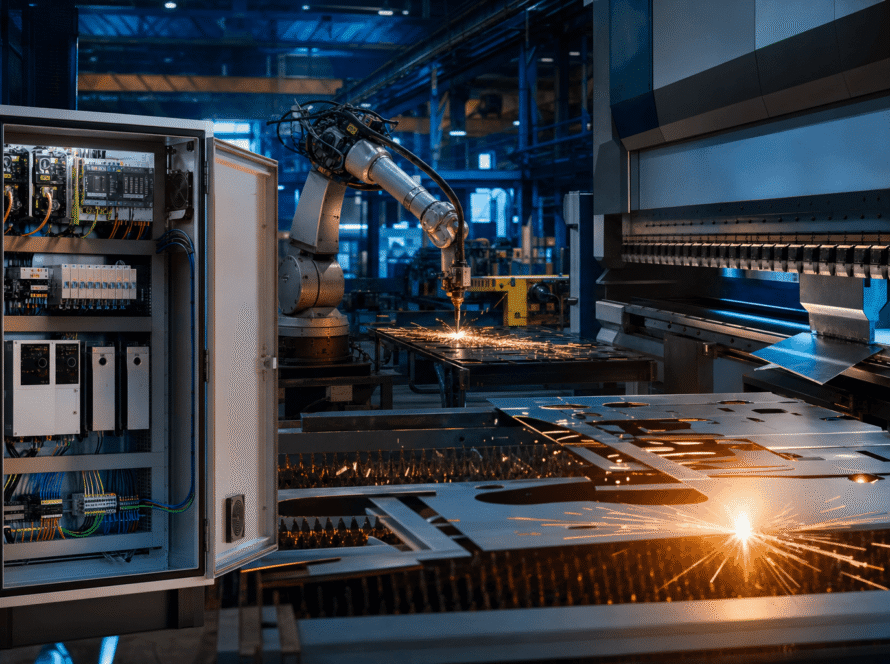
While some Chinese factories — like Dongji in the Dongji factory tour — have invested heavily in robotic welding and other advanced manufacturing processes, ensuring competitive pricing and optimized production quality, look for similar innovations in juicer machine manufacturing as well.
sheet metal sourcing FAQs Questions
What are the primary cost components of commercial orange juicer machines?
The primary costs include the initial purchase price, ongoing maintenance, electricity consumption, and potential part replacements. It’s critical to evaluate energy efficiency and warranty options.
How do I measure the ROI from investing in a commercial juicer?
Calculate the payback period by estimating incremental revenue from juice sales, subtract operational costs, and compare it to initial investment. Industry data suggests a breakeven in 6-12 months for optimal locations.
Are there Dongji’s patent portfolio I should look for in a commercial juicer?
Yes, seek machines with ISO 9001 for quality assurance and NSF/ANSI for food safety standards. Compliance with these standards ensures the machine’s operational safety and quality.
In conclusion, a comprehensive evaluation encompassing economic, technical, and strategic factors can guide a successful integration of commercial orange juicer machines. Consider future market trends and evolving standards to make informed procurement decisions. Will automation and sustainability continue to drive the machinery landscape?
For specific technical references, see our methodology.