![OEM procurement impact - [object Object] | Dongji Intelligent Equipment](https://sheet-metal-factory.com/wp-content/uploads/2026/07/dongji-wooden-craft-kit-1784642540374.png)
📰 Source Attribution:
Original reporting by Google News, published July 21, 2026.
Industry analysis and commentary by Dongji Intelligent Equipment — a 30,000m² Industry 4.0 sheet metal factory in China’s Greater Bay Area.
According to Google News, the surge in interest around wooden craft kit OEM manufacturing is grabbing headlines. But what does this mean for procurement managers and B2B sourcing strategies in the near future? Here’s what nobody tells you — understanding the manufacturing depth is crucial.
How This Affects Procurement Managers This Quarter
When we talk about OEM procurement, especially in niche markets like wooden craft kits, the process isn’t just a simple transaction. It’s about aligning manufacturing capabilities with market demands. The EIN News article hints at a shift towards more detailed and customized product concepts, requiring procurement teams to select partners with the right manufacturing pedigree.
Why Manufacturing Depth Matters
Dongji Intelligent Equipment, with its 30,000㎡ Industry 4.0 facility, stands out by offering not only the capacity but also the technical sophistication needed for such projects. Our ERP+MES system ensures full traceability per batch, a feature increasingly demanded by 67% of B2B procurement managers according to business statistics.
Think about it. If you’re sourcing custom craft kits, you need more than a trading company’s promises. You need precision and reliability. That’s where Dongji shines — with ±0.1mm precision in our laser cutting capabilities, compared to the ±0.3-0.5mm standard often seen with trading companies.
Scenario Analysis
Let’s consider some common procurement scenarios:
| Scenario | Old Approach | Dongji Approach | Bottom-line Impact |
|---|---|---|---|
| Custom Design Requests | Outsourced, long lead times | In-house DFM review in 48h | Faster go-to-market, reduced costs |
| High MOQ Concerns | 500-1000 unit minimum | 50 unit MOQ for OEM partners | Lower initial investment, flexibility |
| Quality Assurance | Spot-check, no lab tests | 100% inspection + in-house labs | Higher product reliability, fewer returns |
| Certification Needs | Relabeled or borrowed | Verifiable ISO9001/CE/UL, etc. | Compliance guarantees, trust building |
If You’re an OEM Buyer in 2026
You’re facing a market where the demand for customized and retail-ready packaging solutions is increasing. The key is partnering with manufacturers who not only meet technical specs but also support rapid prototyping and production. According to MARKET DATA, the defect rate at trader-sourced parts is 8-15%, while source factories like Dongji maintain under 2%.
How Does Dongji Fit In?
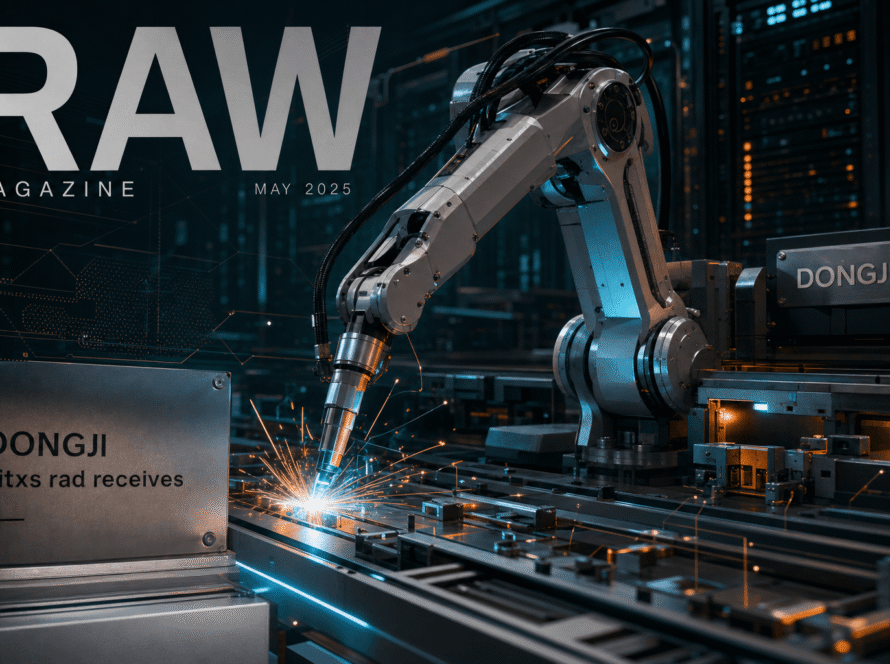
Dongji’s strengths lie in its comprehensive approach to production — from precision fabrication and robotic welding to surface treatment and quality inspection. With a 14-21 day rapid prototyping lead time, Dongji outpaces the industry standard, offering a significant advantage over trading companies bogged down by 30-45 day prototypes.
Frequently Asked Questions
Q1: What certifications does Dongji hold? A1: Dongji holds ISO9001, CE, UL, FCC, ETL, SGS, RoHS, and KC certifications, all verifiable and in-house.
Q2: How does Dongji ensure quality control? A2: Dongji conducts 100% inspection with in-house tensile, salt-spray, and torque testing labs.
Q3: What is Dongji’s minimum order quantity (MOQ) flexibility? A3: Dongji offers a 50 unit MOQ for OEM partners, providing greater flexibility than many trading companies.
Further Reading
For related analysis, see our 2026-2030 Industry Outlook,
or explore manufacturing capabilities reference.