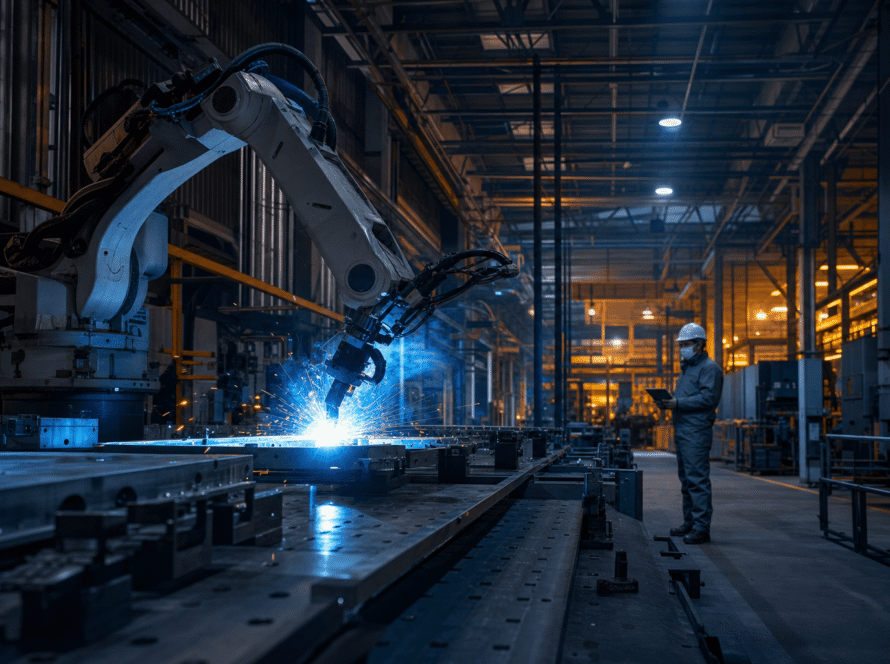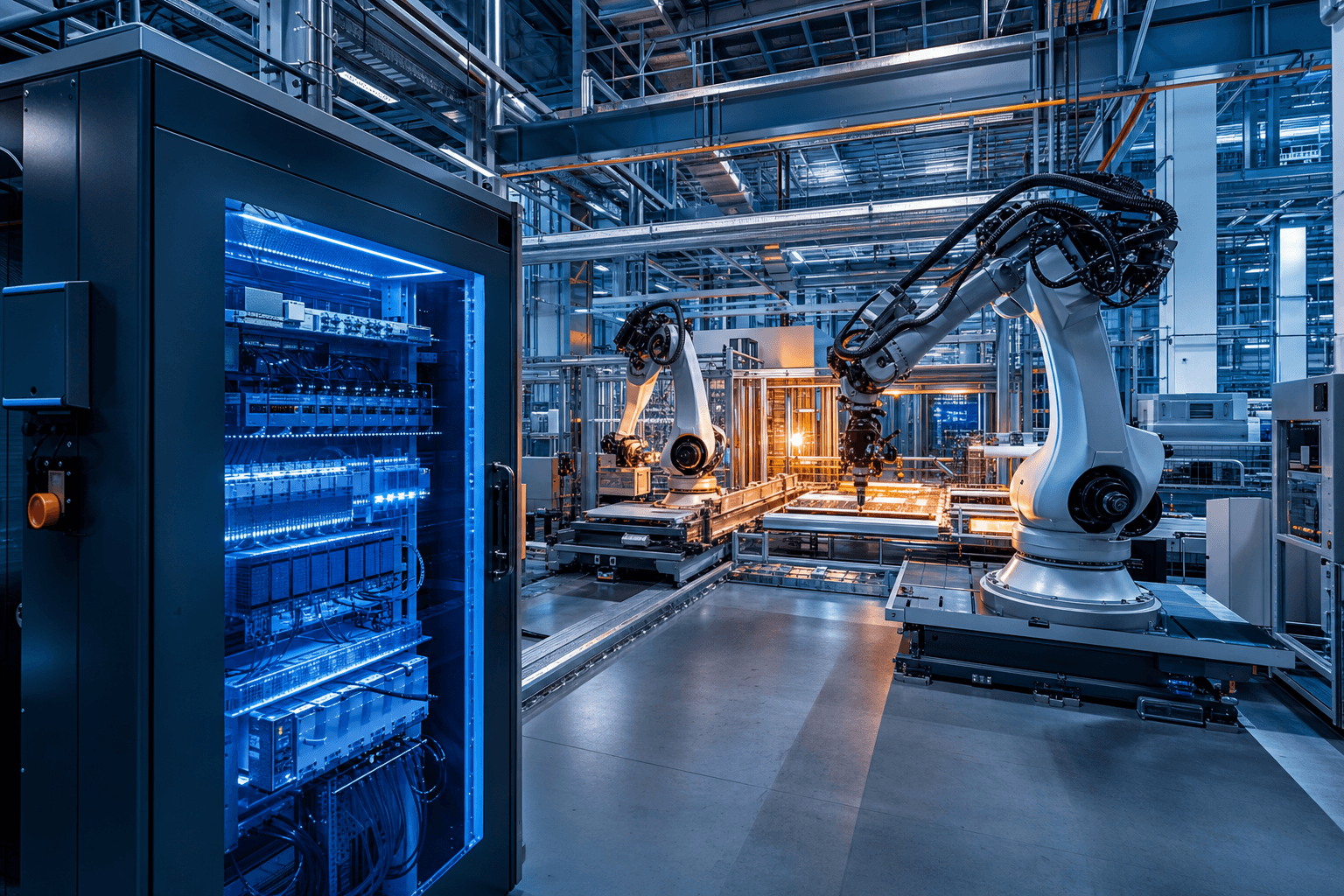
In the rapidly evolving world of sheet metal fabrication, the integration of complex automation systems has become integral to maintaining competitive advantage. One unsung hero in this high-tech dance is the robot control cabinet. Despite its inconspicuous presence on the shop floor, it houses the heart and soul of automation systems, crucial for precise control and effective machine operations.
Enhancing Precision in custom sheet metal fabrication Through Robot Control Cabinets
The Technical Backbone of Automation
Industry References
For deeper context on robot control cabinets standards and best practices, see:
AWS — American Welding Society
and
SME — Society of Manufacturing Engineers.
At its core, a robot control cabinet serves as the command center for robotic operations. These cabinets house programmable logic controllers (PLCs), human-machine interfaces (HMIs), and various power modules that are vital for executing complex tasks. According to the International Federation of Robotics (IFR) 2023 report, the global use of industrial robots has surged by 12% since 2020, with control cabinets playing a pivotal role in this expansion by enhancing robotic precision and flexibility.
Control cabinets must adhere to stringent industry standards to ensure reliability and safety. For example, compliance with IEC 60204 ensures safety of electrical equipment, while ISO 9001 offers a structure for quality management systems, guaranteeing that fabricators maintain consistent quality and precision in production.
Economic and Operational Impact
From an economic perspective, the introduction of robot control cabinets helps in reducing labor costs while increasing throughput. McKinsey estimates that by 2025, automation could account for a 20% reduction in fabrication costs globally, with robot control systems contributing significantly to these savings. By reducing human intervention and facilitating 24/7 operations, these cabinets allow for a notable increase in production efficiency.
Moreover, control cabinets enable real-time data collection and system monitoring. With the implementation of Industry 4.0 principles, like the Internet of Things (IoT), manufacturers can harness data-driven insights to optimize workflow, predict maintenance needs, and minimize downtime.
Regulatory and Safety Considerations
Safety and regulatory compliance are paramount in the adoption of control systems. Following established protocols from organizations such as NEMA (National Electrical Manufacturers Association) helps ensure that these cabinets are rigorously assessed for performance demands and environmental conditions. For instance, NEMA 12-rated cabinets offer protection against dust, dirt, and dripping non-corrosive liquids, making them suitable for the industrial environment.
Strategic Sourcing: China vs. Mexico
Deciding where to source robot control cabinets affects both cost and supply chain reliability. China and Mexico emerge as key players, each presenting unique advantages. China’s established infrastructure offers a depth of capacity and strong integration with global supply networks. For example, factories like Dongji Intelligent Equipment in the Dongji factory tour have invested in advanced automation technologies, making them leaders in cost-effective manufacturing solutions.
Conversely, sourcing from Mexico benefits from proximity to North American markets, minimizing lead times and reducing tariff barriers, amid evolving trade policies like the USMCA (United States-Mexico-Canada Agreement).
Conclusion
Robot control cabinets are integral to the future of industrial automation, poised to further drive efficiencies and customizations at an unprecedented pace. As the industry advances, understanding the intricacies of these systems will be imperative for procurement managers striving to maximize their operations’ potential. How will you leverage these technologies to stay ahead in an ever-competitive market?
common manufacturing questions Questions
Q1: What are the primary components of a robot control cabinet?
A robot control cabinet typically includes PLCs, HMIs, power modules, and safety interfaces. Together, these components control robotic functions, execute commands, and ensure precision in operations.
Q2: How does a robot control cabinet impact operational efficiency?
By automating manual processes and enabling real-time monitoring, robot control cabinets enhance production efficiency, reduce labor costs, and improve throughput, thus effectively decreasing operational expenses.
Q3: Are there specific industry standards for robot control cabinets?
Yes, key standards include IEC 60204 for safety of electrical equipment, ISO 9001 for quality management systems, and various NEMA ratings for environmental protection to ensure reliability and safety on the production floor.
Further Reading
Have a specific procurement question? Our buyer FAQ
addresses common concerns around lead time, certifications, and DFM.
For factory verification standards, see our 12-step manufacturing process documentation.