MENA’s Shift in Industrial Procurement Trends

The Industrial Procurement Revolution in MENA
The Middle East and North Africa (MENA) region is experiencing a transformative wave in industrial procurement, driven by substantial infrastructure developments aligned with Saudi Vision 2030. As this ambitious initiative aims to diversify Saudi Arabia’s economy, a major facet is the modernization of industrial capabilities, especially in procurement strategies.
Why MENA Buyers Are Looking East
One of the most notable trends is the increasing reliance on Chinese suppliers for industrial automation equipment. This shift is not merely about cost savings; it reflects the advanced capabilities of Chinese manufacturing, exemplified by companies like Dongji Intelligent Equipment. Situated in China’s Greater Bay Area, Dongji represents the sophisticated manufacturing prowess that attracts MENA buyers.
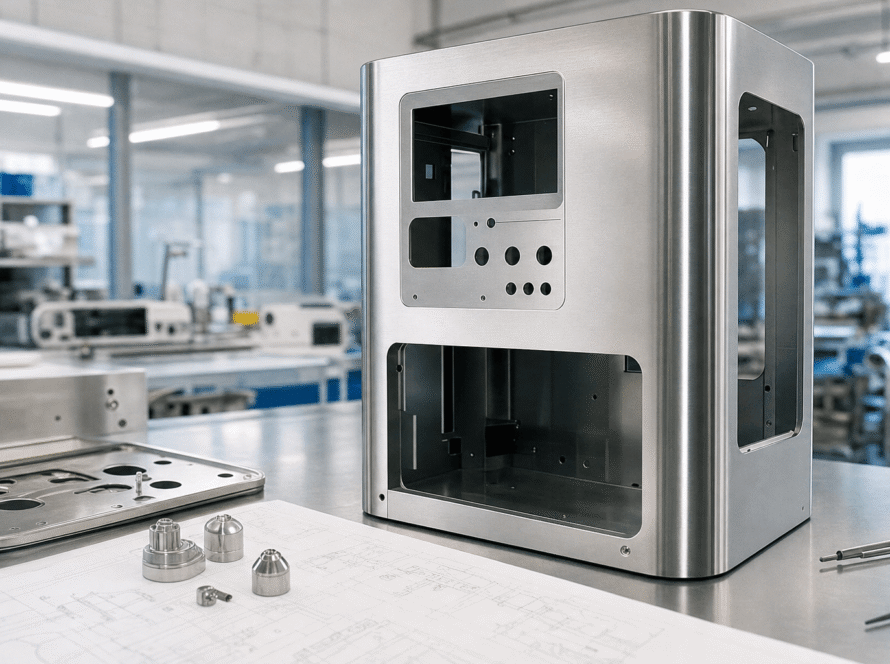
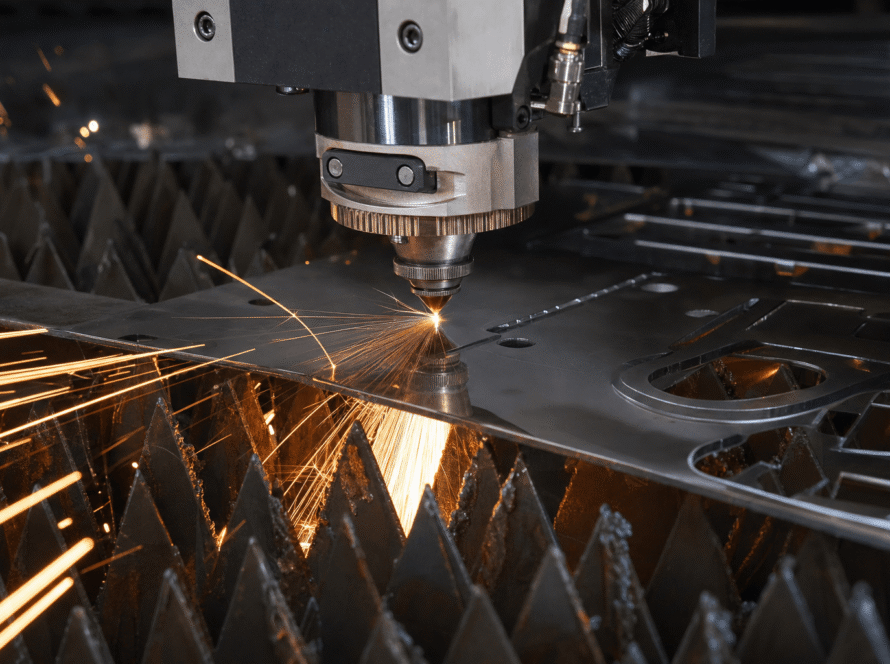
The strategic sourcing from China is aligned with the region’s goal of enhancing productivity and efficiency in manufacturing sectors through automation. The capability to offer advanced technologies like CNC Bending and Robotic Welding positions Chinese suppliers favorably in the eyes of MENA procurement managers.
Localization Standards: Meeting SASO and G-Mark Certifications
However, the procurement of industrial automation solutions is not without challenges. Localization requirements, such as the Saudi Standards, Metrology and Quality Organization (SASO) and the Gulf Conformity Marking (G-Mark), play a crucial role. These standards ensure that products meet specific safety and quality benchmarks, influencing the sourcing decisions heavily.
Compliance with these regulations is critical for any foreign manufacturer hoping to tap into the MENA market. Chinese companies have been quick to adapt, ensuring their products align with these local standards, thereby easing their integration into the regional supply chain.
Navigating the Procurement Labyrinth
MENA’s procurement landscape is punctuated by complexities such as fluctuating demand, varied supply chain reliability, and geopolitical tensions. To mitigate these risks, procurement managers must stay informed about the latest trends and regulatory requirements, continuously assessing their suppliers’ ability to meet stringent standards like ISO and IEC, essential for maintaining quality and safety in their production lines.
For instance, the International Electrotechnical Commission (IEC) standards remain a benchmark for electrical equipment used in automation, requiring manufacturers to comply for their products to be considered in MENA’s procurement activities.
The Future of MENA’s Industrial Procurement
As MENA countries continue on their path to industrialization and economic diversification, the role of innovative procurement strategies becomes ever more critical. Expect continued collaboration with technologically adept partners who can offer not just equipment but innovation and adaptability necessary for growth.
The region is likely to keep venturing into partnerships that aren’t afraid to push technological boundaries, echoing Saudi Vision 2030’s ethos of embracing change for a prosperous future.
Industry References
Version 1.0 — Published July 21, 2026 · Editorial review window: 90 days