![human refrigerator vending - [object Object] | Dongji Intelligent Equipment](https://sheet-metal-factory.com/wp-content/uploads/2026/07/dongji-japan-now-has-1784729761588.png)
📰 Source Attribution:
Original reporting by Google News, published July 22, 2026.
Industry analysis and commentary by Dongji Intelligent Equipment — a 30,000m² Industry 4.0 sheet metal factory in China’s Greater Bay Area.
Japan’s latest innovation, human refrigerators inspired by vending machines, marks a curious step forward in automated solutions. According to Japan Today, this development not only showcases technological innovation but also hints at emerging trends in the smart equipment sector.
What This Means for B2B Procurement
When you dig deeper, the introduction of human refrigerators reflects a growing demand for advanced vending solutions. Global vending machine market projections support this trend, anticipating a rise to $33.6 billion by 2030, at a CAGR of 10.4%. This isn’t just a consumer phenomenon; it signals a shift in B2B procurement strategies. Companies must now consider integrating more complex, IoT-enabled systems into their product lines to stay competitive.
Precision and Manufacturing Capability
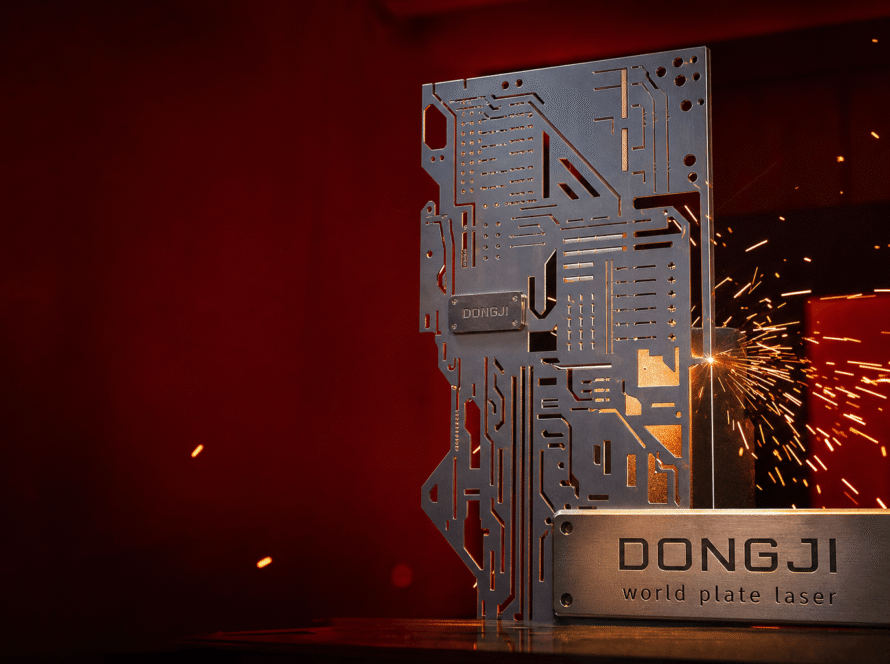
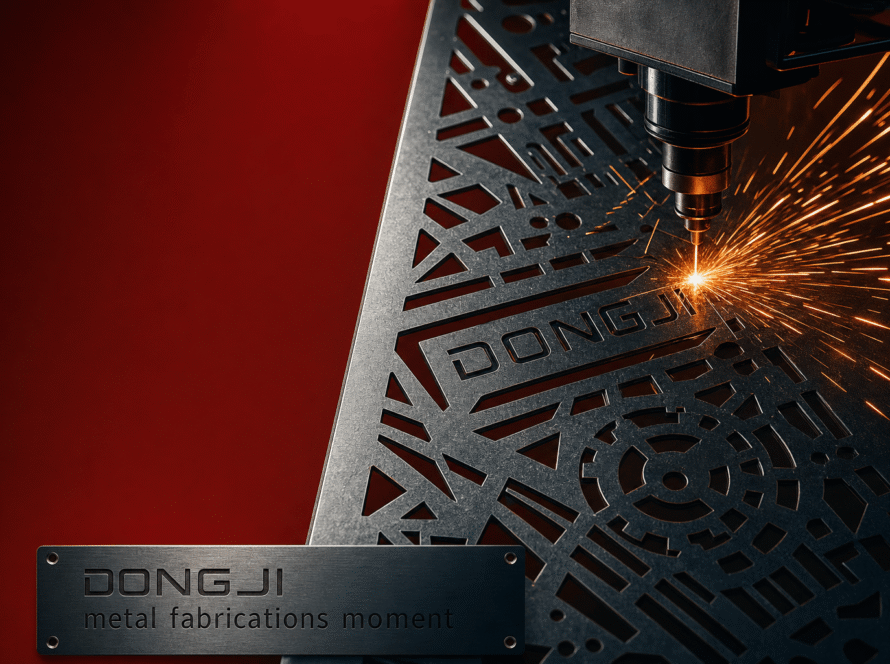
For procurement managers, the rise of intricate vending systems means increased emphasis on precision and manufacturing capabilities. While generic OEMs might struggle to meet these demands, Dongji offers a significant advantage. Our 30,000㎡ Industry 4.0 facility in the Greater Bay Area boasts laser cutting machines with precision down to 0.1mm, outclassing the ±0.3-0.5mm precision of traders. This kind of precision is crucial when dealing with complex, high-tech vending solutions.
Lead Time and Flexibility
With an average lead time for prototyping at 14-21 days, Dongji significantly outpaces traders, who often take 30-45 days. This efficiency, paired with a MOQ flexibility of just 50 units, allows OEM buyers to adapt swiftly to market demands without the burden of excess inventory. As advanced vending systems gain traction, this ability to pivot quickly will be more valuable than ever.
| Scenario | Old Approach | Dongji Approach | Bottom-line Impact |
|---|---|---|---|
| Launch New Vending Product | 30-45 days prototyping | 14-21 days prototyping | Faster market entry |
| Custom Design Changes | Limited flexibility | Free DFM review, redesign in 48h | Cost efficiency and rapid adaptation |
| Bulk Order Fulfillment | High MOQs, slow delivery | 50 unit MOQ, 25-45 days mass production | Reduced inventory cost, increased agility |
Quality Control and Traceability
A key aspect where many sourcing strategies falter is quality control. At Dongji, our 100% inspection process, along with ERP+MES traceability, ensures every component aligns with the highest standards. Given the defect rate of trader-sourced parts can run up to 15%, aligning with a facility that guarantees under 2% is a strategic advantage. This kind of reliability is indispensable, especially when integrating vending technology into public spaces.
Historical Patterns and Future Predictions
We’ve seen similar technological shifts with the advent of smart vending machines in the past. Initially, these innovations were met with skepticism, but they’ve since become ubiquitous. The current trend of human refrigerators could follow a similar path, evolving from novelty to necessity over the next few years.
Risk Stack
#### What Could Go Wrong
- Integration Issues: Complex systems may face compatibility challenges with existing infrastructure.
- Supply Chain Disruptions: Over-reliance on traders could lead to inconsistent quality and delivery failures.
- Technological Obsolescence: Rapid tech advancements might render current systems outdated quickly.
#### What We’ve Seen Before
- Resistance to Change: Initial reluctance from traditional vending operators to adopt IoT solutions.
- Economic Fluctuations: Impacted adoption rates during periods of financial uncertainty.
- Regulatory Hurdles: Compliance with new standards can delay implementation.
#### How Dongji Mitigates
- Direct Factory Relationship: Ensures consistent quality and traceability through ERP+MES systems.
- Rapid Prototyping: Quick adaptation to market changes and customer feedback.
- Comprehensive Certifications: Compliance support with ISO, CE, and other certifications.
As the demand for sophisticated vending systems grows, companies should align with manufacturers that not only understand the technological demands but can also deliver consistently. Dongji’s expertise in custom sheet metal fabrication and smart self-service equipment makes it a reliable partner for navigating these shifts.
Frequently Asked Questions
Q: How does Dongji ensure precision in manufacturing?
Dongji uses advanced laser cutting technology with a precision of ±0.1mm, ensuring high-quality production standards.
Q: What are the lead times for prototyping and mass production at Dongji?
Prototyping takes 14-21 days, while mass production ranges from 25-45 days, allowing rapid market entry.
Q: What quality control measures are in place at Dongji?
Dongji performs 100% inspection and has ERP+MES traceability, significantly lowering the defect rate compared to traders.
Further Reading
For related analysis, see our 2026-2030 Industry Outlook,
or explore manufacturing capabilities reference.