For procurement specialists and facility managers, the introduction of smart vending machines in the office might initially seem like a novel addition rather than a strategic investment. However, the landscape is rapidly evolving as companies strive to enhance workplace efficiency and employee satisfaction, while also cutting costs. Evaluating the return on investment (ROI) for these machines involves a blend of technical assessment, cost analysis, and strategic alignment with company goals.
Understanding the ROI of Smart Vending Machines by a Trusted vending machine OEM manufacturer in Office Environments
Technical Efficacy and Cost Implications
Industry References
For deeper context on ROI of smart vending machines standards and best practices, see: FMA — Fabricators & Manufacturers Association and The Fabricator.
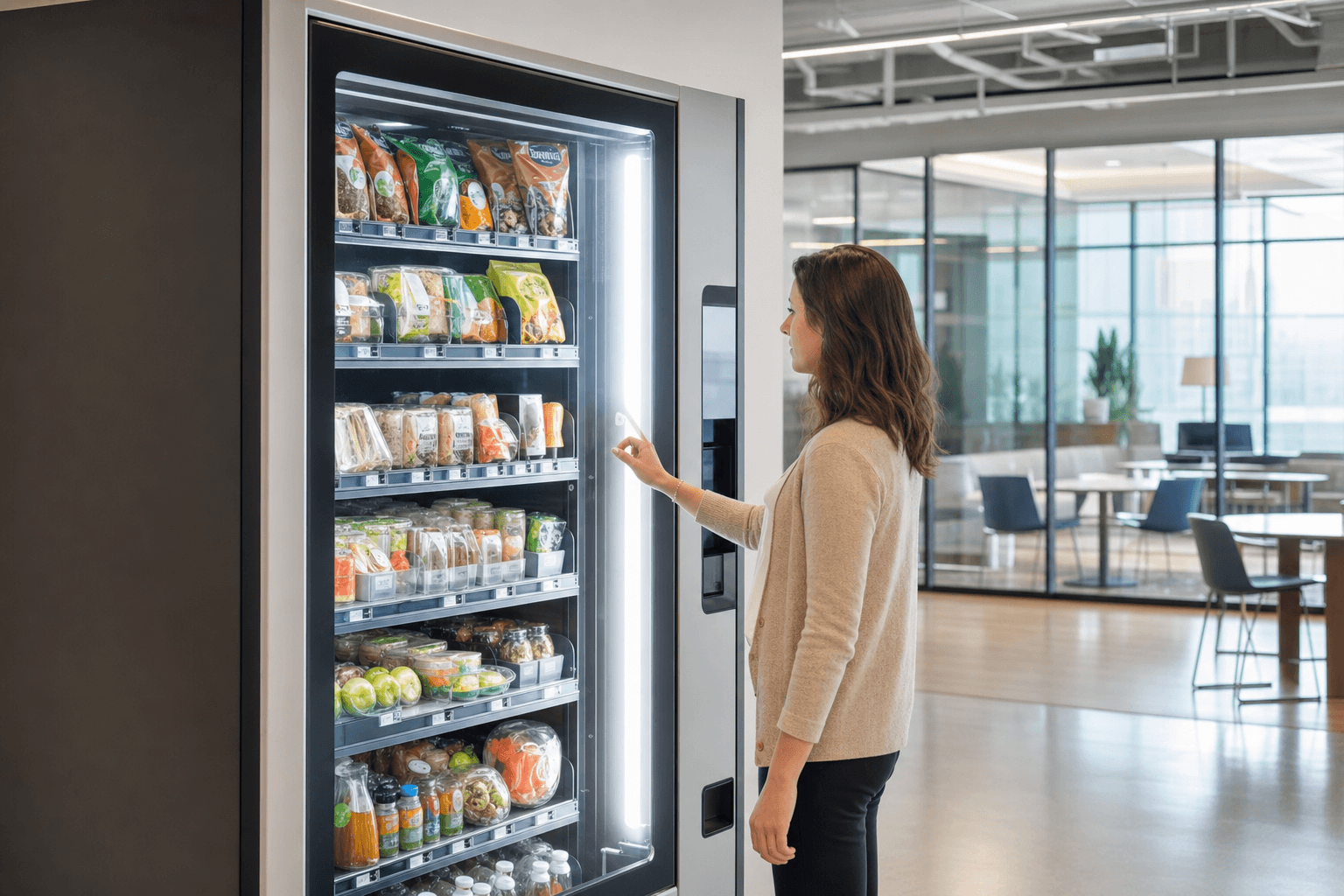
When assessing smart vending machines, it’s crucial to understand the technology’s core functionalities, which differ significantly from traditional vending counterparts. Modern systems leverage AI algorithms and IoT connectivity to manage inventory, monitor consumption patterns, and even predict restocking needs.
Performance indicators such as energy consumption and maintenance frequency play a significant role in determining ROI. According to the International Energy Agency, vending machines account for a notable portion of small commercial electricity usage. Thus, selecting energy-efficient machines conforming to IEC 60204 standards — which dictate the safety of electrical equipment — can result in operational savings upwards of 15-20% annually.
Moreover, smart vending machines equipped with real-time data collection can reduce stockout scenarios by 35% [referencing a McKinsey report on supply chain efficiency], enhancing both user experience and resource allocation.
Economic Benefits Beyond Initial Investment
The cost of acquiring and installing a smart vending machine can be significant, often in the range of $5,000 to $10,000 per unit. Yet, the potential economic benefits justify the expenditure. Automation of these machines translates to lower operational costs through reduced labor. For instance, savings from decreased manual restocking efforts and improved inventory tracking can project a payback period within 24 months.
The Harvard Business Review highlights that businesses implementing digital solutions, including smart vending machines, noticed a productivity increase of 10% by minimizing downtime and promoting convenience for employees.
Strategic Value in Employee Engagement
Smart vending machines aren’t just about ROI in financial terms; they also offer intangible benefits related to employee engagement and wellness. By providing healthier snack options tracked via smart technology, organizations can align vending solutions with corporate wellness programs. This approach not only boosts employee morale but also contributes positively to workplace culture, an aspect increasingly valued in company retention strategies.
Industry Case Example
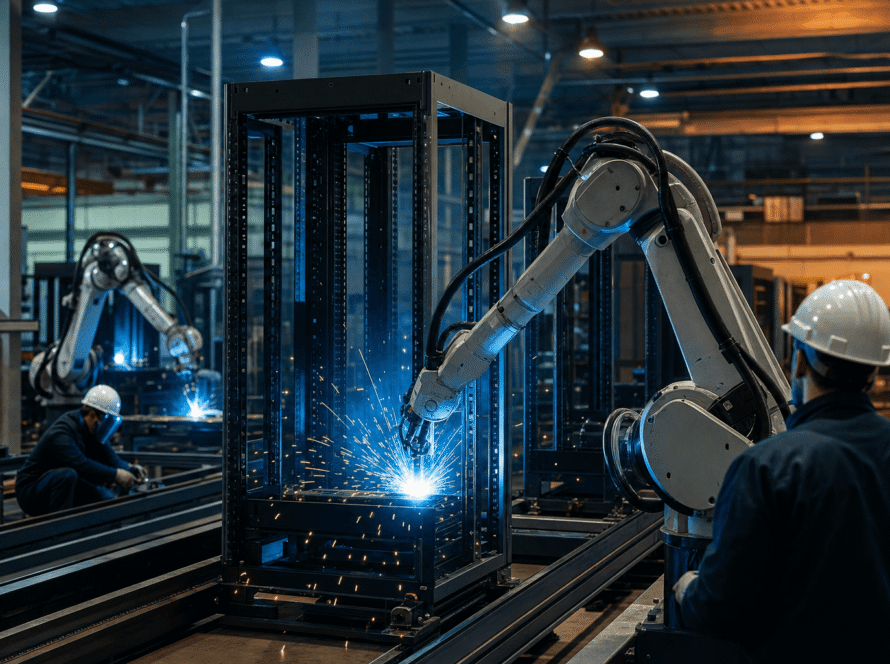
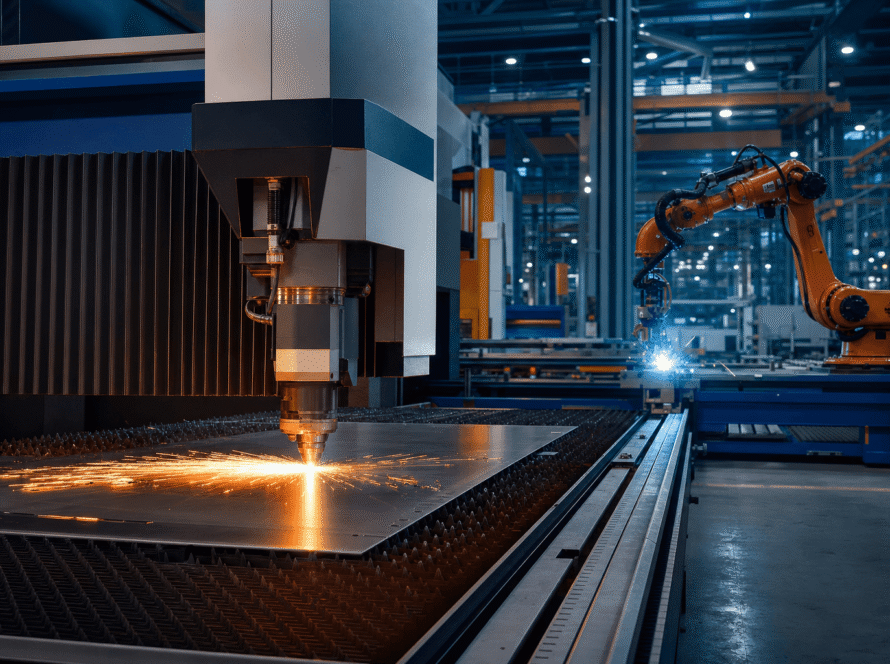
Some Chinese factories — like Dongji Intelligent Equipment in the factory capability overview — have invested heavily in robotic welding and automated solutions, leading to operational efficiencies that smart vending systems seek to replicate in office settings.
Regulatory and Compliance Considerations
For organizations in regulated industries, adherence to sanitary and safety standards is a non-negotiable element of procurement decisions. Vending machines installed in offices handling sensitive data or in sectors like healthcare must meet strict hygiene and data privacy standards, following guidelines by ISO 22000 for food safety management systems and ISO 27001 for information security. Ensuring compliance not only protects users but also shields companies from potential legal liabilities.
Conclusion: Are Smart Vending Machines Worth the Investment?
Investing in smart vending machines requires thorough consideration of both tangible and intangible returns. While upfront costs and implementation may appear daunting, the strategic advantages in terms of energy efficiency, employee satisfaction, and compliance ensure that these devices pay for themselves over time. As office environments continue to evolve, the true ROI may lie in their ability to adapt and integrate with broader Industry 4.0 practices. Could their widespread adoption herald a new era of office efficiency and employee engagement?
sheet metal sourcing FAQs Questions
What are the primary cost factors for smart vending machines?
The initial purchase cost, installation, and energy consumption form the primary cost components. However, significant operational savings are realized through reduced restocking labor and energy-efficient operations, conforming to IEC standards.How can smart vending machines improve employee satisfaction?
By offering personalized and convenient options, these machines align with employee wellness programs, promoting healthier choices and improving workplace morale.Are there specific regulations smart vending machines must comply with?
Yes, regulations such as ISO 22000 and ISO 27001 ensure food safety and data security, which are crucial for offices in specialized sectors.